origin of the adverb ‘cap-a-pie’ (from head to foot)
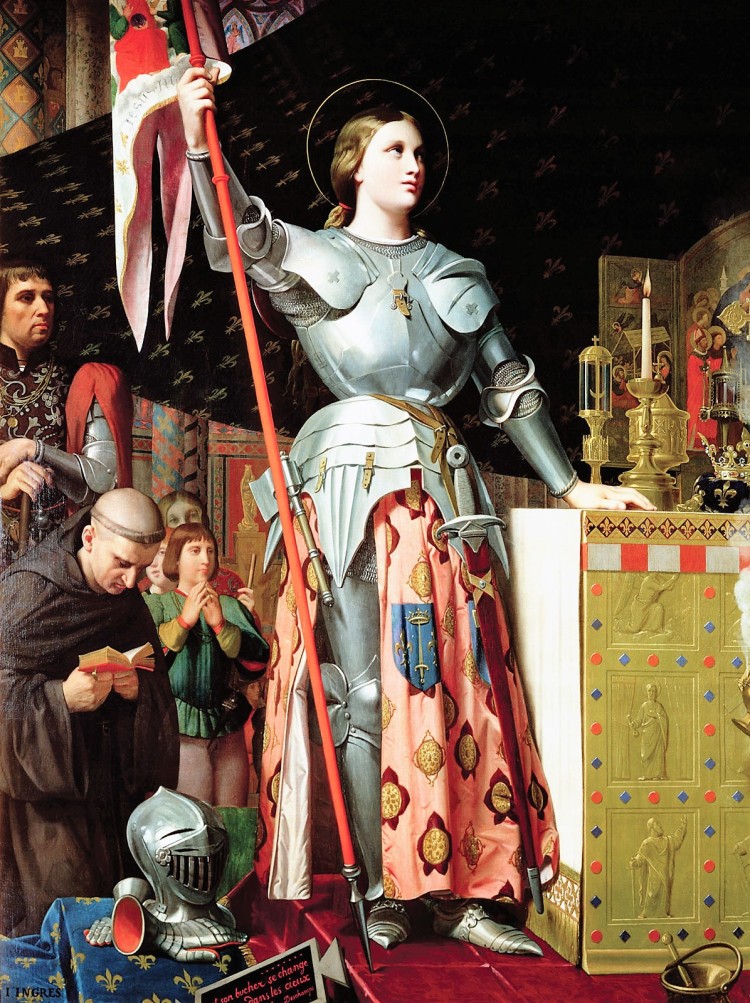
English ‘cap-a-pie’ is from ‘de cap à pied’, ‘from head to foot’, used in Occitan and in the Middle French of southern France.
Read More
“ad fontes!”
English ‘cap-a-pie’ is from ‘de cap à pied’, ‘from head to foot’, used in Occitan and in the Middle French of southern France.
Read More
Before being a science-fiction term used by aliens to refer to an inhabitant of the earth, ‘earthling’ denoted an inhabitant of the earth as opposed to heaven.
Read More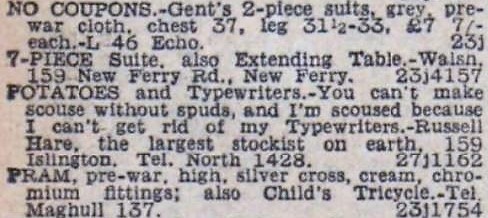
The original sense of ‘Scouse’, denoting a person from Liverpool, is ‘a stew’. The word ‘scouse’ is in turn a shortening of ‘lobscouse’, of obscure origin.
Read More
‘Over the top’, which means ‘excessive’, originated as a WWI expression meaning ‘over the parapet of a trench and into battle’.
Read More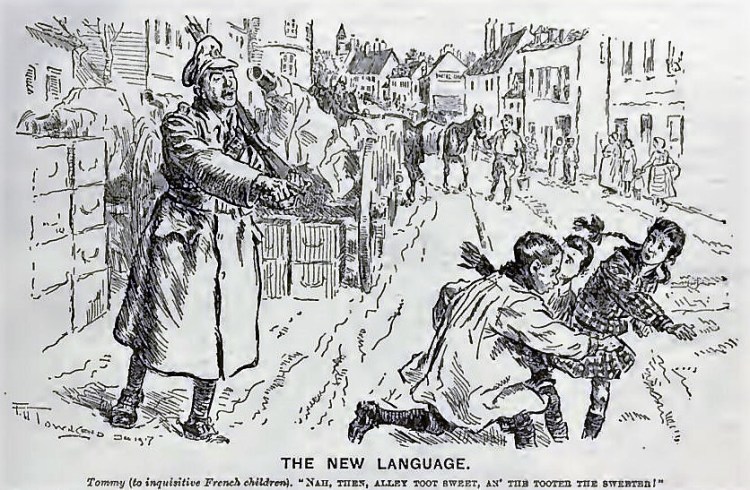
The adverb toot sweet means straight away, immediately. Humorously after the English words toot and sweet, it represents an anglicised pronunciation of the synonymous French adverb tout de suite. Before the First World War, it was only used in representations of French speech. For example, an article titled Galloglossia, published in Sharpe’s London Magazine […]
Read More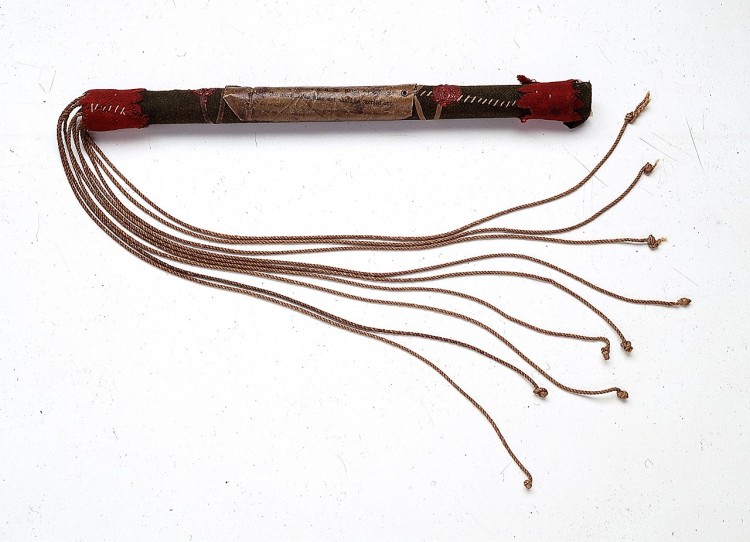
cat-o’-nine-tails (1866-79) – photograph: National Maritime Museum The noun cat-o’-nine-tails denotes a rope whip with nine knotted cords, formerly used, especially at sea, to flog offenders. This instrument of punishment was authorised in the British navy and army until 1881—cf. also to run the gauntlet. The word is first recorded in Love for […]
Read More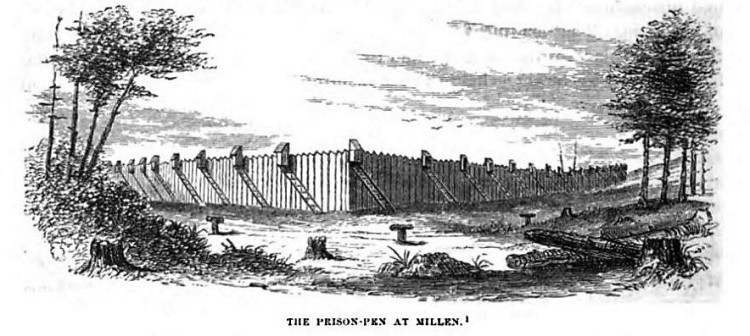
the prison-pen at Millen This pen was built of large logs driven in the ground, with sentry posts on the top, at short intervals. No shelter whatsoever was afforded the prisoners, and they were compelled to burrow in the earth, to avoid the scorching sun or the biting frost, for their captors robbed them […]
Read More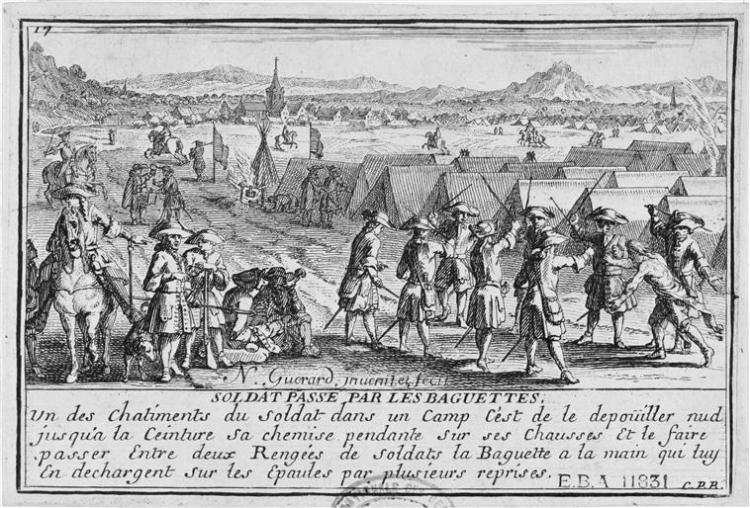
SOLDAT PASSE PAR LES BAGUETTES. Un des chatiments du soldat dans un camp c’est de le depouiller nud jusqu’a la ceinture sa chemise pendante sur ses chausses et le faire passer entre deux Rengées […]
Read Moreadvertisement for Blotto brothers’ triporteurs Le Jardin des Modes nouvelles – 15th October 1913 The adjective blotto, which means drunk [however, cf. note 1], originated in British military slang during the First World War. It is first recorded in this sense in the chapter Slang in a War Hospital of Observations of an Orderly: […]
Read More
It has often been said that the noun banger appeared as British slang for sausage in the World War One trenches (cf. also Zeppelin). But, in fact, it was in use in the British Navy before the outbreak of the war. On 27th July 1904, The Tatler (London) published The real letters of […]
Read More
