some British uses of ‘the enemy within’

a threat within a community, nation, etc., as distinct from an external enemy—infamously used of British miners’ leaders by Prime Minister Margaret Thatcher in 1984
Read More
“ad fontes!”
a threat within a community, nation, etc., as distinct from an external enemy—infamously used of British miners’ leaders by Prime Minister Margaret Thatcher in 1984
Read More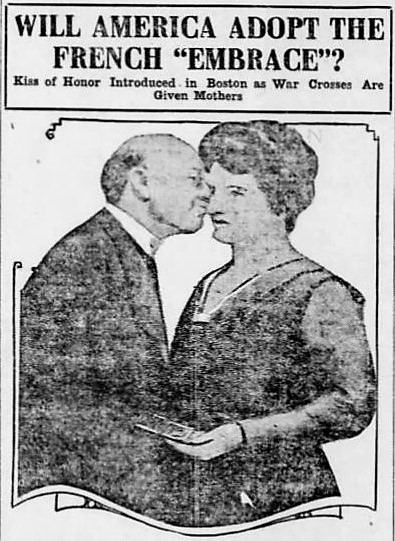
‘French kiss’—19th century: a kiss on both cheeks—early 20th century (USA): a kiss with contact between tongues
Read More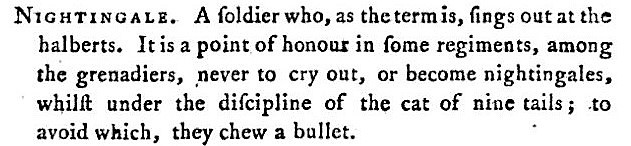
late 19th century—from the practice consisting, for a soldier, in biting on a bullet when being flogged
Read MoreIn French medieval chansons de geste ‘castles in Spain’ denoted fiefs that had to be conquered from the Saracens by the knights to whom they had been granted.
Read More
Red herring, used in laying trails for hounds to follow, was misunderstood as a deliberate attempt to distract them, hence the figurative use of ‘red herring’.
Read MoreFrom the practice of using hay-baling wire for makeshift repairs, ‘haywire’ came to mean crudely made, improvised, hence disorganised, erratic, crazy.
Read More‘The straight and narrow’: allusion to the Sermon on the Mount. ‘Straight’ is an alteration of ‘strait’, meaning ‘so narrow as to make transit difficult’.
Read More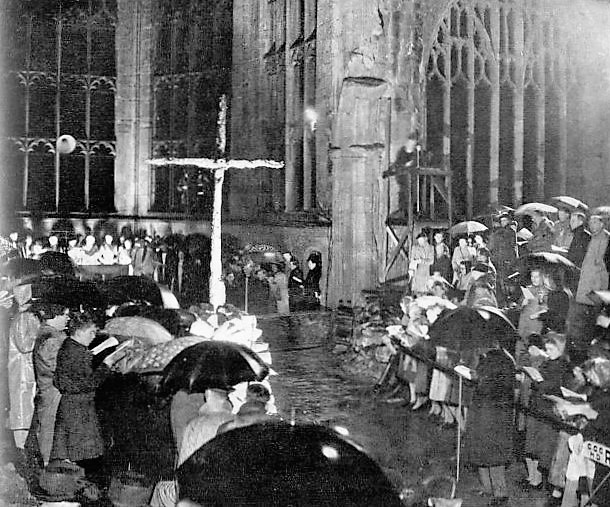
probable origin: in 1642, during the English Civil War, Royalists had been captured at Birmingham and sent to Coventry, which was a Parliamentarian stronghold.
Read More
‘Gorgeous Wrecks’ (UK, WWI): members of the Volunteer Training Corps, from the letters ‘G.R.’ (‘Government Recognition’) interpreted as meaning ‘Georgius Rex’
Read More
The current sense of ‘jingo’ originated in a 1877 patriotic song adopted by the bellicose factions within the Conservative Party during the Russo-Turkish war.
Read More
