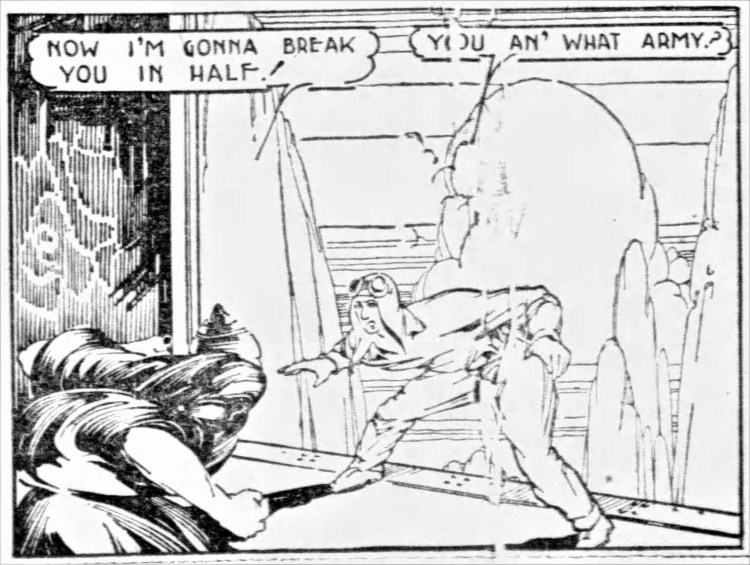
denotes extreme quickness of movement—the use of ‘greased’ likens lightning to a machine that a mechanic has lubricated in order to minimise the friction and make it run easily
UK—‘a legend in your lifetime’ (1913): allegedly said by Benjamin Jowett to Florence Nightingale—‘a legend in his own lunchtime’ (1969): first recorded in a theatrical review by John Cunningham
USA, 1920—‘(as) American as apple pie’: typically American in character—‘apple pie’ being here a symbol of American motherhood and traditional family values
UK, 1857—characterised by savage violence or merciless competition—from Alfred Tennyson’s poem ‘In Memoriam’ (1850), in which ‘red in tooth and claw’ refers to Nature’s brutality
originally: a child wearing the house key tied around their neck and staying in the streets while their mother is at work—USA, 1935: a poor Afro-American woman’s child—USA & UK, WWII: a child whose mother was engaged in war industry
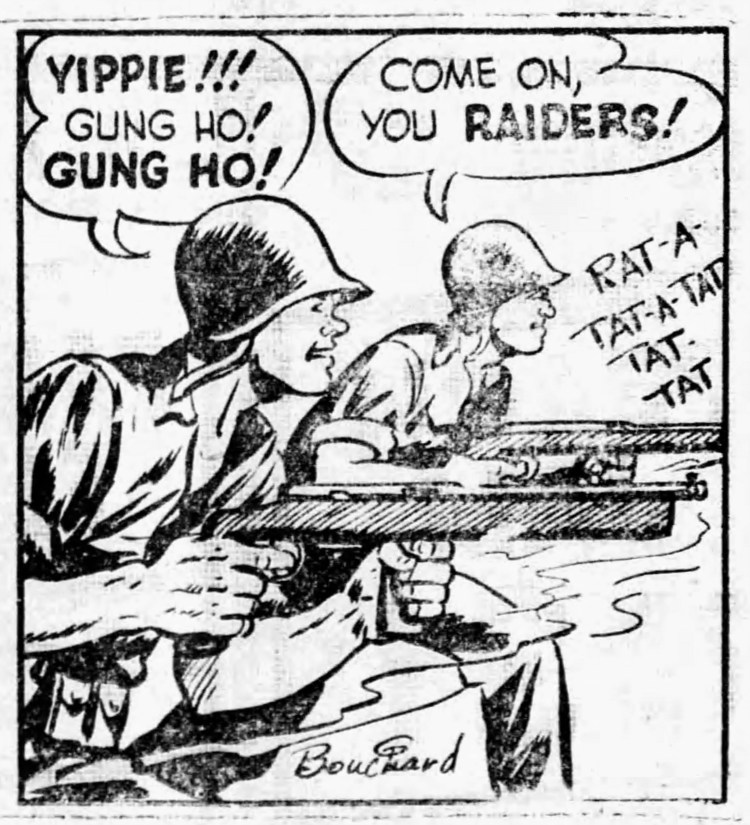
from Chinese ‘gōnghé’, short for ‘Zhōngguó Gōngyè Hézuò Shè’ (Chinese Industrial Cooperative Society)—interpreted as a slogan meaning ‘work together’ (USA, 1941)—adopted by Evans F. Carlson, commander of the 2nd Marine Raider Battalion (1942)
UK, 1945—‘demob happy’: feeling elated in anticipation of demobilisation from the armed forces—hence: in anticipation of the end of a job, assignment, etc.—in extended use: in anticipation of the end of any onerous or unpleasant period