meaning and origin of the phrase ‘to keep an ear to the ground’
USA, 1815—from the practice of putting one’s ear to the ground in order to detect the vibration of sounds in the distance before they can actually be heard
Read More
“ad fontes!”
USA, 1815—from the practice of putting one’s ear to the ground in order to detect the vibration of sounds in the distance before they can actually be heard
Read MoreBritish Army slang, 1945—the image is of something dropping with a clang, i.e. with a loud resonant ringing sound.
Read Moreto avoid work, to shirk one’s duty—originated in military slang during the First World War, the word ‘column’ denoting a formation of marching soldiers
Read Moredenotes extreme quickness of movement—the use of ‘greased’ likens lightning to a machine that a mechanic has lubricated in order to minimise the friction and make it run easily
Read MoreUK—‘a legend in your lifetime’ (1913): allegedly said by Benjamin Jowett to Florence Nightingale—‘a legend in his own lunchtime’ (1969): first recorded in a theatrical review by John Cunningham
Read More18th-century instances of ‘Indian summer’ in addition to the earliest one—including a 1791 figurative use of the term
Read More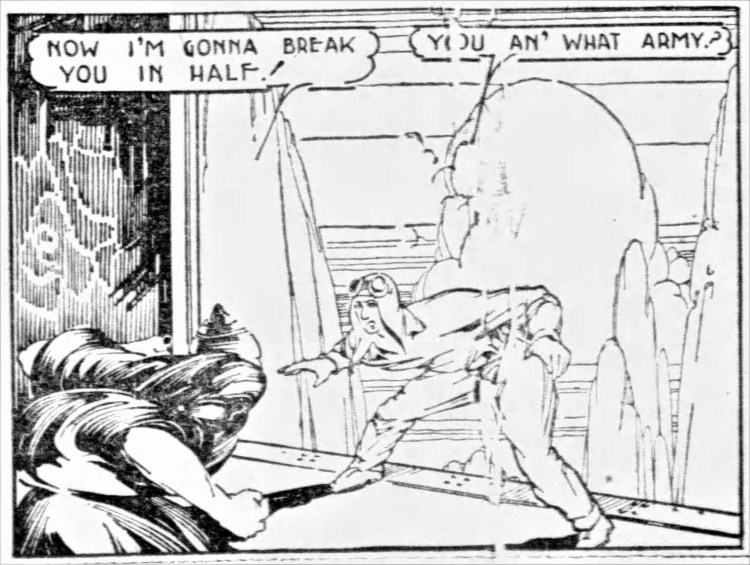
USA, 1929—‘you and whose army?’, or ‘you and what army?’: used to question a person’s ability to carry out a threat or challenge unaided
Read MoreUSA, 1920—‘(as) American as apple pie’: typically American in character—‘apple pie’ being here a symbol of American motherhood and traditional family values
Read MoreUK, 1934—image said to have been first used by Lenin about the Russian soldiers who were abandoning the war during the Russian Revolution of 1917
Read MoreUK, 1857—characterised by savage violence or merciless competition—from Alfred Tennyson’s poem ‘In Memoriam’ (1850), in which ‘red in tooth and claw’ refers to Nature’s brutality
Read More word histories