‘the birds and the bees’: meaning and early occurrences
USA, 1936—the facts about sexual reproduction, especially as explained to a child—when this phrase appeared, ‘birds’ and ‘bees’ had long been commonly paired in literary allusions
Read More
“ad fontes!”
USA, 1936—the facts about sexual reproduction, especially as explained to a child—when this phrase appeared, ‘birds’ and ‘bees’ had long been commonly paired in literary allusions
Read MoreUSA, 1917—a method of treating a drug addict by sudden and complete withdrawal of the drug, instead of by a gradual process—alludes to the goose pimples, resembling the skin of a cold turkey, that a person experiences as a side effect of the treatment
Read More
reluctance to attend school or work, or a reduction in working efficiency, experienced on a Monday morning—UK and USA, 1908; Australia, 1910—the suffix ‘-itis’ is applied to a state of mind or tendency fancifully regarded as a disease
Read Morestate of South Australia, 1952—a traffic warden—from the fact that South Australian traffic wardens licked the adhesive parking tickets in order to stick them to the windscreens—hence also the verb ‘sticker-lick’
Read More
the movement of the hand in brushing away flies—first recorded in 1967 in a speech by Fred Chaney, Member of the Australian House of Representatives—variants: ‘the Queensland salute’; ‘the Barcoo salute’
Read MoreAmerican English, 1823—meaning: if one is falsely reputed to act in a specific manner, then one may as well act in that manner
Read More
21st century: the practice of maintaining a certain distance between oneself and other people in order to prevent infection with a disease—20th century: the practice of maintaining a degree of remoteness or emotional separation from another person or social group
Read More
retort to the accusation of being paranoid (i.e., of seeing imaginary enemies)—USA, 1966—often ascribed to U.S. poet Delmore Schwartz
Read More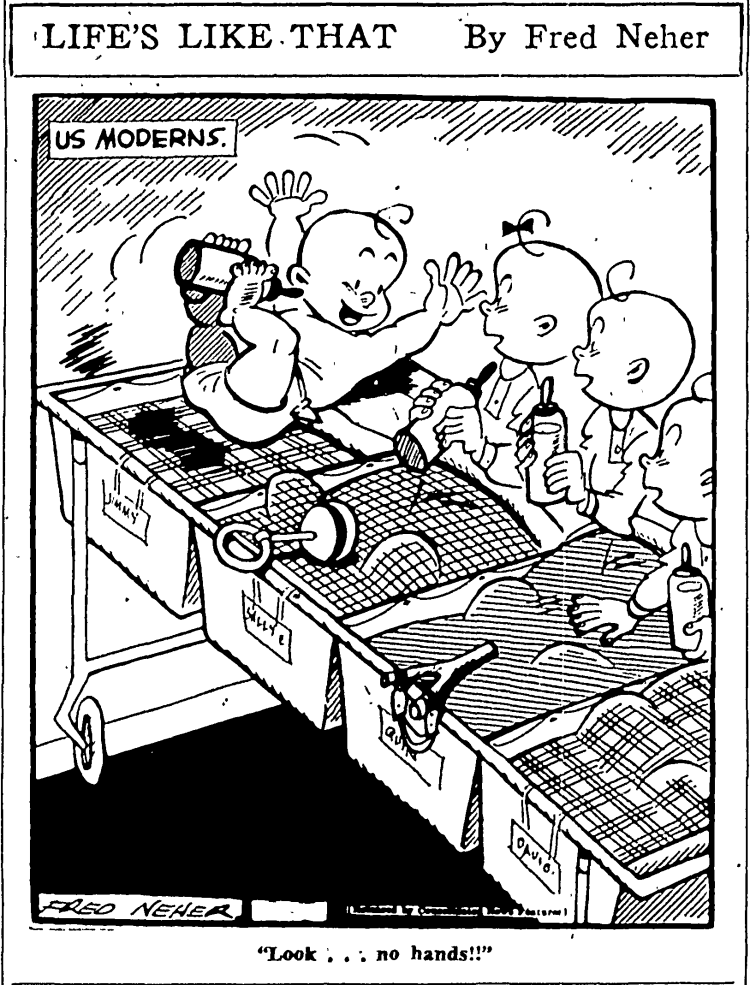
used of something done cleverly—British and American—originated as the proud exclamation of a child riding a bicycle with no hands on the handlebars
Read More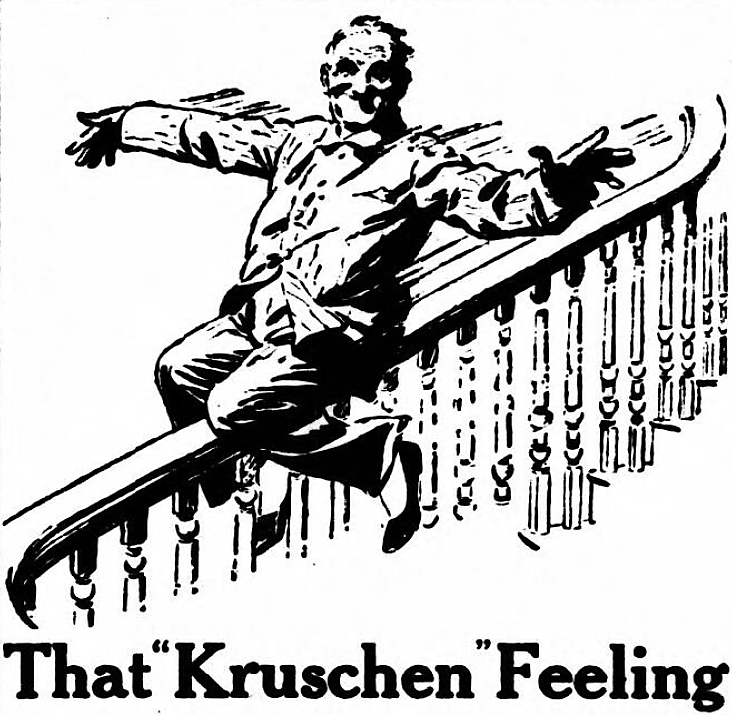
great vitality, enthusiasm and liveliness—UK, 1922—originally (from 1921 onwards) used in the advertisements for Kruschen Salts
Read More
