‘hell hath no fury like a woman’s corns’
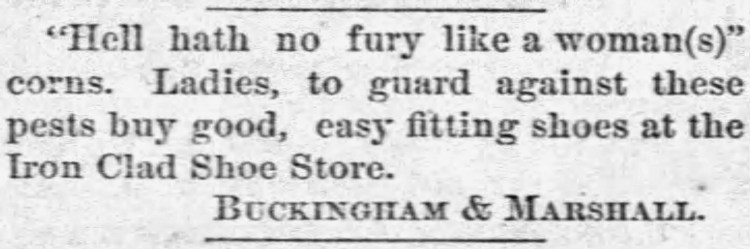
Ireland, 1845: ‘hell has no fury like a woman corned’—puns on ‘hell hath no fury like a woman scorned’, which refers to Congreve’s ‘The Mourning Bride’ (1697)
Read More
“ad fontes!”
Ireland, 1845: ‘hell has no fury like a woman corned’—puns on ‘hell hath no fury like a woman scorned’, which refers to Congreve’s ‘The Mourning Bride’ (1697)
Read More
USA, 1959—a summary of social life in Washington DC, especially for aged men—attributed by columnist Betty Beale to Columbia University President Grayson Kirk
Read More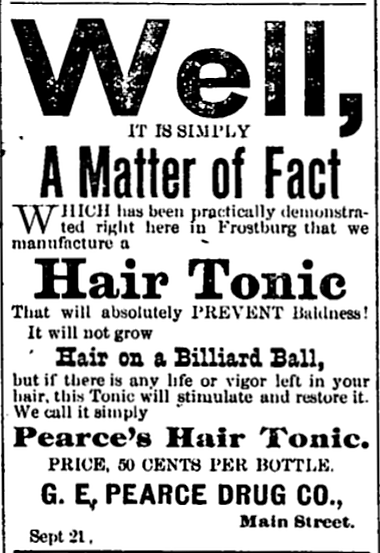
to achieve the impossible—USA, 1881—originally and chiefly used with reference to hair loss treatment
Read More1911—‘Damaged Goods’, translation of ‘Les Avariés’, by French dramatist Eugène Brieux, about the dangers of ignorance concerning sexually transmitted diseases
Read More
used of images suggestive of real or imaginary events—UK and USA early 1900s: popularised by its use as an advertising slogan for Doan’s Backache Kidney Pills
Read MoreAmerican English, 1965—signification: to be kept in a state of ignorance and told nonsense—in use a few years later in Australian English and British English
Read MoreUSA, 1926—only a person with a given personality, characteristic, etc., is able to identify that quality in someone else—particularly used of homosexuals
Read More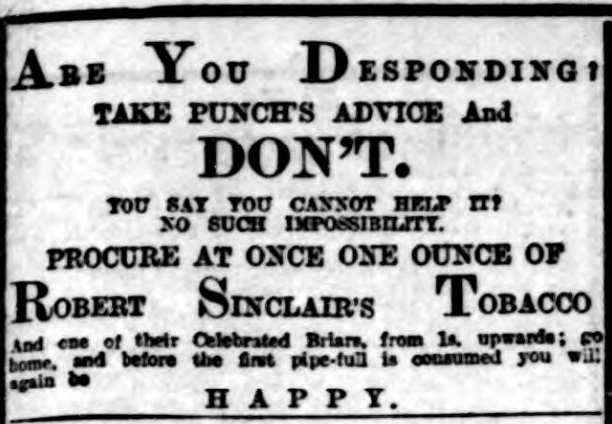
from “advice to persons about to marry—don’t”, published in ‘Punch’s Almanack for 1845’ (24 December 1844) by the magazine ‘Punch, or the London Charivari’
Read More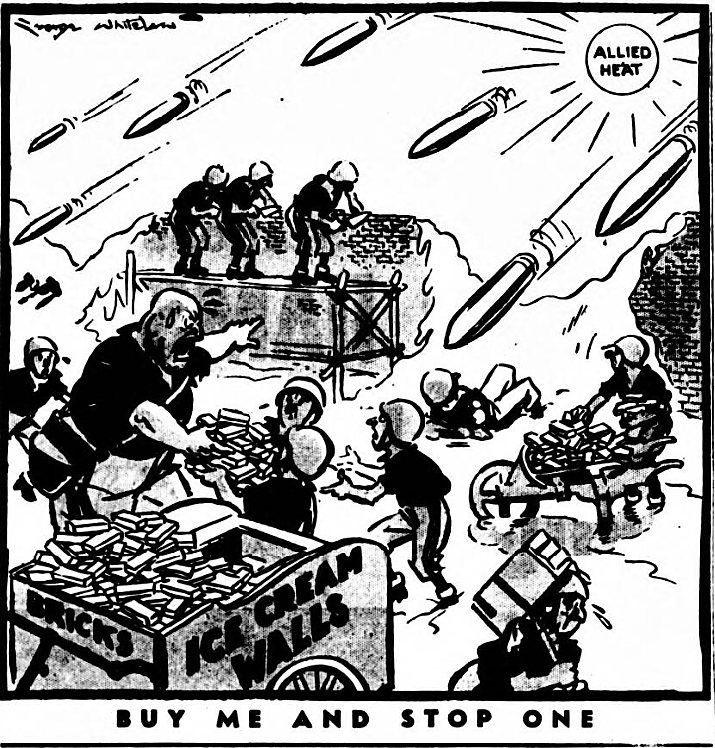
UK, 1970s: frequently scrawled on contraceptive-vending devices in public conveniences—reversal of ‘stop me and buy one’, Wall’s Ice Cream advertising slogan
Read More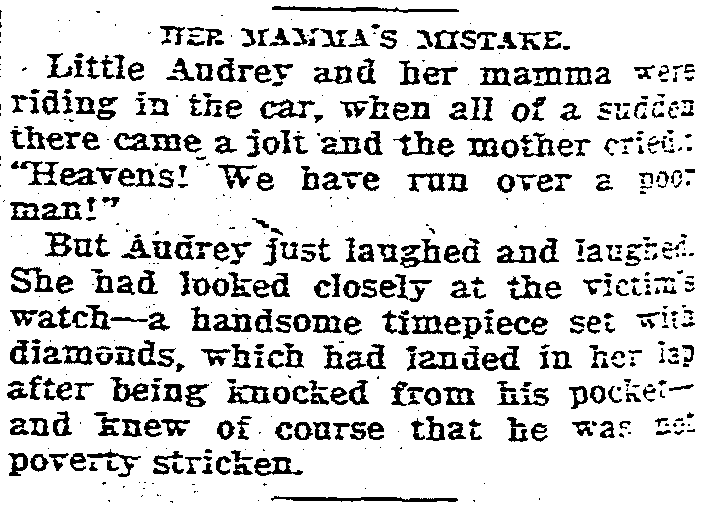
a joke involving a pun or double entendre opening with ‘but little Audrey just laughed and laughed because she knew’—January 1926, Kansas City Star (Missouri)
Read More
