‘Montezuma’s Revenge’: meaning and origin
USA, 1955—diarrhoea suffered by travellers, especially in Mexico—alludes to the Aztec emperor Montezuma II (c.1466-1520), who was captured by the Spanish and died in captivity
Read More
“ad fontes!”
USA, 1955—diarrhoea suffered by travellers, especially in Mexico—alludes to the Aztec emperor Montezuma II (c.1466-1520), who was captured by the Spanish and died in captivity
Read MoreUK, 1993—meaning: influenced or determined by a person’s locality or postal address—in phrases such as ‘postcode discrimination’—frequently with reference to the unequal provision of healthcare
Read MoreUSA, 1957—the rhythm method of birth control, as permitted by the Roman Catholic Church—with allusion to the unpredictable efficacy of this contraceptive method: from ‘Vatican’, denoting the authority of the Roman Catholic Church, and ‘Russian roulette’
Read More‘femiphobia’ (USA) 1907—‘feminophobia’ (UK) 1914—an irrational fear or dislike of women—from Latin ‘fēmina’ (woman) and combining form ‘-phobia’—probably each coined on various occasions by different persons, independently from each other
Read MoreIn reference to the names of various stretches of the Spanish Mediterranean coast which are popular with British holidaymakers, the Spanish noun ‘costa’ is used humorously as the first element in various invented place names.
Read More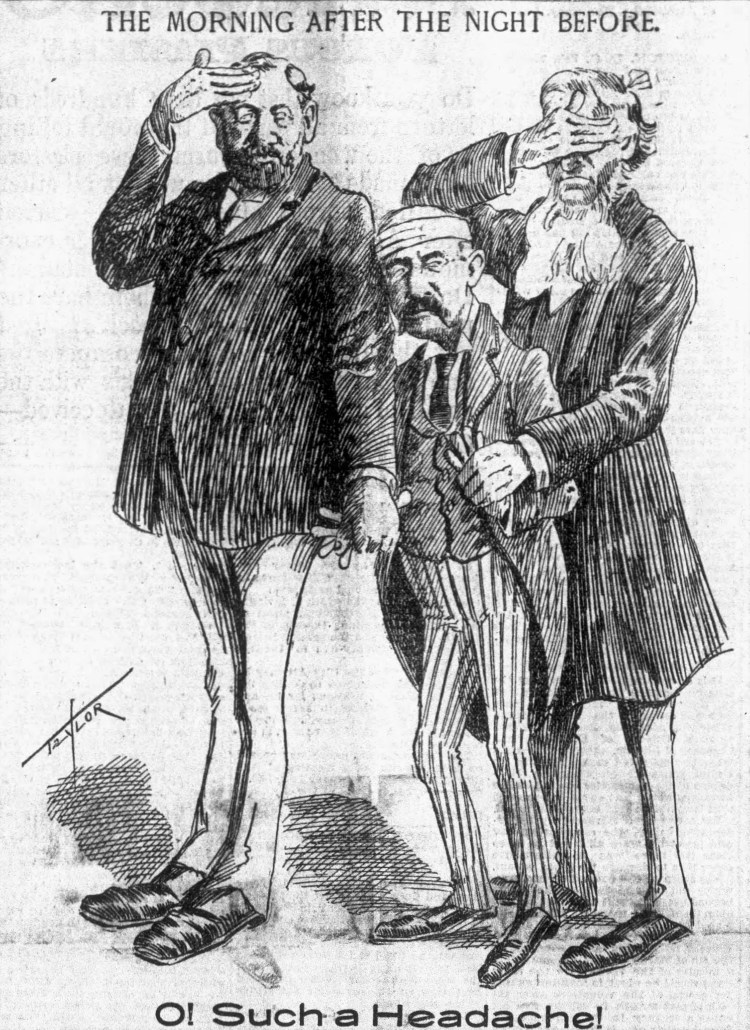
UK, 1860—the morning after an evening of drinking, when one has a hangover—in extended use: the morning after any night of excessive revelry
Read MoreYupik—meaning: “his mind knows what to do but he does not do it”—applied to someone who consistently violates the norms of society in multiple ways—used in January 2022 by Dominic Cummings to describe Boris Johnson
Read MoreJapan 1990s—the extreme avoidance of social contact, especially by adolescent males; a person, typically an adolescent male, who avoids social contact—Japanese ‘hikikomori’ is the nominalised stem of the verb ‘hikikomoru’, meaning ‘to withdraw into seclusion’
Read MoreUSA, 1907—the (alleged) form of dementedness, leading to violence, that takes hold of a man who believes that his home has been invaded, or that his family has been violated—coined by attorney Delphin M. Delmas, who defended Harry K. Thaw in his first murder trial
Read MoreUSA, 1942—over-ready to shoot at anything at any time or on slight provocation—during and following WWII, ‘happy’ was used as the second element in compound adjectives relating to mental instability associated with the first element
Read More word histories