‘sot-l’y-laisse’: French for ‘oyster’ (of a fowl)

The French word for the oyster-shaped piece of meat in the hollow of the pelvic bone of a fowl is ‘sot-l’y-laisse’, literally ‘(the) fool leaves it there’.
Read More
“ad fontes!”
The French word for the oyster-shaped piece of meat in the hollow of the pelvic bone of a fowl is ‘sot-l’y-laisse’, literally ‘(the) fool leaves it there’.
Read More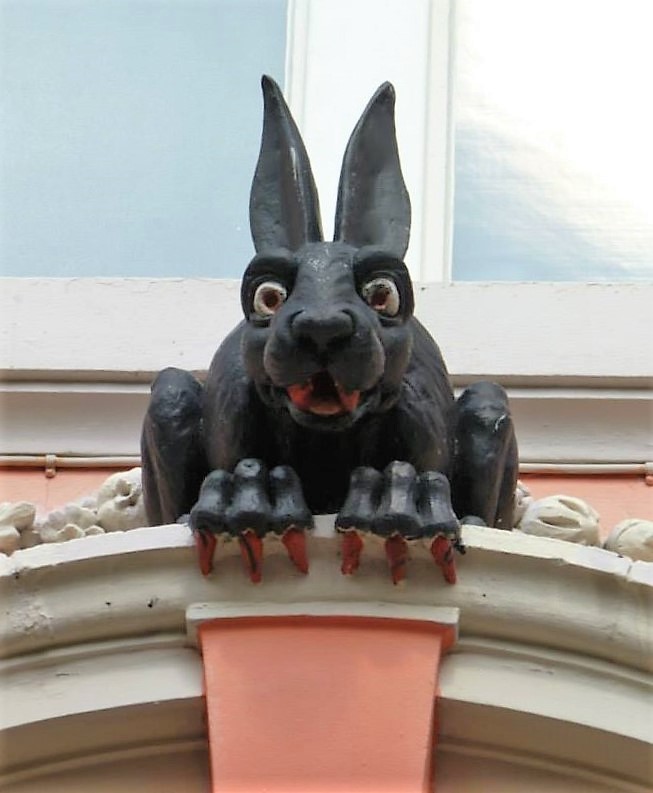
‘(As) mad as a March hare’ refers to the fact that, in the breeding season, the hare is characterised by much leaping, boxing and chasing in circles.
Read More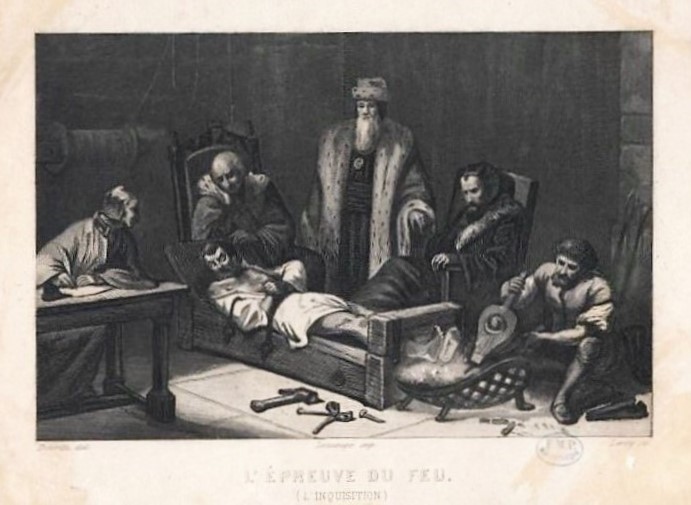
L’épreuve du feu (l’inquisition) by Devritz (painter) and Leroy (engraver) – date unknown source: BIU Santé The original meaning of the noun ordeal, from Old English ordāl, ordēl, is: an ancient test of guilt or innocence by subjection of the accused to severe pain, survival of which was taken as divine proof […]
Read MoreThe noun clue appeared as a variant spelling of clew, of same pronunciation. Not frequent until the 17th century, clue has become the prevailing form of the word in the sense of a fact or idea that serves to reveal something or solve a problem. The word is from Old English cliwen, cleowen, meaning a ball formed by winding yarn, twine or thread (it is still one […]
Read MoreOriginally meaning ‘person of ridiculous appearance’, ‘quiz’ (students’ slang, late 18th century) was jocularly derived from the Latin interrogative pronoun ‘quis’ in “Vir bonus est quis?” (“Who is a good man?”)—a good, ingenuous, harmless man being likely to become an object of ridicule or even of harassment.
Read MoreThe proverb (what’s) one man’s meat is another (man)’s poison means that things liked or enjoyed by one person may be distasteful to another. In this proverb, meat has its original sense of food in general, anything used as nourishment, solid food as opposed to drink. This original sense survives in sweetmeat and in the phrase […]
Read More
A Mad Dog in a Coffee House (London, 20th March 1809) by the English caricaturist Thomas Rowlandson (1756-1827) The term hair of the dog denotes an alcoholic drink taken to cure a hangover. It is a shortening of the phrase hair of the dog that bit you, first recorded in A dialogue […]
Read More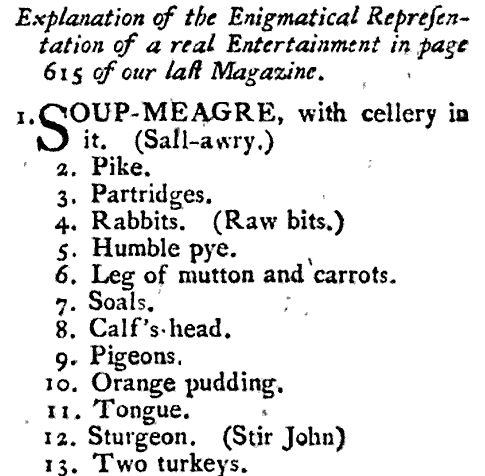
A puzzle published in The Hibernian Magazine, or, Compendium of Entertaining Knowledge (Dublin, Ireland) in 1774 punned on the humble of humble pie, which may indicate that the latter term was already used figuratively at that time. The following is from the October issue: […]
Read More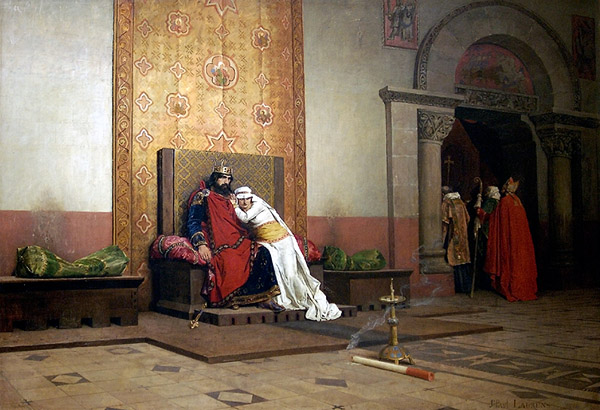
The Excommunication of Robert the Pious (1875), by the French artist Jean-Paul Laurens (1838-1921)—image: Wikimedia Commons The officiants have just excommunicated Robert by bell, book, and candle [note 1], and left the quenched candle behind. Robert II (972-1031), known as the Pious, the son of Hugues Capet, was excommunicated for incest by Pope Gregory V […]
Read More
This advertisement for the second season (2014) of comedienne Amy Schumer’s sketch show, Inside Amy Schumer, highlighted both the “hot” and “mess” sides of her personality — photograph: Jamey Welch Creative The primary meanings of the noun mess are a serving of food, a course, a meal, a prepared dish of a specified […]
Read More word histories