‘soft Mick’: meaning and origin
Lancashire, England, 1939—used in similative and comparative phrases such as ‘as —— as soft Mick’ and ‘more —— than soft Mick’, the noun ‘soft Mick’ (also ‘Soft Mick’) indicates a great quantity or degree
Read More
“ad fontes!”
Lancashire, England, 1939—used in similative and comparative phrases such as ‘as —— as soft Mick’ and ‘more —— than soft Mick’, the noun ‘soft Mick’ (also ‘Soft Mick’) indicates a great quantity or degree
Read MoreLancashire, England, 1973—a wasted journey; a weird way of behaving; a fit of ill temper—origin unknown—one hypothesis is that when wine boats from the Mediterranean arrived in Liverpool, the wine was occasionally sour and therefore useless
Read MoreLancashire, England, 1833—a faggot, a meatball, “a compound of onions, flour, and small pieces of pork” (The Liverpool Echo, 20 August 1880)—probably one of the common dishes humorously named after daintier items of food
Read More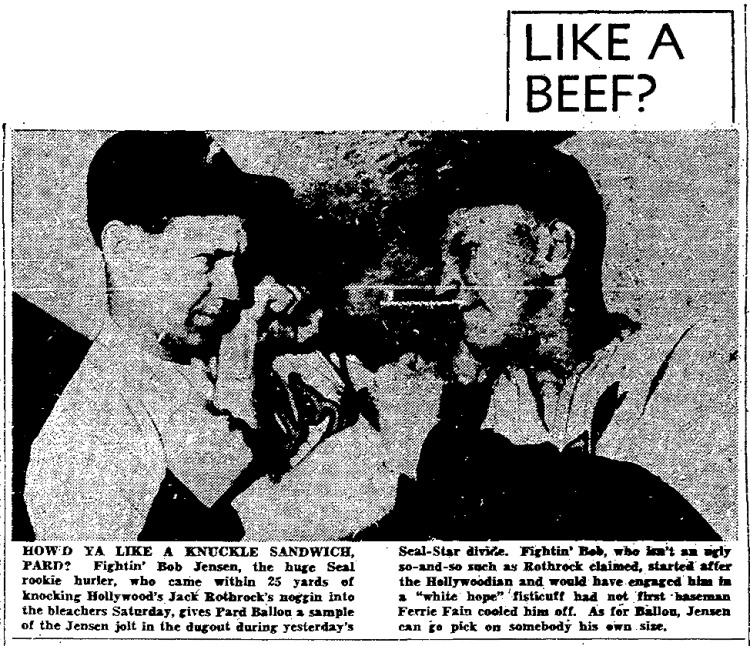
‘knuckle-sandwich’ USA, 1940—‘knuckle-butty’ UK, 1972—a punch to the mouth (or to the stomach)—the image is of a sandwich of knuckles being forced into the mouth (or into the stomach) of the person who is punched
Read MoreUK, 1892—very rarely—refers to the fact that Preston Guilds are held only once every twenty years—Preston is the administrative centre of Lancashire, a county of north-western England, on the Irish Sea
Read MoreUK, 1839—a Liverpudlian, especially as opposed to a Mancunian—from the 19th-century distinction between the Liverpudlians, who were involved in trading, and the Mancunians, who were involved in manufacturing
Read More
addition to proverb ‘God helps those who help themselves’—USA, UK and Australia, late 19th century—originated as a warning to shoplifters
Read More1955—originated in stage plays purporting to depict life in northern England, particularly in Lancashire—‘mill’: a factory
Read More
1941—expresses exasperation or derision at a clumsy, erratic or idiotic person—popularised by Jimmy Clitheroe in his radio programme The Clitheroe Kid (1958-72)
Read More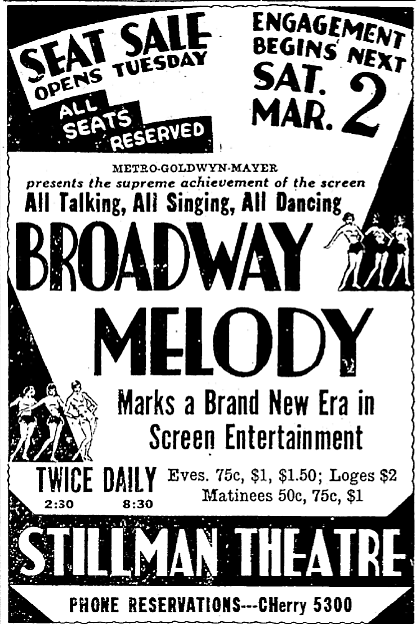
UK, 1959—having every desirable feature possible—from ‘all-singing, all-dancing’ as used in the billing given to film or stage musical productions
Read More
