‘Coggeshall job’: meaning and origin
any muddle-headed business—UK, 1813—the stupidity of the people of Coggeshall, a small town in Essex, England, has been proverbial since the mid-17th century
Read More
“ad fontes!”
any muddle-headed business—UK, 1813—the stupidity of the people of Coggeshall, a small town in Essex, England, has been proverbial since the mid-17th century
Read MoreUSA, 1938—male-chauvinistic phrase meaning that the place of women is in the home and that their role is to bear children—also ‘pregnant and barefoot(ed)’
Read More
used as a humorous exhortation to a driver (‘James’: generic posh Christian name)—USA—shorter form: late 19th century—extended form: 1911
Read Moreapplied to someone who will drink anything—UK, 1790—from the tale of the sailor(s) who stole spirits from the cask in which a dead Admiral was being preserved for interment in England
Read More1970—British and Irish English—acronym from the phrase ‘all coppers are bastards’—customarily written (tattooed in particular) rather than spoken
Read More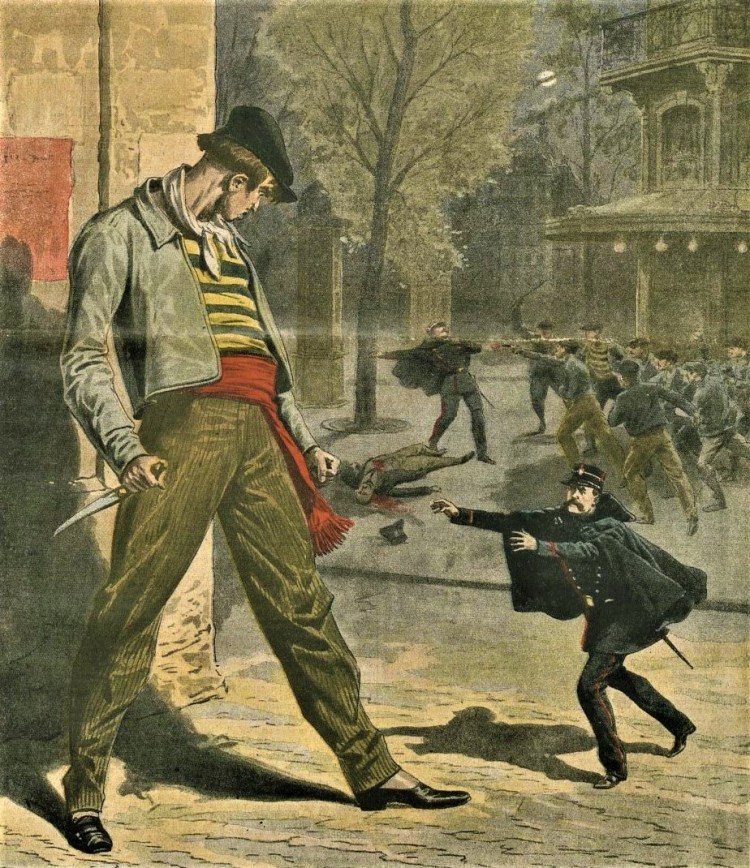
circa 1900: by association with the reputed ferocity of the North-American Indian people, ‘Apache’ came to designate a violent street ruffian in Paris
Read More
used to rebuke someone, especially, jocularly, for an act far more improper or audacious than mere tobacco-smoking—USA, 1889
Read MoreUK, 1808—elaboration on ‘accidents will happen’, meaning accidents will happen despite efforts taken to prevent them
Read More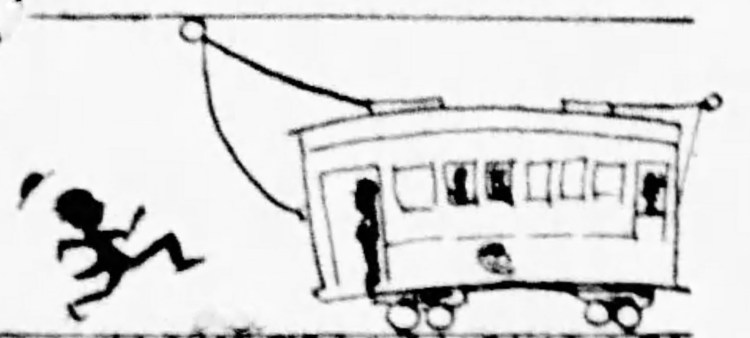
USA, 1900—followed by ‘there’ll be another one right along’ and variants, means ‘there will be many more romantic opportunities in the future’
Read More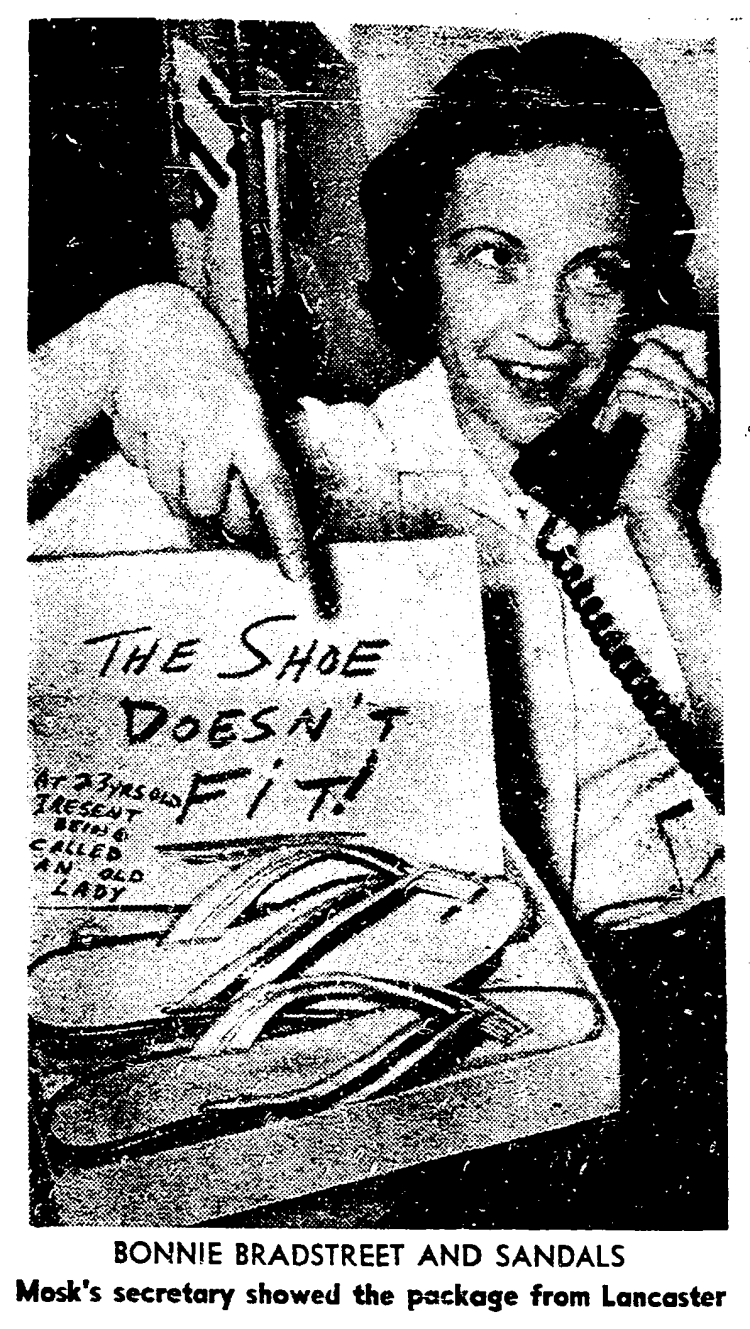
USA, 1961—coined by Howard Jewel, Assistant Attorney General, Sacramento, California, as a description of female members of the John Birch Society
Read More word histories