Australia, 1830—refers to the Aboriginal belief that light-skinned persons are reincarnations of dead Aborigines—extended forms: ‘jump up white fellow, plenty of sixpence’ and ‘go down blackfellow and jump up whitefellow’
Irish English, 1834—extremely cold, literally (i.e., with reference to low temperatures) and figuratively (i.e., with reference to lack of feeling, of emotion)
Australia, 1902—to be extremely weak or incompetent at fighting; to be completely ineffectual or inept—‘to fight one’s way out of a paper bag’: to accomplish a very easy task
USA, 1876: from beginning to end, completely, exhaustively—literal meaning, 1852: all the successive parts of a meal, from soup at the beginning to nuts at the end
UK—originated in British-Army slang, first to designate an unintelligent person (1943), then any ordinary soldier of the lowest ranks (1945)—finally also, in civilian usage: any ordinary person (1947)
dirty fingernails—1906—British and Irish English—but the comparison between the dirt edging the fingernails and the black border edging mourning paper dates back to the 19th century
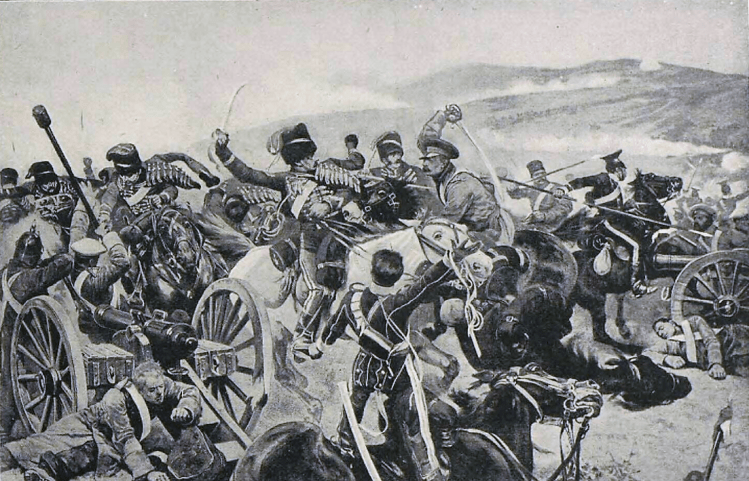
alludes to a British cavalry charge in 1854 during the Battle of Balaclava in the Crimean War—the phrase has had a variety of meanings, depending on the acceptation in which ‘charge’ has been used

 word histories