‘proud as a louse’ and other linguistic notes on ‘Punchinello’
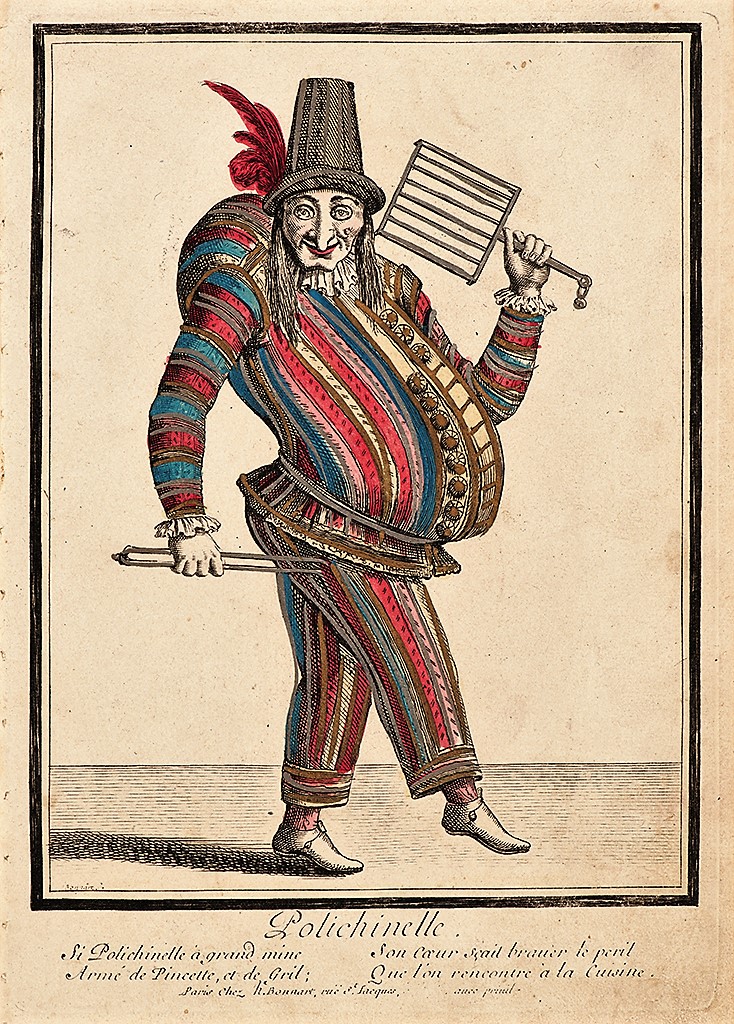
Several English and French words and phrases are ultimately derived the Latin noun ‘pullus’, meaning ‘young animal’, in particular ‘young fowl’.
Read More
“ad fontes!”
Several English and French words and phrases are ultimately derived the Latin noun ‘pullus’, meaning ‘young animal’, in particular ‘young fowl’.
Read More
a realm of fantasy, dreams or impractical notions—1856 as ‘cuckoo-cloud-land’—from the name of the city built by the birds in ‘The Birds’, by Aristophanes
Read More
meaning: ‘tit for tat’—Oliver was a full match for his comrade Roland, the legendary nephew of Charlemagne in ‘La Chanson de Roland’ and other romances
Read More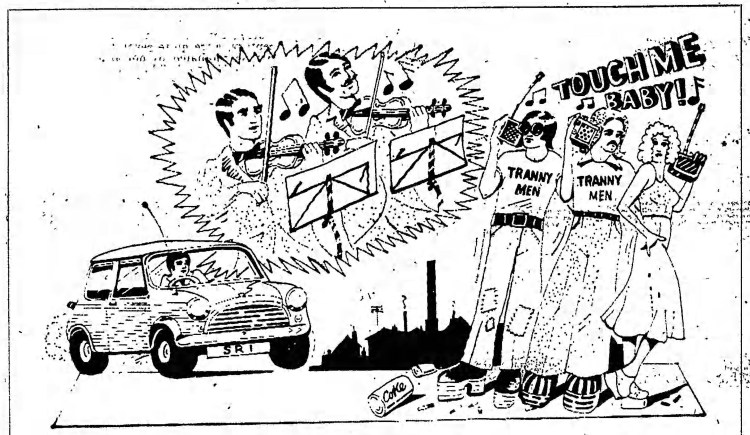
UK, 1971, in graffiti—preceded by a proper or common noun in the singular or plural; used to assert the pre-eminence of a specified person or thing
Read More‘blanket’: from Old-Northern-French and Anglo-Norman forms such as ‘blankete’ (white woollen material), composed of ‘blanc’ (white) and the diminutive suffix ‘-ette’
Read More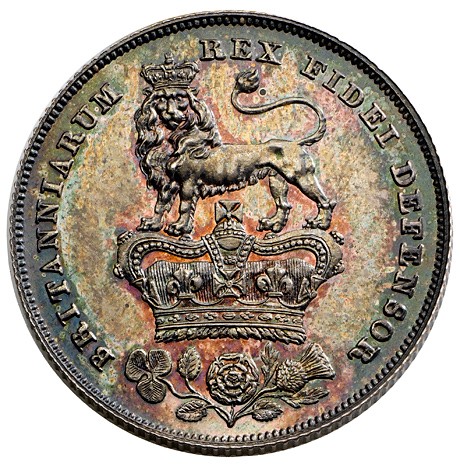
UK, 1707—‘to take the (King’s/Queen’s) shilling’: to sign up as a soldier, from the former practice of giving a shilling to a recruit when he enlisted
Read More
mid-16th century—meaning: to wait for the death of a person with the expectancy of succeeding to his possessions or office; implies a futile wait
Read More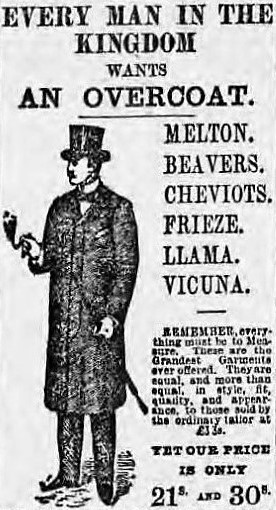
19th cent.—‘button-hold’ was probably mistaken in spoken language for a past form, hence the coinage of ‘buttonhole’ in order to match the original error
Read MoreThe noun ‘spud’, originally the name for the digging implement used to dig up potatoes, was applied to the latter in the 19th century.
Read Morelate 17th century—probably based on the resemblance between the shape of the heart and that of a cockleshell – or of the body the shell protects
Read More
