to appeal from Philip drunk to Philip sober
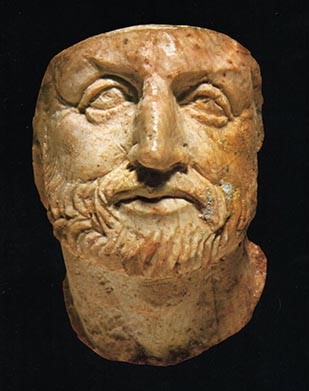
from the story of a woman who, having been unfairly judged by King Philip of Macedon while he was drunk, urged him to reconsider his decision when sober
Read More
“ad fontes!”
from the story of a woman who, having been unfairly judged by King Philip of Macedon while he was drunk, urged him to reconsider his decision when sober
Read MoreVia Irish ‘póg’, Irish-English ‘pogue’ (a kiss) is from ecclesiastical Latin ‘pacem’ (kiss of peace)—the name of the band is from ‘pogue mahone’ (kiss my arse).
Read More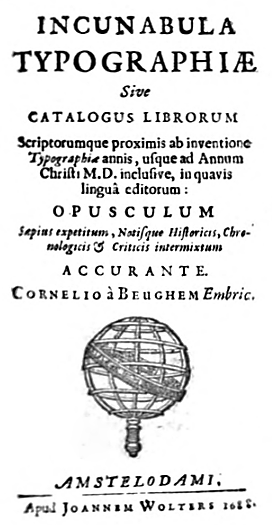
Latin ‘incunabula’: ‘swaddling clothes’, hence ‘beginning’—denotes the early printed books (from the 1450s to the end of the 15th century)
Read More
original meaning of ‘kidnap’, late 17th century—to steal or carry off children or others in order to provide servants or labourers for the American plantations
Read Moreto get credit or money by using a fraudulent financial instrument; to send an illicit or secret note; to find out in what direction affairs are tending
Read More
UK, late 19th cent.—probably a rendering of an Irish patronym, based on stereotypes generated by Irish immigration to Britain and popularised by theatre
Read More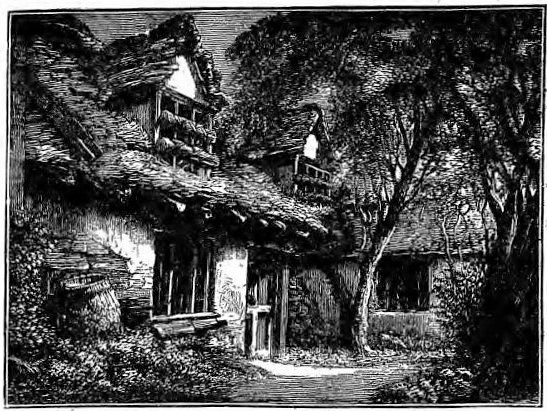
a game in which the player who has the role of Tom Tiddler defends his territory against the others, who try to steal his money—hence a source of easy money
Read More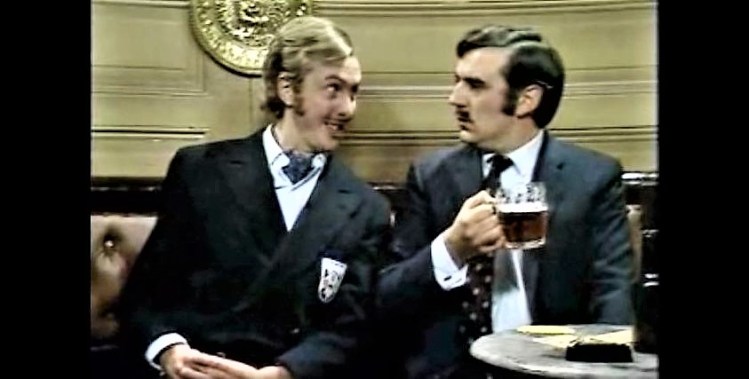
‘a nod’s as good as a wink (to a blind horse)’ 18th century—acknowledges that a hint or suggestion has been understood without the need of further elaboration
Read More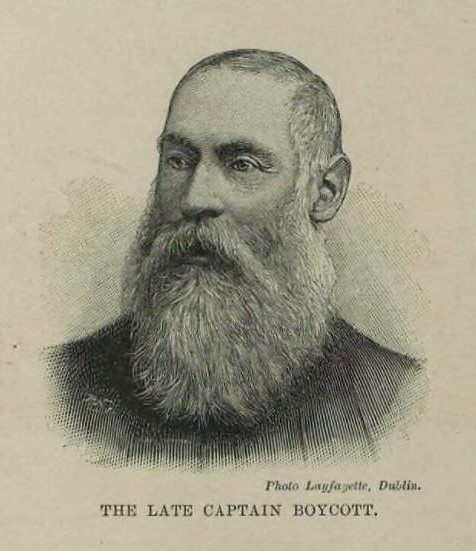
from the name of Captain Charles C. Boycott, land agent in Ireland, who was ostracised for refusing to reduce rents during the Land League agitation in 1880
Read More
‘according to Hoyle’: according to plan or the rules—early 19th century: from the name of Edmond Hoyle (1672-1769), English writer on card games
Read More
