a soccer phrase: ‘where’s your white stick?’
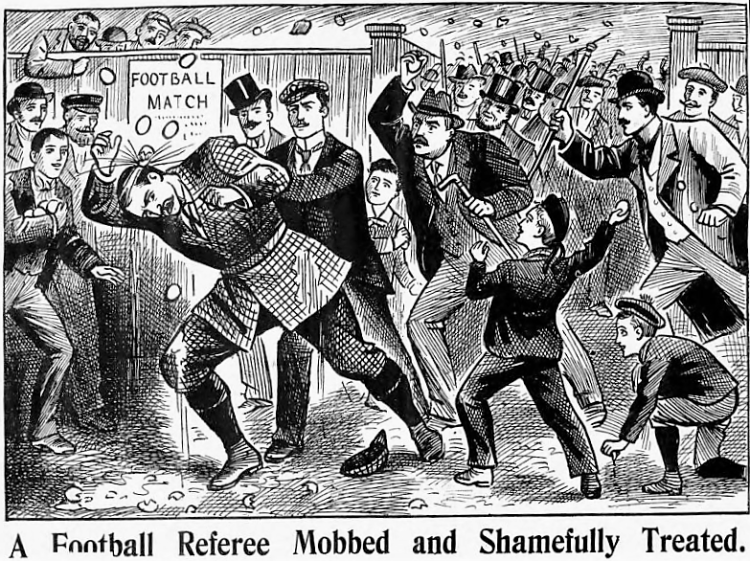
UK, 1935—used to express disagreement with the referee during a soccer match—alludes to the white walking stick carried by a blind person
Read More
“ad fontes!”
UK, 1935—used to express disagreement with the referee during a soccer match—alludes to the white walking stick carried by a blind person
Read More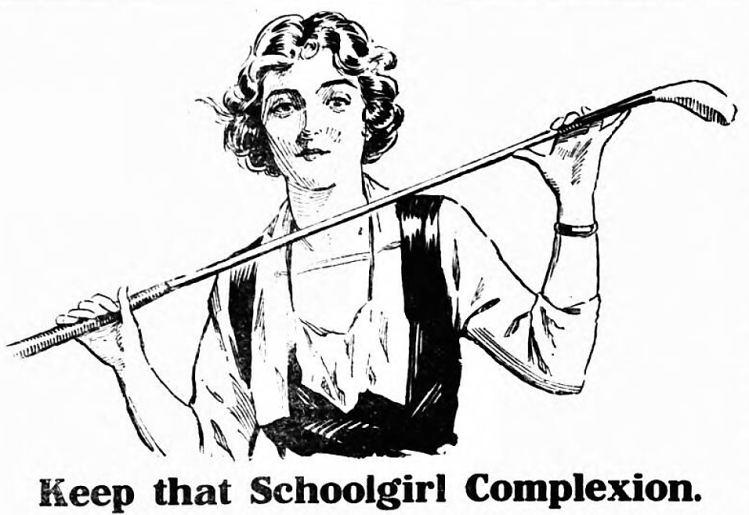
American English 1921–British and Irish English 1923—although it was already a cliché, ‘schoolgirl complexion’ was popularised by the advertising slogan for Palmolive Soap
Read Moreused to express satisfaction when a task that has called for more than usual enterprise and determination has been accomplished—UK, 1833
Read More
USA, 1956—jocular variant of equally jocular ‘see you later, alligator’ (1952)—recoined on separate occasions by various persons, independently from one another
Read More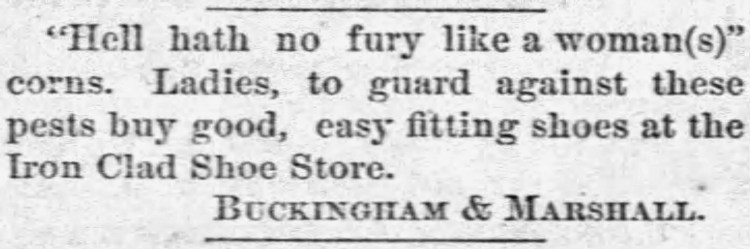
Ireland, 1845: ‘hell has no fury like a woman corned’—puns on ‘hell hath no fury like a woman scorned’, which refers to Congreve’s ‘The Mourning Bride’ (1697)
Read More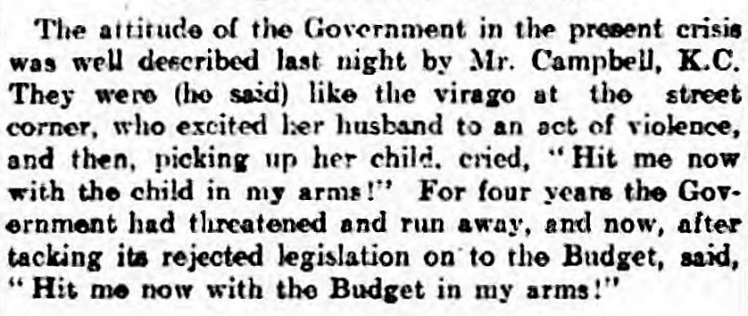
Irish-English phrase—first recorded in 1892—used to express pretended fear of, and/or provocation to, a physical attack
Read Moreexpresses distrust at air or sea travel—USA, 1926—with a pun on ‘terror’, jocularly decouples from each other the components of ‘terra firma’ (firm land)
Read More
UK, 1973—refers to a woman’s breasts as revealed e.g. by a very low-cut dress, or to (the contours of) a woman’s genitals as revealed e.g. by a very short skirt
Read More
I am happy with my situation (so much so that even becoming royalty could not improve on it)—UK, 1843 as ‘I would not give sixpence to call the Queen my aunt’
Read More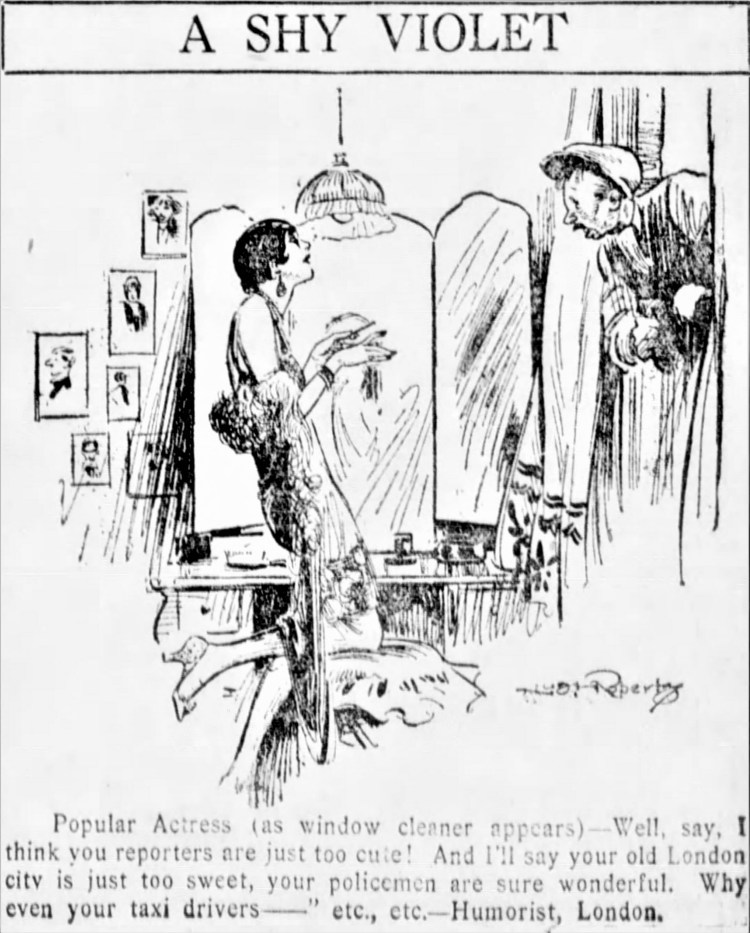
1928—used of British police officers, chiefly those of London, by persons, mostly women, visiting the United Kingdom—became rapidly a cliché used jocularly
Read More word histories