history of the acronym ‘ACAB’
1970—British and Irish English—acronym from the phrase ‘all coppers are bastards’—customarily written (tattooed in particular) rather than spoken
Read More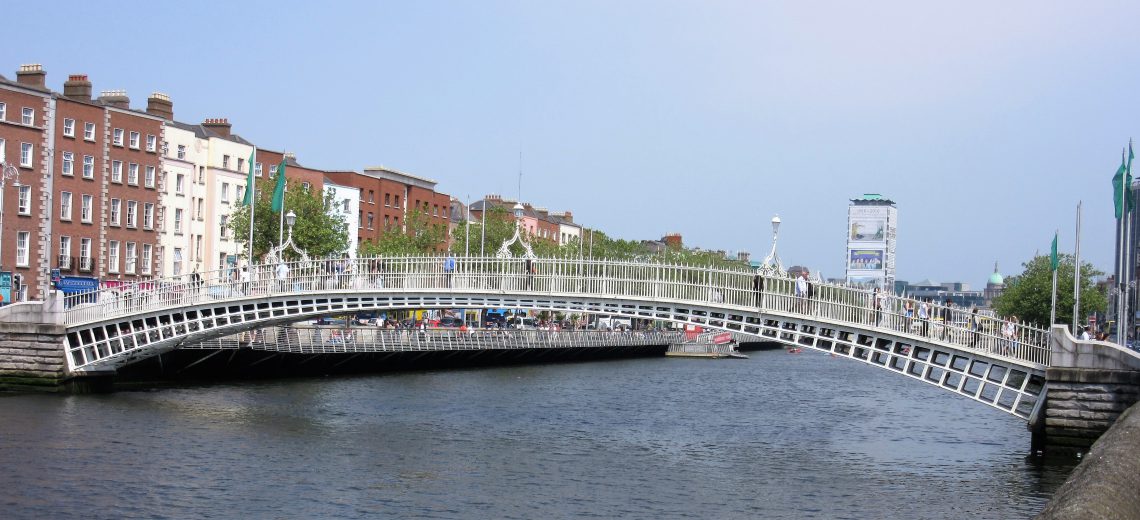
“ad fontes!”
1970—British and Irish English—acronym from the phrase ‘all coppers are bastards’—customarily written (tattooed in particular) rather than spoken
Read More
‘The Daily Telegraph’: nicknamed ‘Torygraph’ for its adherence to Conservative Party—the ‘Daily Mail’: nicknamed ‘Daily Heil’ for its support for Fascists in the 1930s
Read More
a statement of praise or admiration—Australia, 1903—also used, in particular, by Irish author Brendan Behan (1923-1964)
Read More
a retort to ‘what’s on at the pictures?’—USA, 1924—with pun on ‘to mix cement’, refers to U.S. film actor Tom Mix
Read More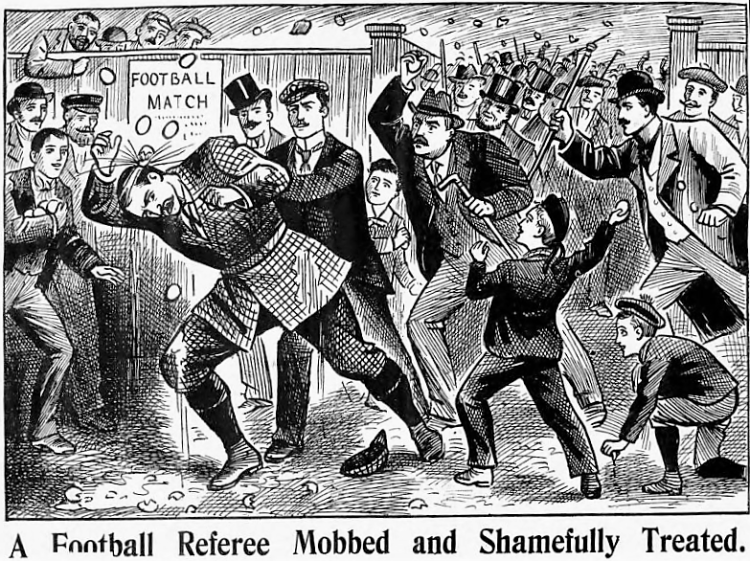
UK, 1935—used to express disagreement with the referee during a soccer match—alludes to the white walking stick carried by a blind person
Read More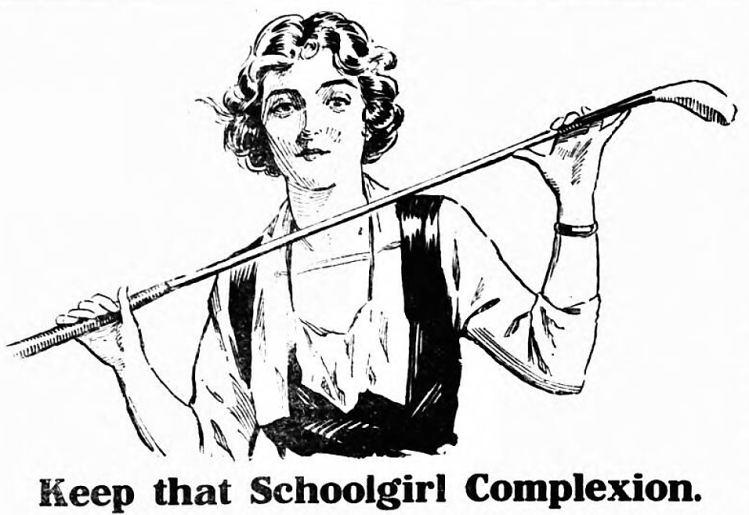
American English 1921–British and Irish English 1923—although it was already a cliché, ‘schoolgirl complexion’ was popularised by the advertising slogan for Palmolive Soap
Read Moreused to express satisfaction when a task that has called for more than usual enterprise and determination has been accomplished—UK, 1833
Read More
USA, 1956—jocular variant of equally jocular ‘see you later, alligator’ (1952)—recoined on separate occasions by various persons, independently from one another
Read More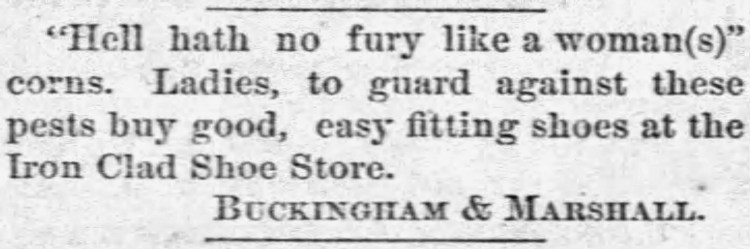
Ireland, 1845: ‘hell has no fury like a woman corned’—puns on ‘hell hath no fury like a woman scorned’, which refers to Congreve’s ‘The Mourning Bride’ (1697)
Read More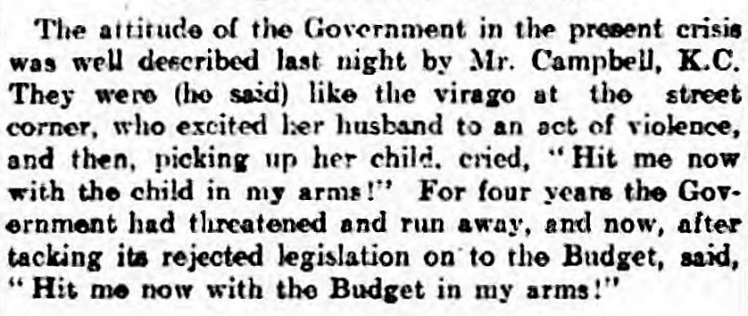
Irish-English phrase—first recorded in 1892—used to express pretended fear of, and/or provocation to, a physical attack
Read More
