meaning and origin of the phrase ‘away with the fairies’

Irish English, 1907—out of touch with reality—ultimately refers to the belief that the fairies spirit away human beings
Read More
“ad fontes!”
Irish English, 1907—out of touch with reality—ultimately refers to the belief that the fairies spirit away human beings
Read MoreUSA, 1815—from the practice of putting one’s ear to the ground in order to detect the vibration of sounds in the distance before they can actually be heard
Read MoreIn ‘couch potato’, ‘potato’ may be a pun on ‘tuber’ in ‘boob tuber’, from ‘boob tube’ (= television (set)), in which ‘boob’ means ‘stupid, foolish’.
Read Moreto avoid work, to shirk one’s duty—originated in military slang during the First World War, the word ‘column’ denoting a formation of marching soldiers
Read More
UK, 1849—in the medical profession, appearances, among which a good bedside manner, prevailed over qualifications
Read More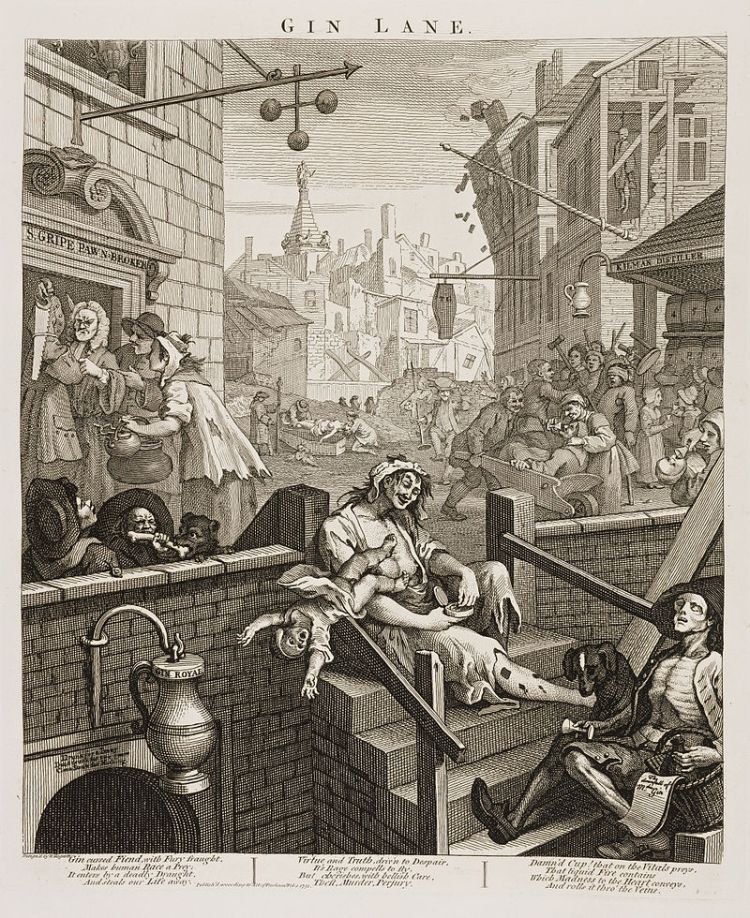
probably refers to pregnancy as an awkward condition, the image being apparently of an uncomfortable position at the top of a pole
Read MoreThe adjective ‘living’ is an intensifier, and ‘daylights’ is an 18th-century slang term for ‘eyes’ chiefly used in contexts of physical violence or threats.
Read Morefirst recorded in The Biglow Papers (1848), by American author James Russell Lowell—based on the notion of leaving one’s hat behind in a rush of impetuosity
Read MoreUK, 1934—image said to have been first used by Lenin about the Russian soldiers who were abandoning the war during the Russian Revolution of 1917
Read More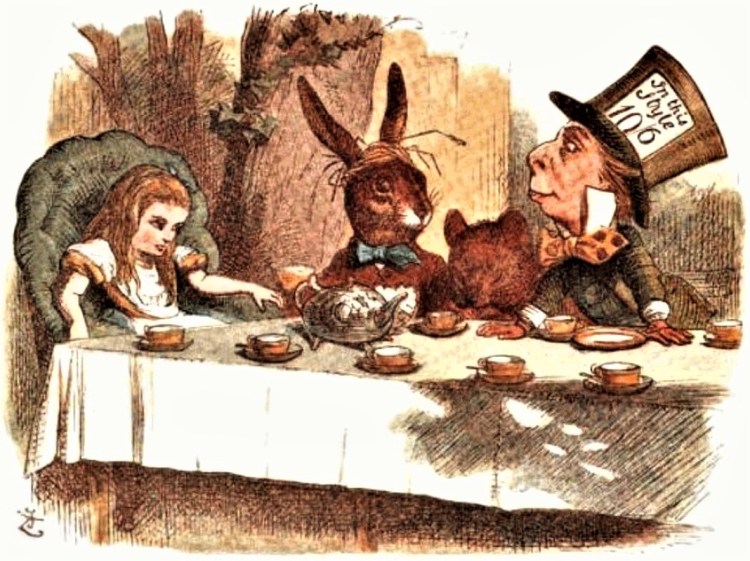
to be insane—late 19th century—originated in the fact that in 19th-century productions of Shakespeare’s ‘Hamlet’, Ophelia appeared with straws in her hair in her ‘mad scene’
Read More
