The phrase ‘footloose and fancy-free’ means ‘not committed or tied to anyone or anything’—it appeared in the 1860s only, in U.S. political contexts, although each of its elements dates from the 17th century.
USA, 1917 (with ‘footie’): to touch somebody’s foot lightly with one’s own foot, especially under a table, as a playful expression of romantic interest—hence also, figuratively: to have underhanded dealings with somebody
UK, 1831—to startle or upset a sedate or conventionally-minded community—most probably from the following lines in The Tragedy of Coriolanus (circa 1607), by William Shakespeare: “like an eagle in a dove-cote, I | Flutter’d your Volscians in Corioli”
USA, 1930—‘to crawl, or to come, out of the woodwork’: of an unpleasant or unwelcome person or thing, to come out of hiding, to emerge from obscurity; the image is of vermin or insects crawling out of crevices or other hidden places in a building
USA, 1911—‘to be decent’: ‘to be sufficiently clothed to see visitors’; often as a coy or jocular enquiry ‘are you decent?’—originated in the question asked when knocking at the door of an actor’s or actress’s dressing room in a theatre
UK, 1967—chiefly British—‘bums on seats’: the members of an audience, at a theatre, cinema or other place of entertainment, especially when viewed as a source of income
first recorded in the Los Angeles Times (California) of 15 March 1951—possibly from ‘brownie’ in the sense of ‘a benevolent elf that supposedly haunts houses and does housework secretly’
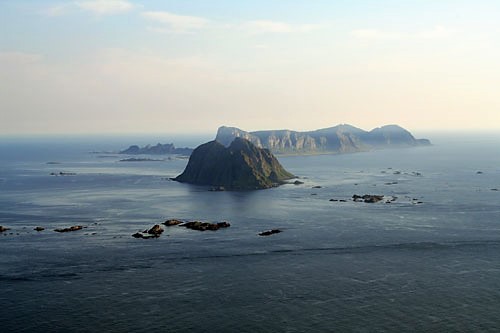
late 16th century—from early modern Dutch ‘maelstrom’ (now ‘maalstroom’)—originally a proper name designating a powerful whirlpool in the Arctic Ocean, off the west coast of Norway, which was formerly supposed to suck in and destroy all vessels within a wide radius
1763 in French, 1798 in English—from the name of Étienne de Silhouette (1709-67), Controller-General of Finances in 1759—perhaps because he might have invented the portrait in profile obtained by tracing the outline of a head or figure by means of its shadow
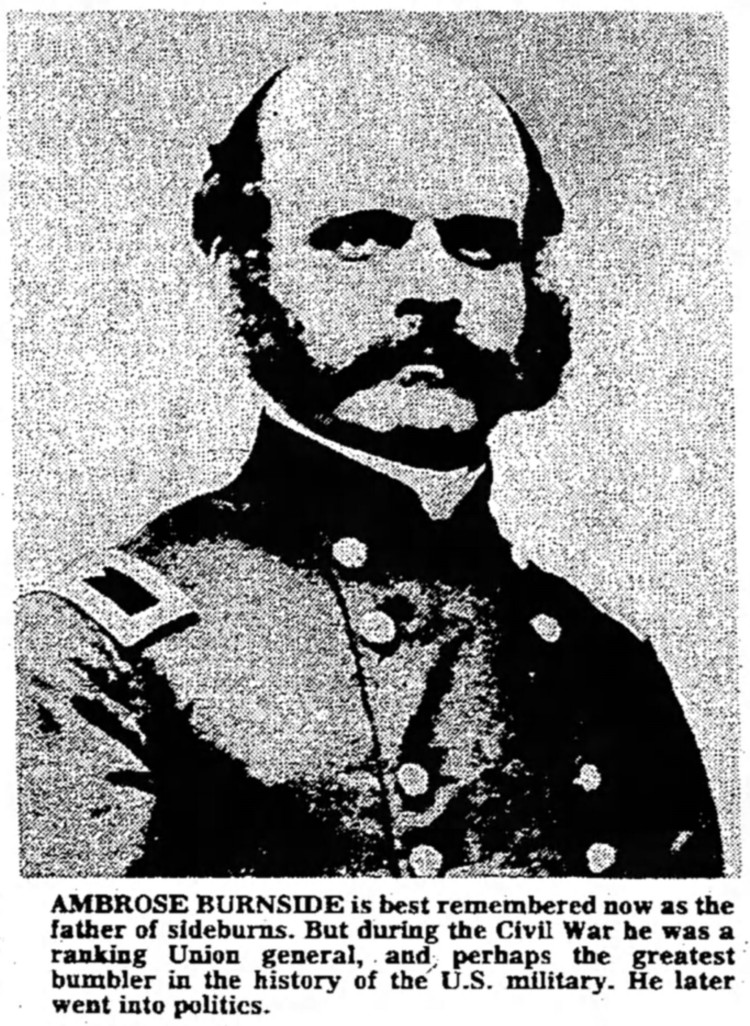
After Ambrose Burnside, Union general in the U.S. Civil War, ‘burnsides’ (1866) denotes thick side whiskers worn with a moustache and clean-shaven chin; on the pattern of ‘side whiskers’, it was altered to ‘sideburns’ (1875), itself altered to ‘sideboards’ (1882).



 word histories