meaning and history of ‘spring forward, fall back’

USA, 1936—serves as a mnemonic for remembering to set the clocks when daylight-saving time comes into effect and when it ends
Read More
“ad fontes!”
USA, 1936—serves as a mnemonic for remembering to set the clocks when daylight-saving time comes into effect and when it ends
Read More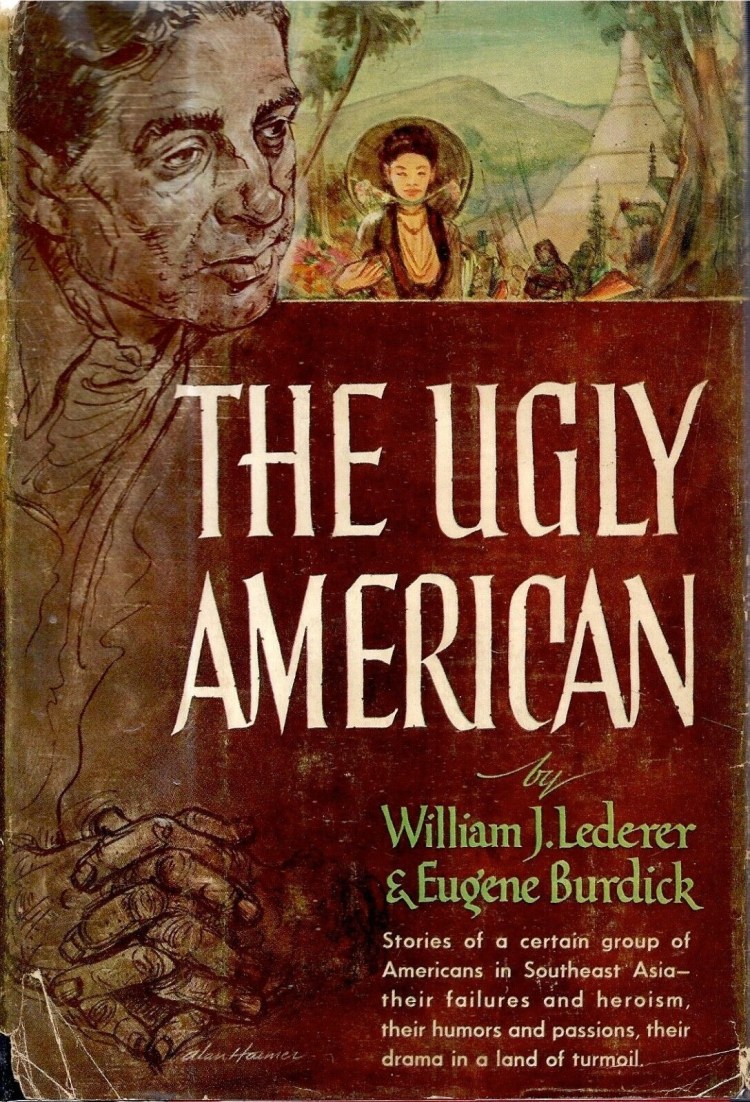
USA, 1958—an American who behaves offensively abroad—refers to The Ugly American, a 1958 novel denouncing the U.S. Foreign Service in Southeast Asia
Read More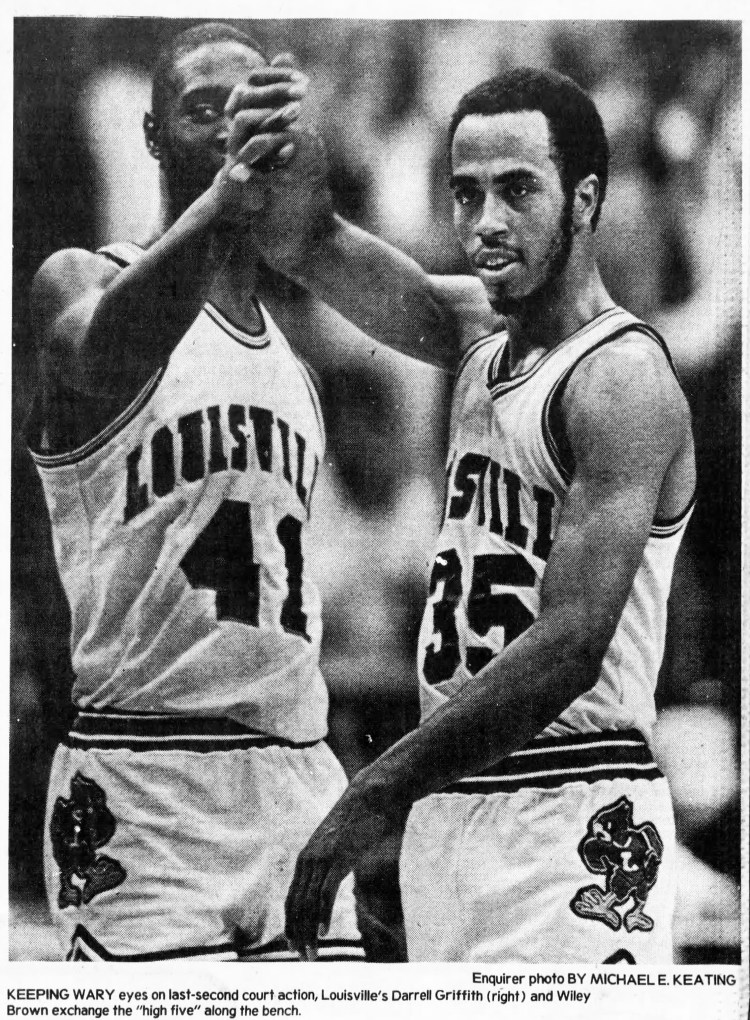
USA, 1980—gesture of celebration or greeting in which two people slap each other’s palms with their arms raised—originated in basketball
Read More
an extremely beautiful woman—alludes to the description of Helen of Troy in Christopher Marlowe’s ‘Doctor Faustus’—has given rise to countless adaptations
Read More
a man and woman in the act of copulation—English: earliest in Shakespeare’s Othello—perhaps a calque of French: earliest in Rabelais’s Gargantua (1542)
Read Moree.g. ‘one eye at St. Paul’s and the other at Charing-cross’, ‘un œil aux champs et l’autre à la ville’ (one eye at the fields and the other at the town)
Read More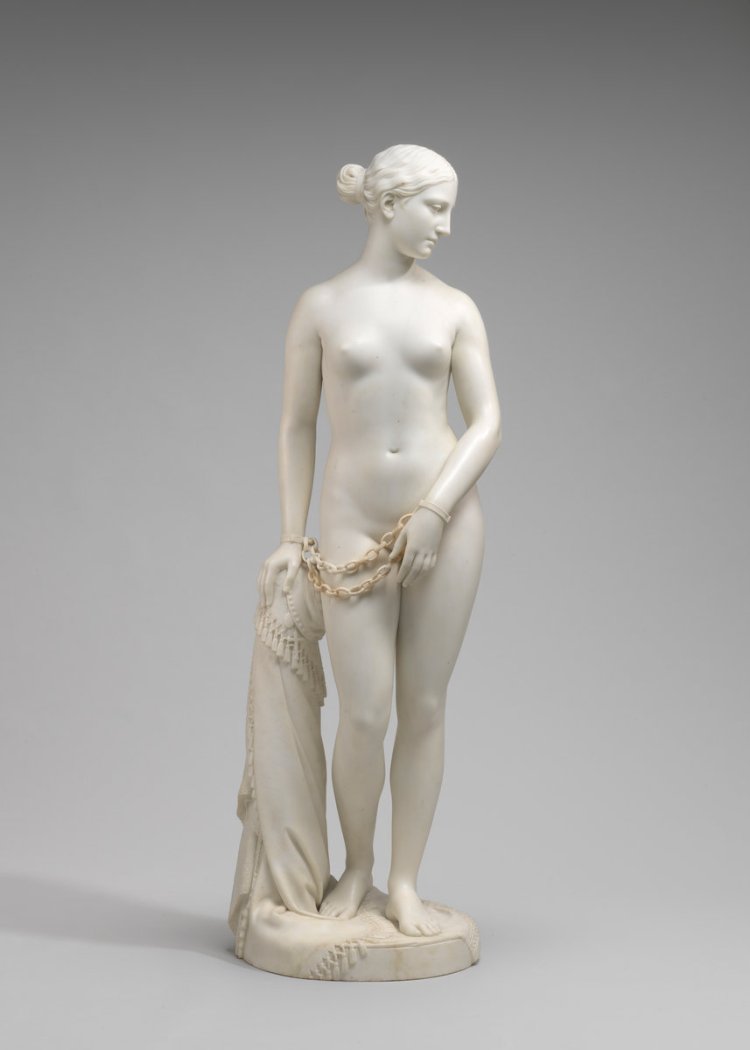
USA—‘Comstockism’ 1878, ‘Comstockery’ 1889—strict censorship of materials considered obscene—after anti-vice activist Anthony Comstock (1844-1915)
Read More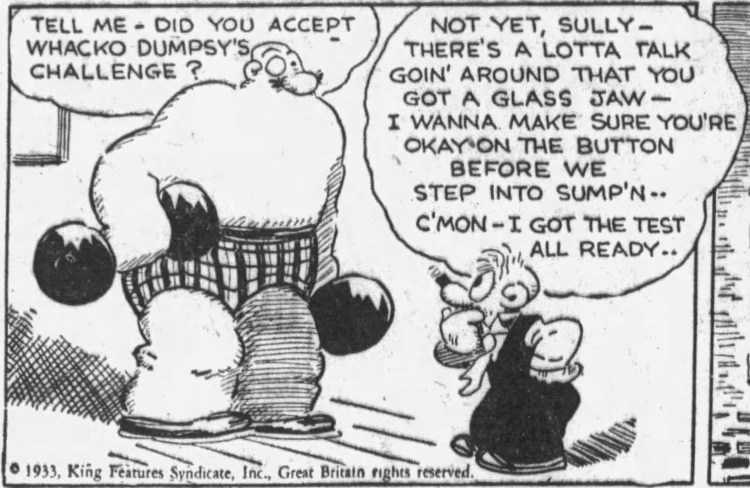
USA—1904 (boxing) a weak jaw that is easily broken—1914 (allegorical) preceded by the adjective ‘moral’—1931 (figurative) a vulnerable point—synonym: ‘china chin’
Read MoreUSA, 1969—a method alternating kindness with harshness—from a police interrogation technique in which one officer is aggressive while the other is sympathetic
Read Moreearly 18th century, in Jonathan Swift’s ‘Polite Conversation’—from the folk belief that one shudders when somebody walks over the site of one’s future grave
Read More
