meaning and history of the phrase ‘feed the brute’

nourish your husband—1882 in ‘Vanity Fair’ (London)—popularised in 1885 by a cartoon by George du Maurier, published in ‘Punch, or the London Charivari’
Read More
“ad fontes!”
nourish your husband—1882 in ‘Vanity Fair’ (London)—popularised in 1885 by a cartoon by George du Maurier, published in ‘Punch, or the London Charivari’
Read More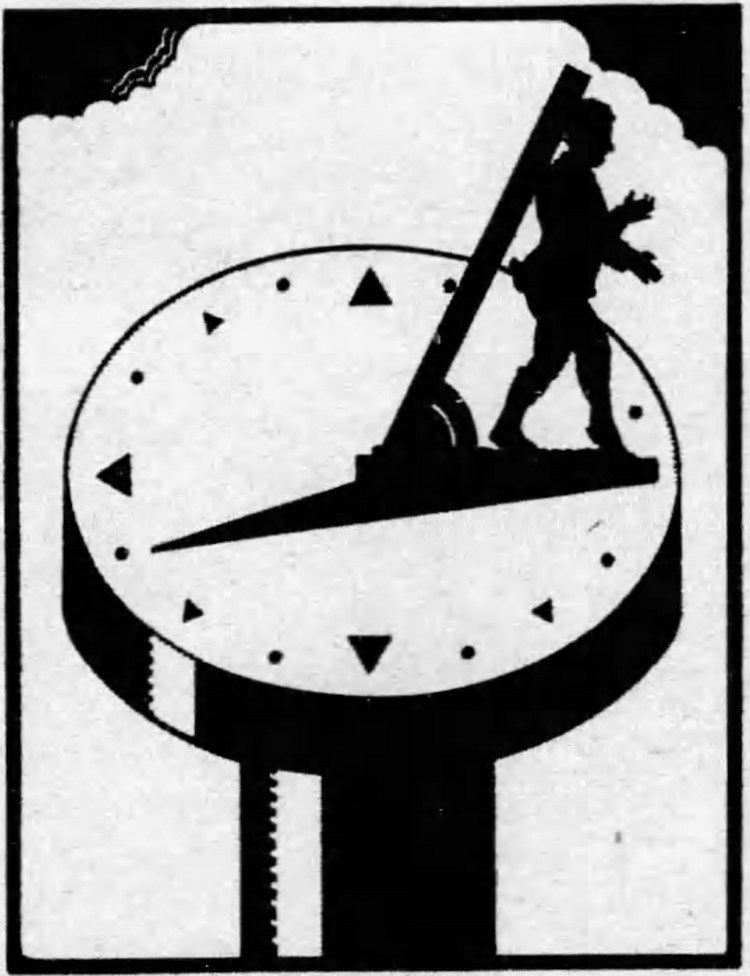
used as a jocular reply by a person who does not have a watch, when asked what the time is—also ‘half past a freckle’, ‘according to the hairs on my wrist’
Read More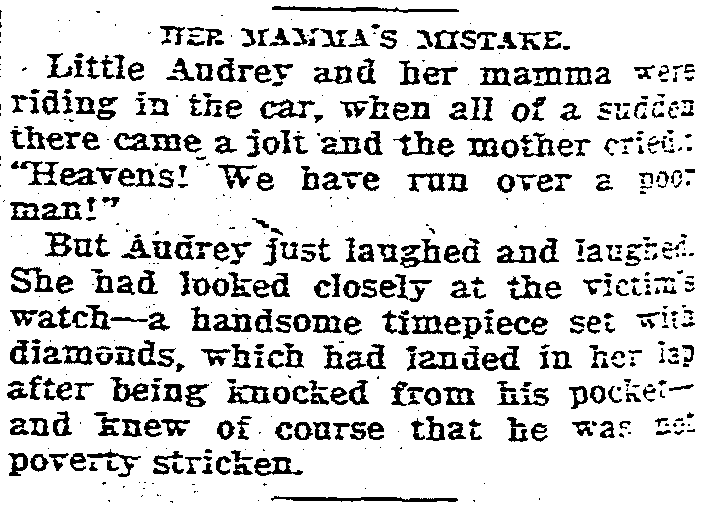
a joke involving a pun or double entendre opening with ‘but little Audrey just laughed and laughed because she knew’—January 1926, Kansas City Star (Missouri)
Read More
UK, mid-1950s—to set a course of exciting or dramatic events in motion—refers to firework instructions such as ‘light the blue touchpaper and retire immediately’
Read More
Britain and USA, early 1900s: over-elaborately dressed—since the mid-19th century, ‘like a Christmas tree’: overelaborateness, heterogeneousness, artificiality
Read More
January 1984—from a television advertisement for the hamburger chain Wendy’s, in which an elderly lady demands where the beef is in a huge hamburger bun
Read MoreUK, 1842—theatre: a long pause during the delivery of a speech—refers to the English actor William Macready (1793-1873), who was given to making long pauses
Read More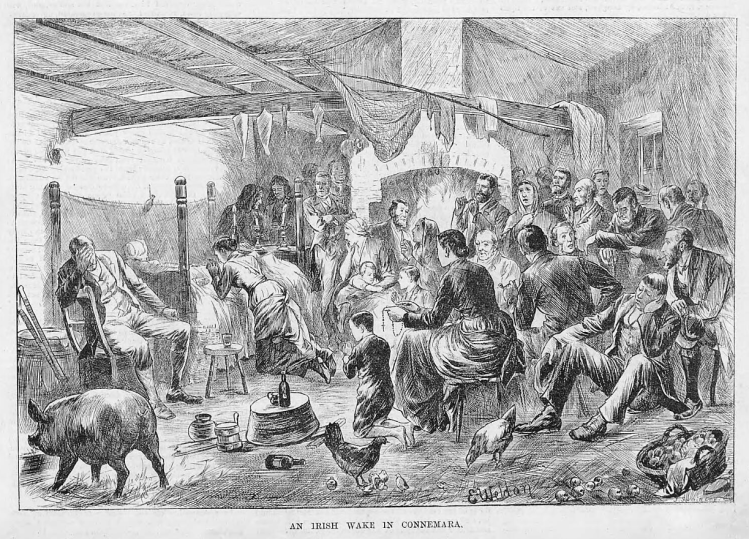
1844—various senses, especially ‘hither and thither’ and ‘lavishly’—from the custom of sharing snuff during a vigil held beside the body of someone who has died
Read More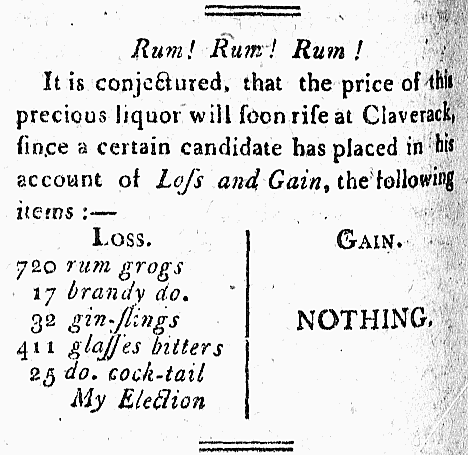
13 May 1806—The Balance, and Columbian Repository (Hudson, New York, USA)—“a stimulating liquor, composed of spirits of any kind, sugar, water, and bitters”
Read More
USA, 1803—associated with a lounger—precise meaning of ‘cocktail’ is not defined, but the word denotes an alcoholic drink apparently taken as hair of the dog
Read More
