a hypothesis as to the origin of ‘to get down to brass tacks’

USA, 1868—‘brass tacks’: the nails studded over a coffin, hence figuratively the end of any possibility of deceit, the return to essentials
Read More
“ad fontes!”
USA, 1868—‘brass tacks’: the nails studded over a coffin, hence figuratively the end of any possibility of deceit, the return to essentials
Read More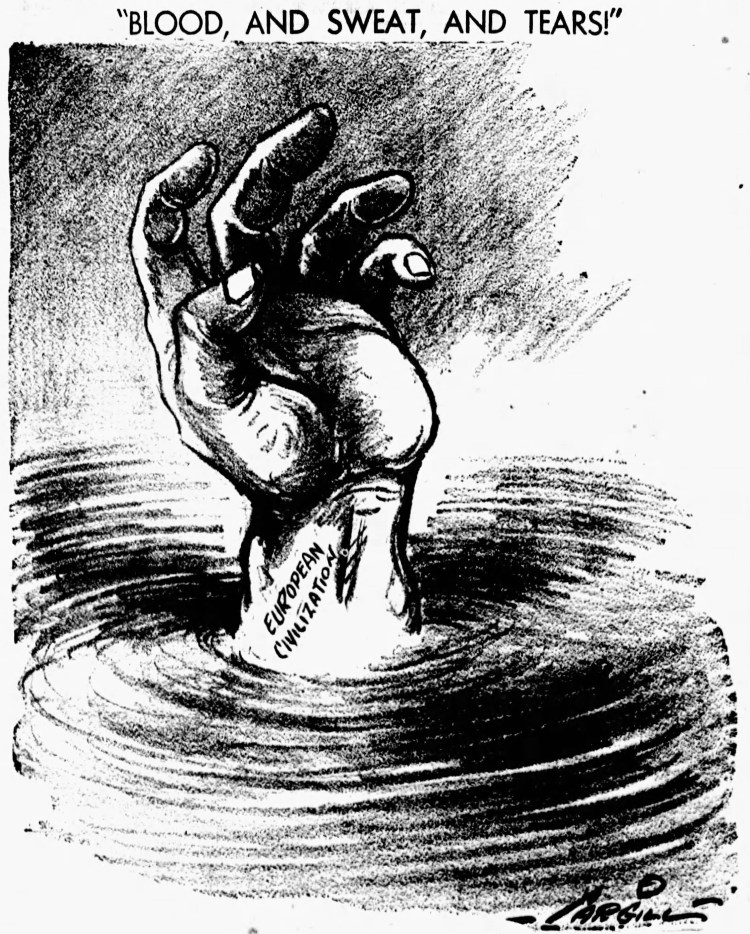
current use seems to allude to a speech by Winston Churchill in May 1940—but the metaphor goes back to the early 17th century
Read MoreUSA, 1918—originally a soldier who had lost all four limbs during the First World War and had to be transported in a basket
Read MoreUK, 1829—a pejorative appellation of the lower classes by the middle and upper classes, although apparently appropriated by the lower classes
Read More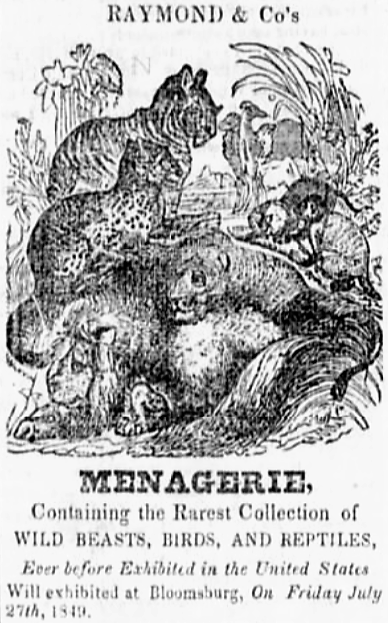
‘to stick out like a sore thumb’ USA, 1868, to be glaringly obvious— ‘to be on hand like a sore thumb’ USA, 1849, to be fully available
Read Morenot originally coined because of the connotation of explosiveness, but because of the connotations of pleasure, beauty and tininess
Read MoreUSA, 1802 and 1851—translations from German—apparently from the idea that the area behind the ears is the last part to become dry after birth
Read More
‘WAGs’ (1987): the wives and girlfriends of the players of the Scottish football team Dundee United F.C.—‘Gwags’ (2006): golfers’ wives and girlfriends
Read More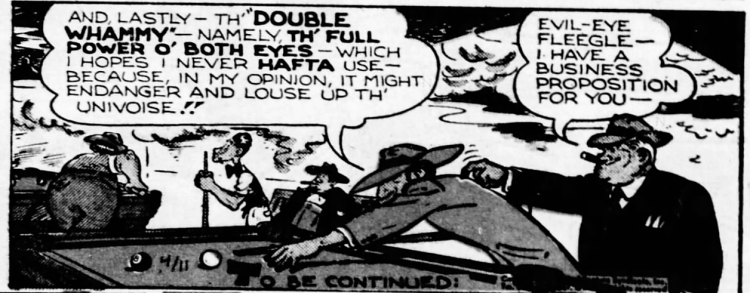
USA—‘whammy’ (baseball, 1927): evil influence or hex—‘double whammy’ (boxing, 1938): evil spell more potent than a whammy
Read More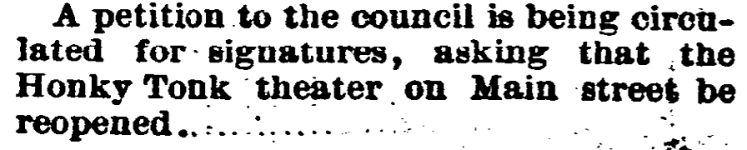
USA—probably a reduplication based on ‘honk’—appeared in Texas as the name of a theatre (1889) and of a variety show (1890)
Read More
