‘don’t hold your breath’: meaning and origin
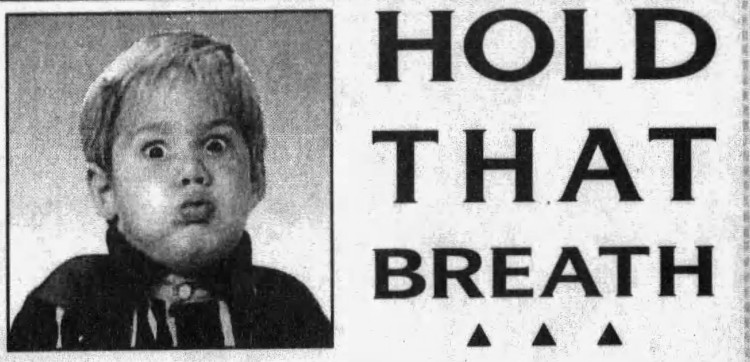
don’t wait in anxious anticipation—USA, 1854—the image is of somebody holding their breath when anxious or excited about something
Read More
“ad fontes!”
don’t wait in anxious anticipation—USA, 1854—the image is of somebody holding their breath when anxious or excited about something
Read More
used ironically of something regarded as prosaic or even thoroughly vulgar—USA, 1869—‘romance’: romantic love idealised for its purity or beauty
Read More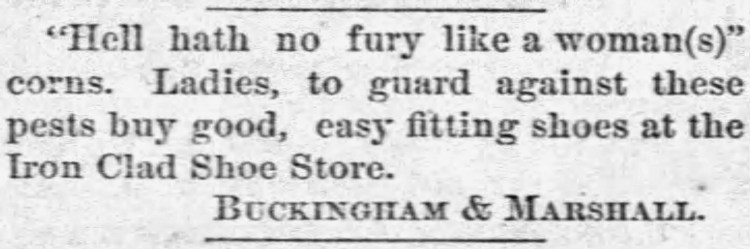
Ireland, 1845: ‘hell has no fury like a woman corned’—puns on ‘hell hath no fury like a woman scorned’, which refers to Congreve’s ‘The Mourning Bride’ (1697)
Read More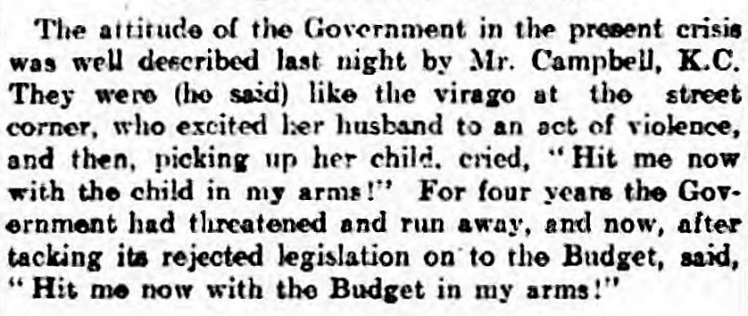
Irish-English phrase—first recorded in 1892—used to express pretended fear of, and/or provocation to, a physical attack
Read More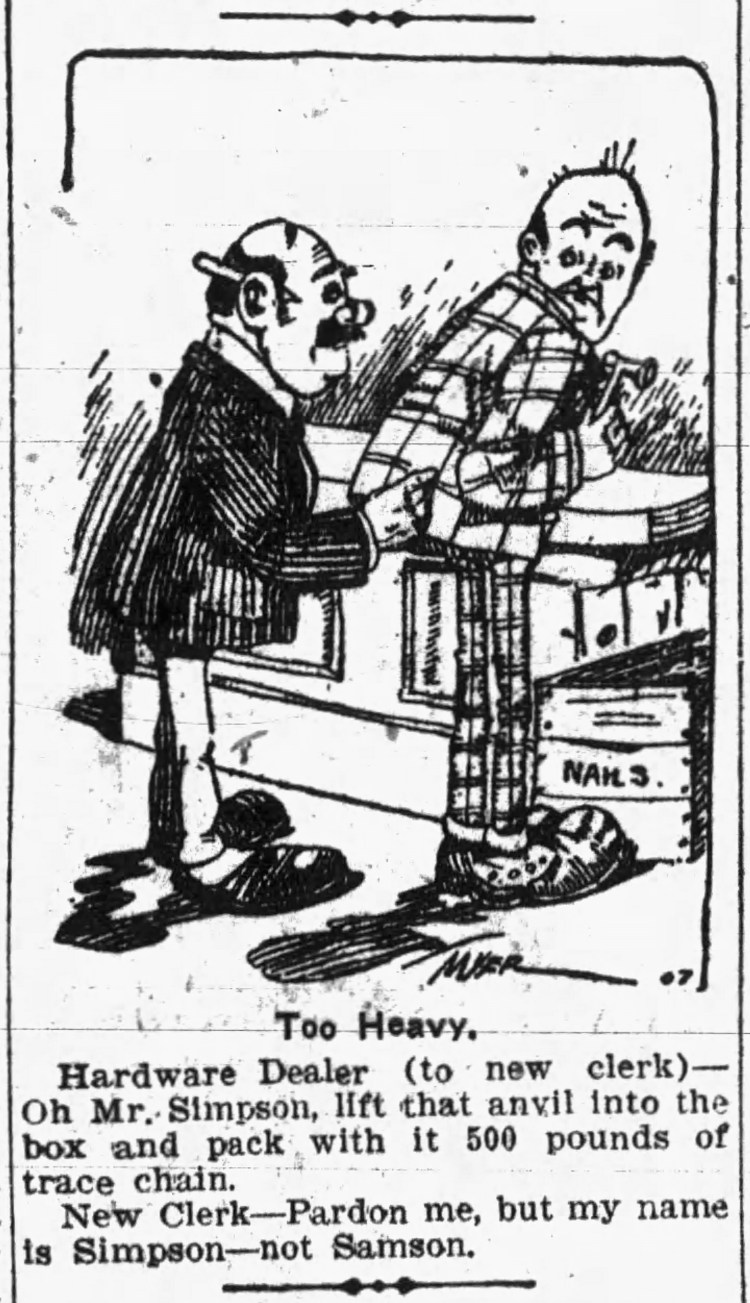
UK, 1906—used by a workman asked to lift too heavy an object—‘Simpson’ chosen for its similarity with ‘Samson’, the name of a biblical hero of enormous strength
Read MoreUK, 1825—the Scots, allegedly verminous, were said to rub themselves against posts erected by the Duke of Argyll and to bless the Duke when doing so
Read More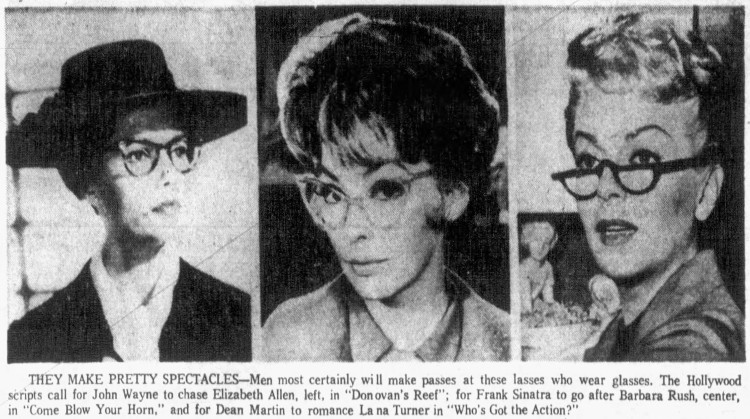
USA—from two-line poem ‘News Item’ (1926), by Dorothy Parker—has given rise to jocular variants, especially playing on ‘glasses’ (eyewear/drinking containers)
Read More
used of a person whose display of distress misleads others into underestimating this distress—UK, 1962—from ‘Not Waving but Drowning’ (1954), by Stevie Smith
Read More
UK, 1976—from “Heineken. Refreshes the parts other beers cannot reach”, an advertising slogan for Heineken lager, in use from 1975 onwards
Read MoreUK, 1963—ostentatious vulgarity in social life—from the literal sense of a fashionably dressed woman whose appearance covers vulgarity
Read More word histories