UK, 1965—in sports such as rugby and soccer: a pass to a player likely to be tackled heavily as soon as the ball is received—the implication is that the player who receives the ball may end up in hospital, or, at least, be injured
USA, 1936—the facts about sexual reproduction, especially as explained to a child—when this phrase appeared, ‘birds’ and ‘bees’ had long been commonly paired in literary allusions
UK, 1828—sleep, especially taken before midnight, assumed to be necessary to keep one looking healthy and attractive; any extra sleep—sleep taken before midnight is popularly thought to be most restful
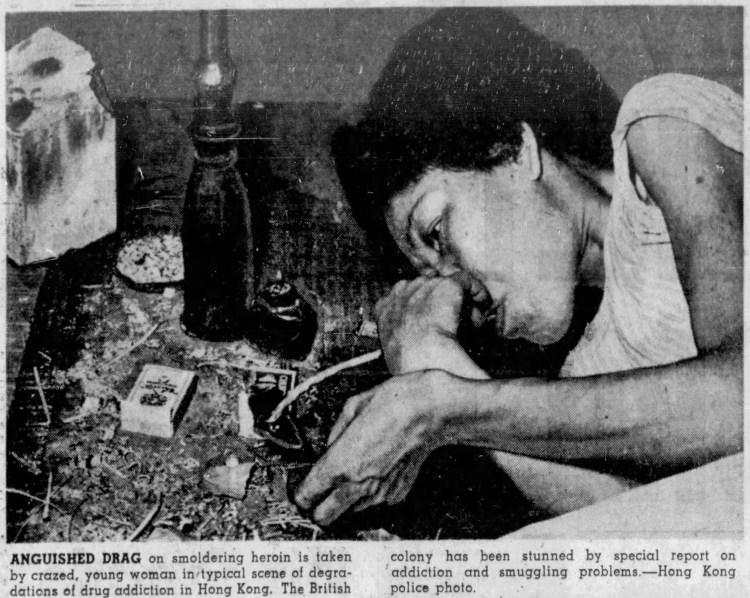
to take heroin by heating it and inhaling the fumes, which form a pattern resembling the tail of a dragon—originated in Hong Kong in the 1950s as a translation of Cantonese slang ‘chui lung’, ‘dragon chasing’
USA, 1889—when a situation reaches a critical point and one must commit oneself to an action or decision—the image is of having to shove when mere pushing is ineffective
USA, 1917—a method of treating a drug addict by sudden and complete withdrawal of the drug, instead of by a gradual process—alludes to the goose pimples, resembling the skin of a cold turkey, that a person experiences as a side effect of the treatment
UK, 1763—extremely quickly or suddenly—in all probability, the male forename ‘Jack’, pet form of ‘John’, typifies an ordinary man, and the surname ‘Robinson’ is a generic personal name
Australia, 1982—a stretch of Oxford Street, in Sydney, which is the city’s main gay district—refers to the use of Vaseline to ease anal intercourse, and based on the alliteration in /v/