sexual origin of ‘merrythought’ (‘wishbone’)
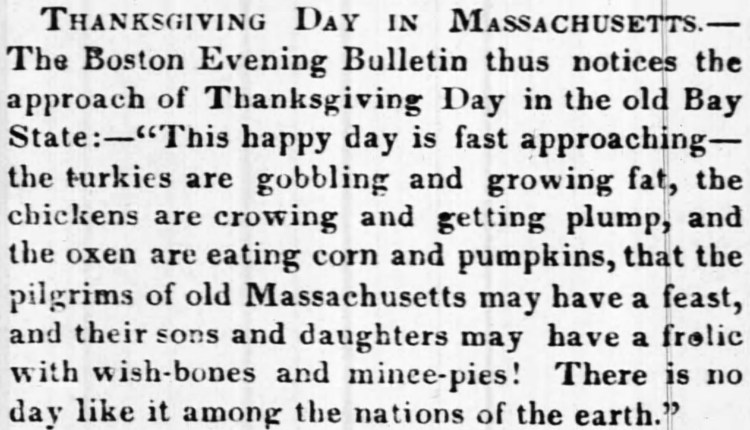
‘merrythought’, late 16th century— the forked bone between the neck and breast of a bird—so called from its resemblance to a woman’s external genitals
Read More
“ad fontes!”
‘merrythought’, late 16th century— the forked bone between the neck and breast of a bird—so called from its resemblance to a woman’s external genitals
Read More1611—from French ‘omelette’, ultimately an alteration of ‘lemelle’, ‘knife blade’ (from Latin ‘lamella’), with reference to the flattened shape of the dish
Read Moreto return to the matter in hand—from French ‘revenons à nos moutons’ (‘let’s return to our sheep’), allusion to ‘La Farce de Maistre Pierre Pathelin’ (ca 1457)
Read More
USA, early 19th century—‘small potatoes’: person or thing considered petty, unimportant, insignificant or worthless
Read Moremid-19th cent.—perhaps from a specific application of the general term of abuse ‘Frog’, aided by the shared initial consonant cluster in ‘French’ and ‘frog’
Read More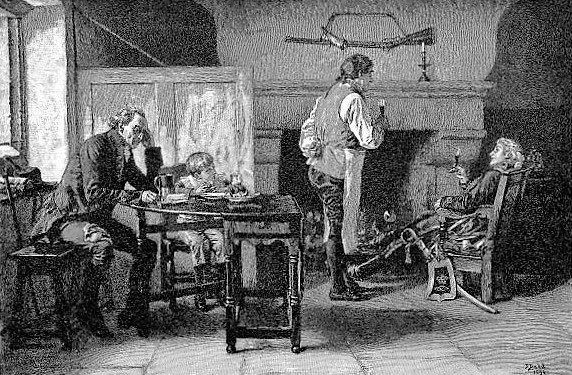
‘small beer’: ‘person(s) or matter(s) of little or no importance’ (first use by Shakespeare), from the literal sense ‘beer of a weak, poor or inferior quality’
Read MoreOrigin: for purposes of fasting, food was divided into categories – ‘fish’, the flesh of fish, ‘flesh’, the flesh of land-animals, ‘fowl’, the flesh of birds.
Read Moreearly 20th century—refers to the method of tempting a donkey to move forward by dangling a carrot before it, and beating it with a stick if it refuses
Read More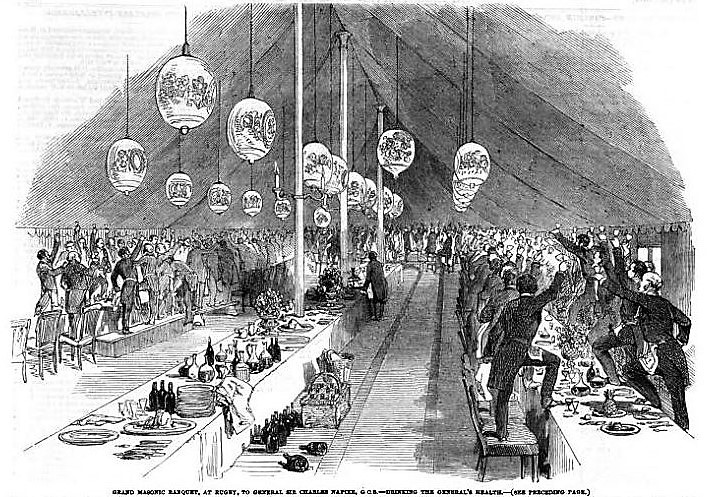
‘beano’, abbreviation of ‘beanfeast’: an enjoyable time; originally an annual dinner, given by employers to employees, or held by organisations or clubs
Read More‘madeleine’: originally ‘gâteau à la Madeleine’ (late 18th cent.), perhaps named after French cook Madeleine Paumier – refers also to Swann’s Way, by Proust
Read More word histories