USA, 1901—wonderfully stylish, elegant or fashionable—a blend of ‘swell’ and ‘elegant’—popularised by its use in the song Well, Did You Evah!, interpreted by Bing Crosby and Frank Sinatra in the 1956 film High Society
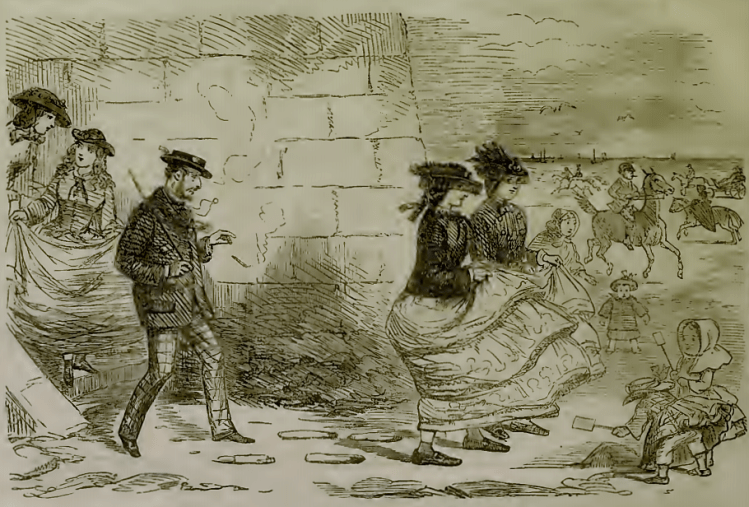
denotes a foot or a boot, especially a big one—1856, in the caption to a cartoon by John Leech, published in Punch (London, England): “A vulgar and disgusting expression, implying that a foot is big enough, and flat enough, to kill Black-beetles”
UK and USA, 1889—used of anything that is speciously high-class in appearance, but is commonplace in reality—‘Queen Anne’ means ‘beautiful’, as opposed to ‘Mary Ann’, meaning ‘vile’; ‘low’; ‘mean’
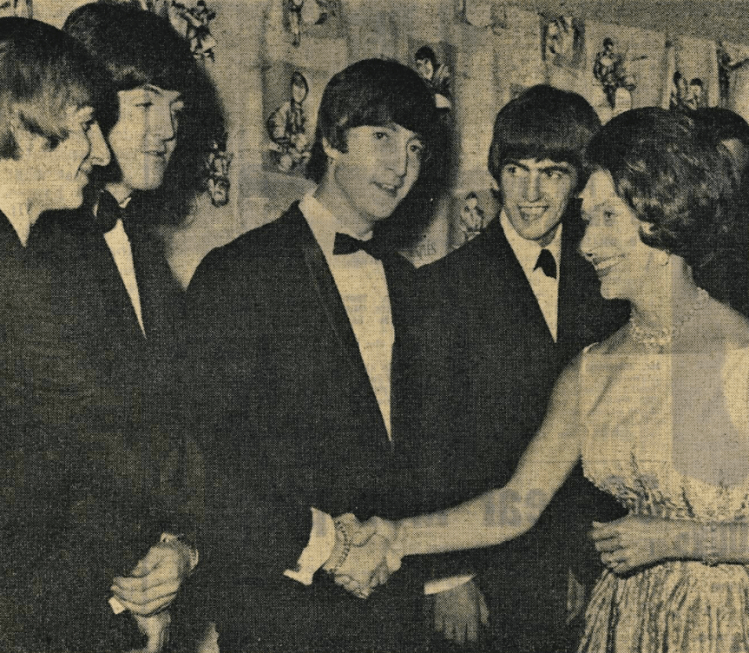
UK—a general term of disapproval, meaning ‘unpleasant’, ‘dirty’, ‘nasty’, ‘ugly’, etc.—shortened form of ‘grotesque’—first recorded in (and popularised by) A Hard Day’s Night (1964), a musical comedy film starring the Beatles
UK, 1975—old-fashioned; out of date—perhaps a humorous alteration of the adjective ‘antique’, perhaps punningly after the adjective ‘wacky’—or perhaps derived from ‘Ann Twack’, rhyming slang for ‘crap’
UK, 2005—used rhetorically to express indifference to, or a lack of concern about, something—originally (2004) a catchline used by Lauren, a teenage girl interpreted by the British comedian Catherine Tate in the British television comedy series The Catherine Tate Show
UK, 1897—‘Piccadilly window’: a monocle—hence ‘Piccadilly-windowed’: monocled—alludes to ‘Piccadilly’, the name of a street and of a circus (i.e., a rounded open space) in London
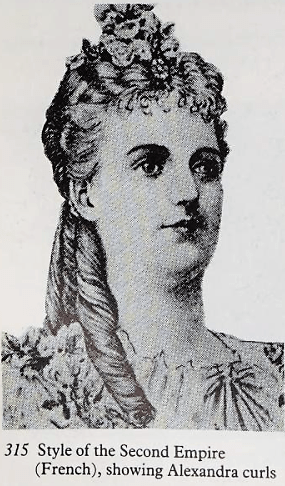
UK, 1869—a limping gait affected by some members of fashionable society in imitation of Alexandra of Denmark, who developed a limp after contracting rheumatic fever in 1867—‘Alexandra’ was used to form compounds designating things popularised by, or associated with, Alexandra of Denmark, consort of Edward VII
American English—a surge of extremely cold air which causes rapid falls in temperature and severe wintry weather in central and eastern areas of the United States and Canada—after ‘Trans-Siberian Express’, the name of a railway running from Moscow to Vladivostok on the Sea of Japan





 word histories