‘neatnik’: meaning and origin
USA, 1959—a very tidy, well-organised person—a blend of the adjective ‘neat’ and of the noun ‘beatnik’—originally occurred chiefly in contrast to ‘beatnik’
Read More
“ad fontes!”
USA, 1959—a very tidy, well-organised person—a blend of the adjective ‘neat’ and of the noun ‘beatnik’—originally occurred chiefly in contrast to ‘beatnik’
Read More
UK, 1989—refers to Manchester, in north-western England, as a centre of popular music and club subculture in Britain in the late 1980s and early 1990s—blend of ‘mad’ and ‘Manchester’
Read More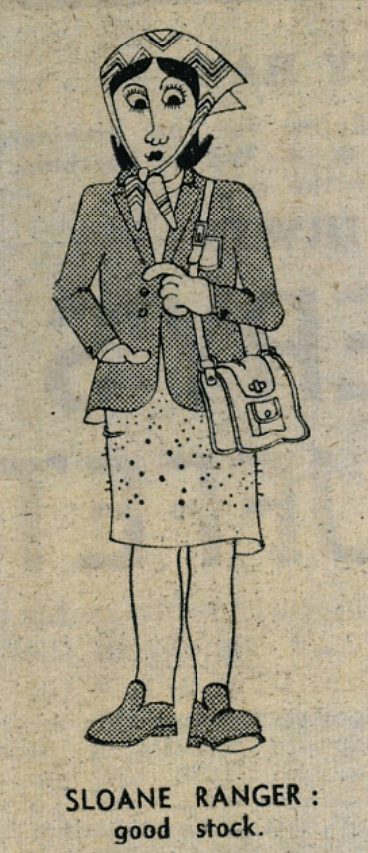
UK, 1975—an upper-class and fashionable, but conventional, young woman in London—blend of ‘Sloane Square’, the name of a square located in an affluent area of London, and ‘Lone Ranger’, the name of a well-known hero of western stories and films
Read More
USA, 1929—UK, 1933—in the phrase ‘a spare tyre around the waistline’, and its variants, the noun ‘spare tyre’ denotes a roll of fat
Read More
1943—‘brothel-creepers’ (also ‘brothel-creeper shoes’ and ‘creepers’): denotes soft-soled shoes—refers to the stealthiness that those shoes permit
Read More
UK, 1969—a young man of a working-class subculture, characterised by close-cropped hair, heavy boots and functional clothing, and behaving in an aggressive or violent way—‘bovver’ represents a nonstandard pronunciation of ‘bother’
Read More
American English—1902: bare feet (used of Doukhobors, i.e., members of a Christian sect that originated in Russia, many members of which emigrated to Canada in the late 19th and early 20th centuries)—1965: open-toed leather sandals of a simple or functional style (used of young persons)
Read MoreUSA, 1986—ugly spectacles, in particular army-issue spectacles—the image is that those spectacles are so ugly that nobody would want to make a baby with somebody wearing a pair—also ‘BCGs’
Read MoreAustralia, 1972—a person, usually a man, who, in spite of a superficial smartness, is untrustworthy—‘rat’ refers to a deceitful or disloyal man—the image is that, despite the gold tooth, a rat’s basic nature cannot change
Read More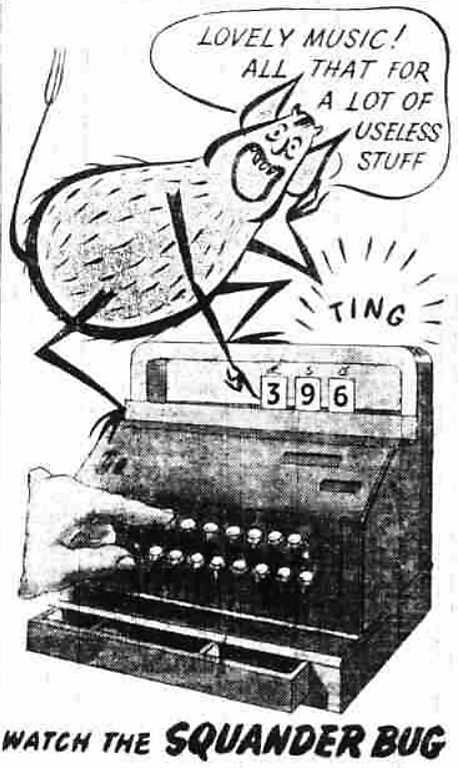
1943—a devilish insect symbolising reckless extravagance and waste—introduced by the National Savings Committee in a government publicity campaign promoting economy—hence: one who is profligate with money or resources
Read More word histories