USA, 1916—used in collocation to seek or provide clarification between the two main meanings of ‘funny’: ‘funny-ha-ha’ means ‘funny’ in the sense ‘amusing’ or ‘comical’ – ‘funny-peculiar’ means ‘funny’ in the sense ‘strange’ or ‘peculiar’.
UK, 1945—‘demob happy’: feeling elated in anticipation of demobilisation from the armed forces—hence: in anticipation of the end of a job, assignment, etc.—in extended use: in anticipation of the end of any onerous or unpleasant period
UK, 1823—‘a hurried departure at night, especially from rented accommodation to avoid payment of rent owed’—‘flit’, noun use of ‘to flit’, originally used in Scotland and Northern England to mean ‘to move house or leave one’s home’
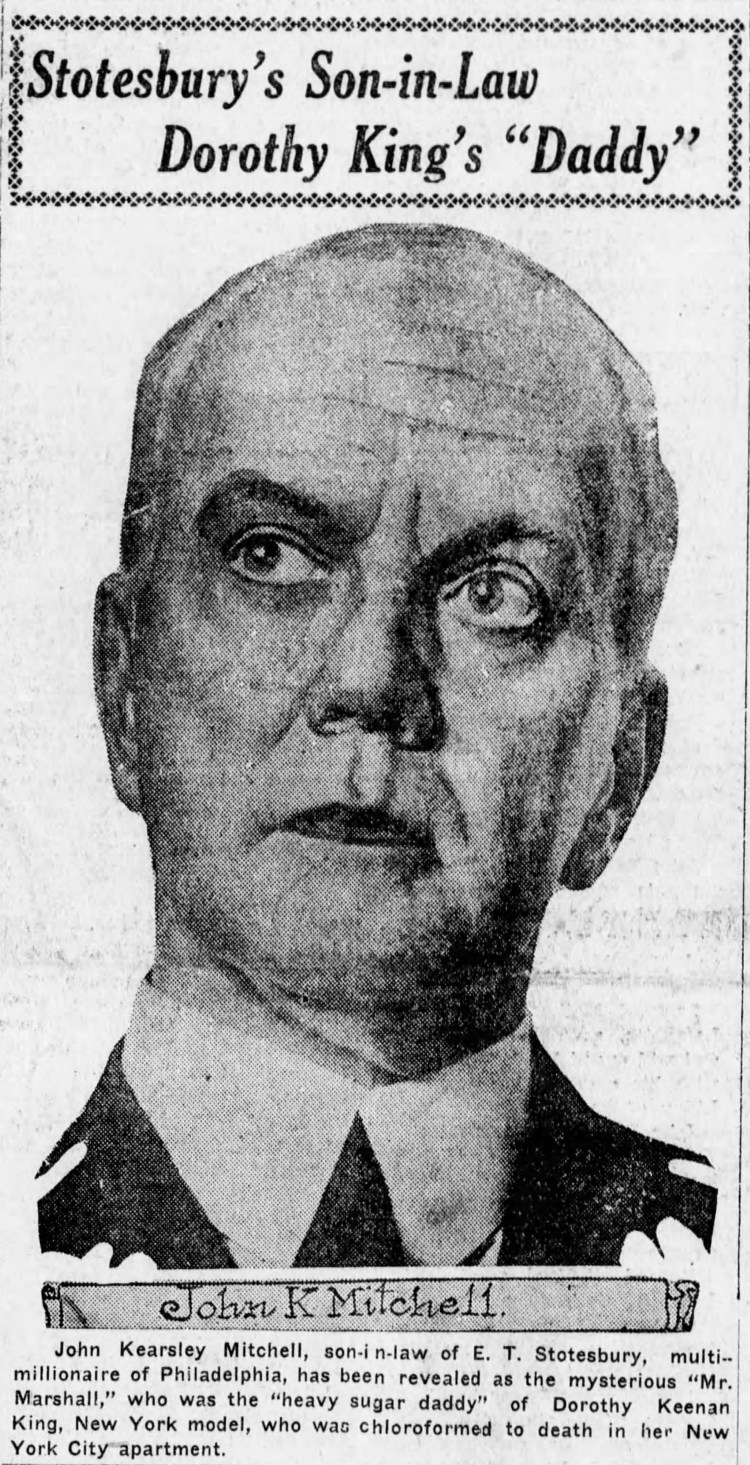
from ‘heavy-sugar daddy’ (USA, 1923), popularised by the murder of Anna Keenan (a.k.a. Dorothy King), who was a ‘heavy-sugar baby’, i.e., a woman ‘coated’ with ‘sugar’ (i.e., money) by a ‘daddy’ (i.e., an older man)
UK, 1788—denotes an auction in which the price is lowered by stages until a buyer is found—said to have been invented by the Dutch specifically as the best solution to selling tulip bulbs
USA—‘to go Dutch’ (1907): to have every participant pay their own expenses, or share expenses equally—via ‘to go Dutch treat’ (1887), from ‘Dutch treat’ (1873): a meal, etc., at which each participant pays their share of the expenses—from a German practice
UK, 1967—chiefly British—‘bums on seats’: the members of an audience, at a theatre, cinema or other place of entertainment, especially when viewed as a source of income
1763 in French, 1798 in English—from the name of Étienne de Silhouette (1709-67), Controller-General of Finances in 1759—perhaps because he might have invented the portrait in profile obtained by tracing the outline of a head or figure by means of its shadow
‘Sydney or the bush’: all or nothing (1902)—based on the metaphorical opposition between an easy life in the city and a hard life working in the outback, this phrase was apparently originally used by people risking all on the toss of a coin.
British English: a drinking tour of a number of pubs or bars—but first appeared in 1909 with specific reference to an organised form of propaganda consisting in sending a person from pub to pub in order to promote the Conservative cause