a hypothetical ordinary working man—USA, 1970—refers to a man who buys beer in six-packs—apparently coined by a political informant on the blue-collar area of Fields Corner in Dorchester, neighbourhood of Boston, Massachusetts
refers to “All right, have it your own way—you heard a seal bark”, the caption to a drawing by James Thurber, originally published in The New Yorker of 30th January 1932
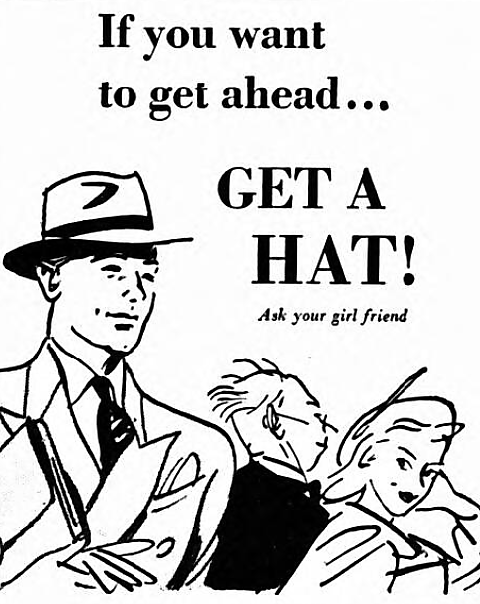
one must wear a hat in order to become successful in one’s life or career—originally the slogan for an advertising campaign organised in 1948 by the British hat-manufacturers when hat-wearing began to decline
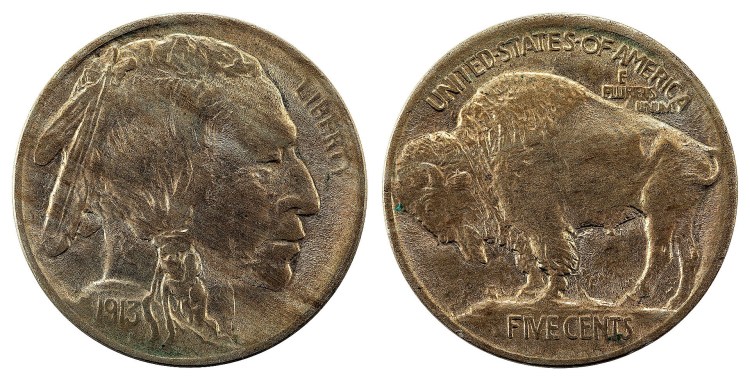
to be extremely tight with money—USA, 1926—refers to the five-cent coin, struck from 1913 to 1938, featuring a Native American on one side and a bison on the other
USA, 1944—was used when a cattle-owner let the autumn book tally stand all winter and sold out the herd on that basis, no matter how many head froze or got stolen over winter
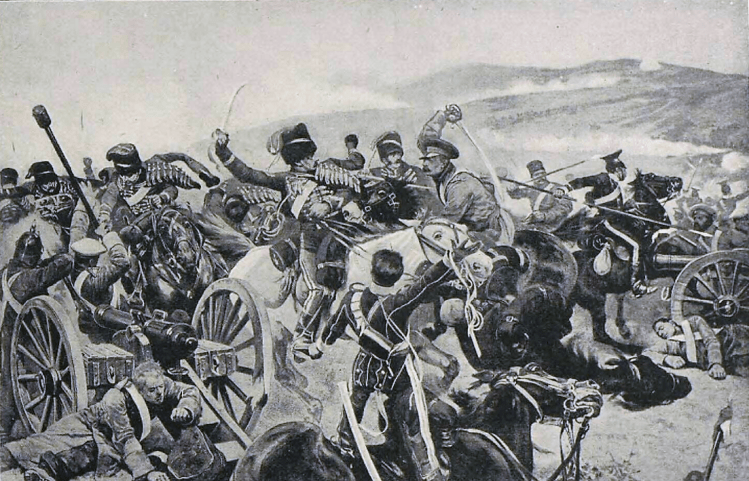
alludes to a British cavalry charge in 1854 during the Battle of Balaclava in the Crimean War—the phrase has had a variety of meanings, depending on the acceptation in which ‘charge’ has been used
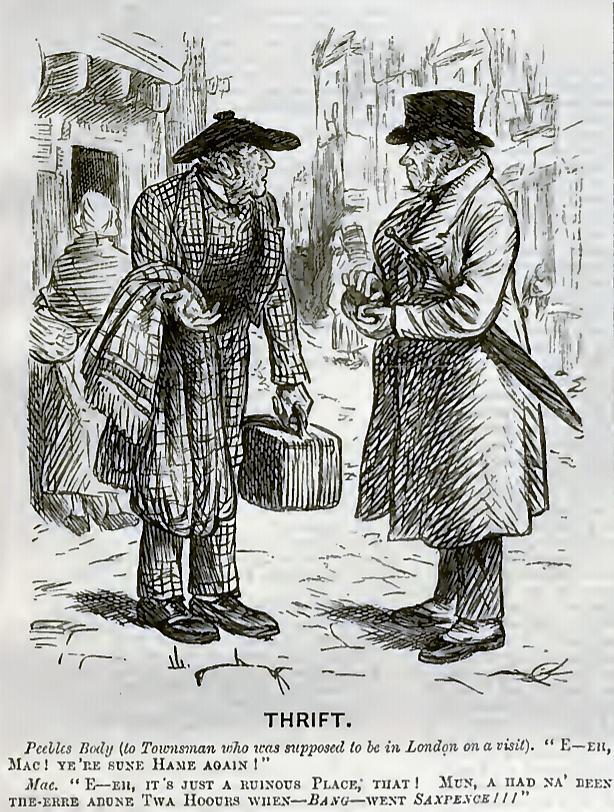
UK, 1870—based on the stereotype of Scots being miserly—from the story of the Scotsman who complained that he had to spend, in London, the small sum of sixpence
UK, 1907—the ideal of an unmarried woman—the phrase was especially used when offering to an unmarried woman the last cake or piece of bread from a plate