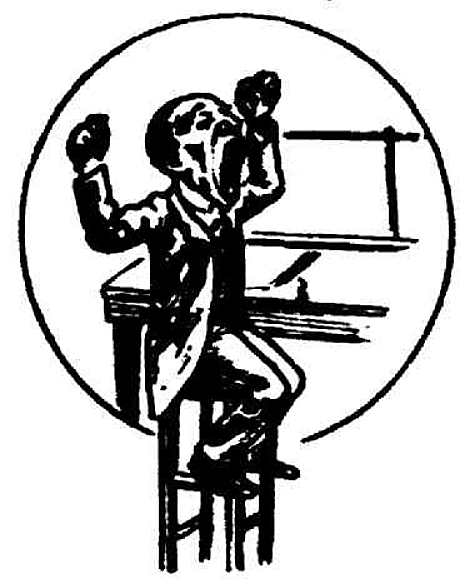
reluctance to attend school or work, or a reduction in working efficiency, experienced on a Monday morning—UK and USA, 1908; Australia, 1910—the suffix ‘-itis’ is applied to a state of mind or tendency fancifully regarded as a disease
UK, 1883—a gesture of derision made by putting one’s thumb to one’s nose and outspreading the fingers like a fan; can be intensified by joining the tip of the little finger to the thumb of the other hand, whose fingers are also outspread fanwise—the motivation for the choice of ‘Queen Anne’ is unknown
1966—With punning allusion to the high cost of living in that affluent harbourside suburb of Sydney, New South Wales, Double Bay is colloquially referred to as ‘Double Pay’.
Australia, 1900: rabbit meat—later also: rabbits—‘mutton’, denoting a choice meat, was derisively substituted for ‘rabbit’, denoting the inferior meat that had to be eaten when butcher’s meat was too costly
Australia—to test somebody’s fortitude; to put pressure on somebody—coined in 1983 by Neville Wran, Premier of New South Wales, to characterise the inexperience of Nick Greiner, the newly elected Leader of the Opposition
Irish English, 1834—extremely cold, literally (i.e., with reference to low temperatures) and figuratively (i.e., with reference to lack of feeling, of emotion)
France, 1891; UK, 1908—a sandwich filled with ham and cheese, and toasted or grilled—from ‘croque’, conjugated form of the verb ‘croquer’, to bite, to crunch, and the noun ‘monsieur’ (the reason that this noun was chosen is unknown)
Australia, 1930—describes a person who is reluctant, or very slow, to pay for something—the image is of a snake biting the person when they put their hand in their pocket to get at their money
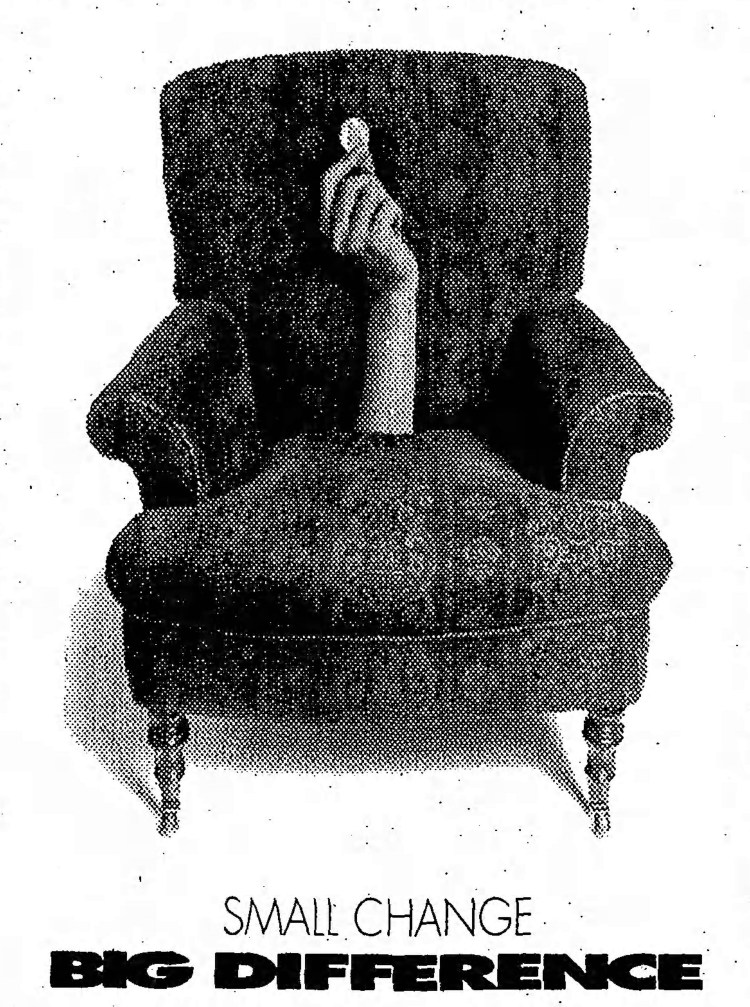
UK and Ireland—the small change that has slipped down between the cushions and the back, or the arms, of a sofa—also used figuratively: public funds that are ‘miraculously’ found; permanent end; wasted money
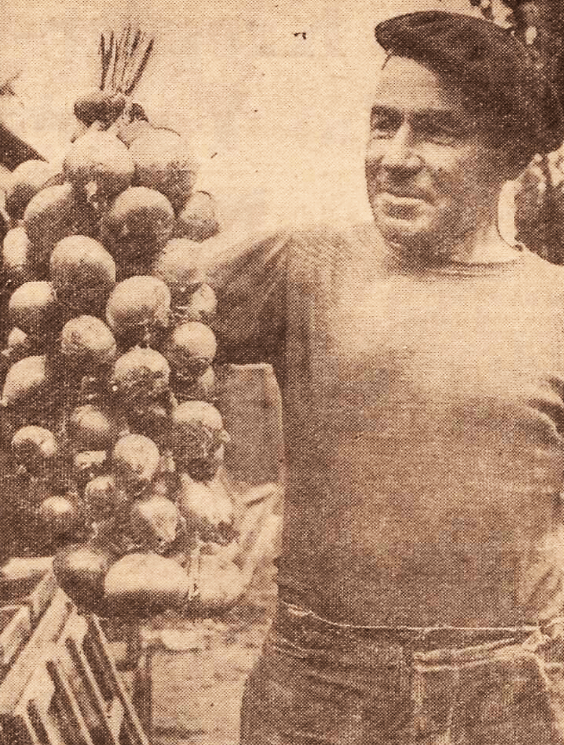
UK, 1877—an onion-seller from Brittany who sold onions door-to-door around the coasts of Britain—used with modifying word, ‘Johnny’ designates a person of the type, profession, etc., specified