‘the books won’t freeze’: meaning and purported origin
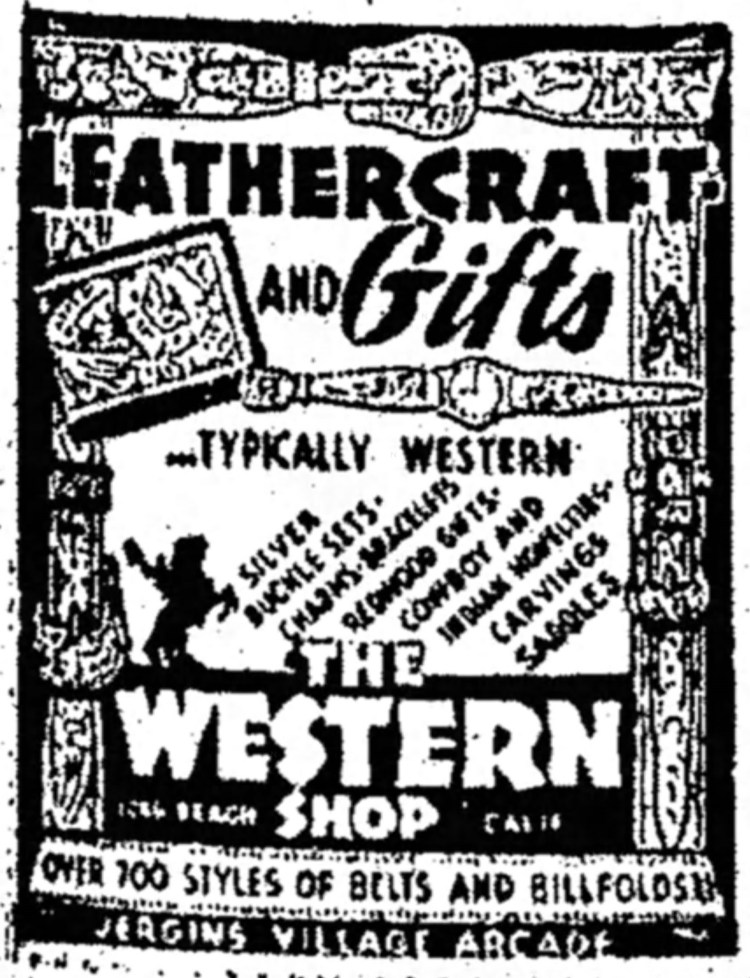
USA, 1944—was used when a cattle-owner let the autumn book tally stand all winter and sold out the herd on that basis, no matter how many head froze or got stolen over winter
Read More
“ad fontes!”
USA, 1944—was used when a cattle-owner let the autumn book tally stand all winter and sold out the herd on that basis, no matter how many head froze or got stolen over winter
Read More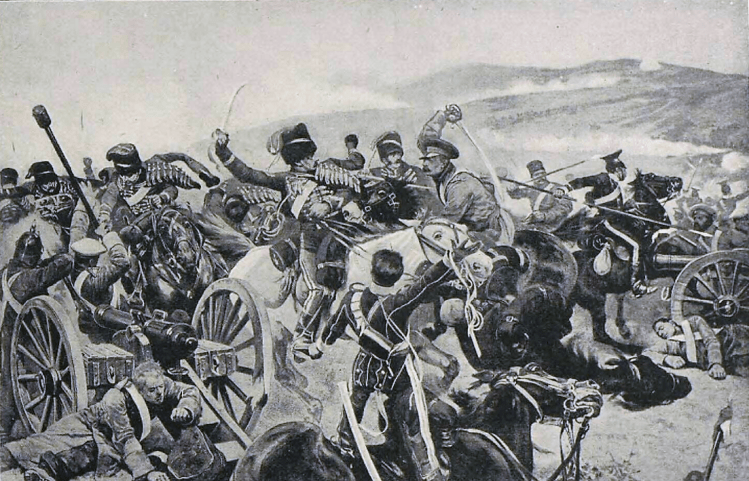
alludes to a British cavalry charge in 1854 during the Battle of Balaclava in the Crimean War—the phrase has had a variety of meanings, depending on the acceptation in which ‘charge’ has been used
Read More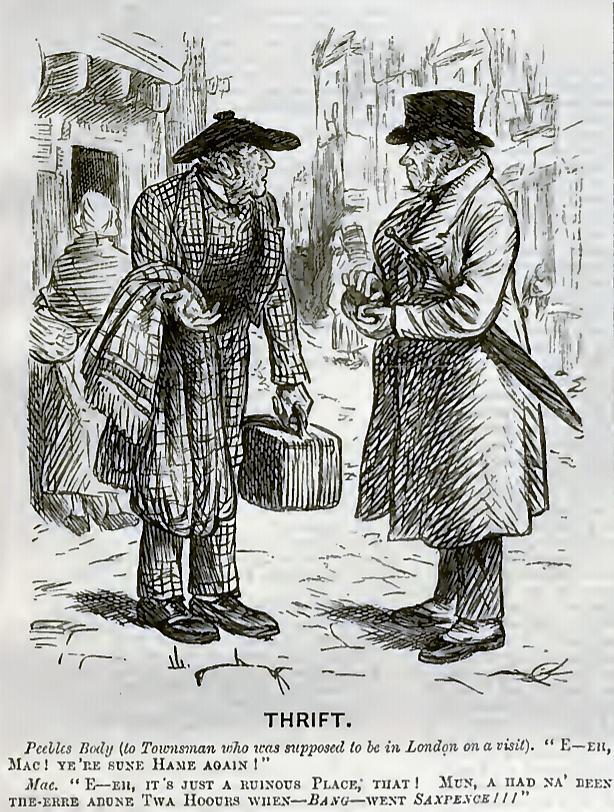
UK, 1870—based on the stereotype of Scots being miserly—from the story of the Scotsman who complained that he had to spend, in London, the small sum of sixpence
Read More
USA, 1919—‘spare no expense’—also ‘go all out for it’, ‘hand victory on a platter’, ‘allow yourself more of what you want’ (South Africa)
Read MoreUK, 1907—the ideal of an unmarried woman—the phrase was especially used when offering to an unmarried woman the last cake or piece of bread from a plate
Read More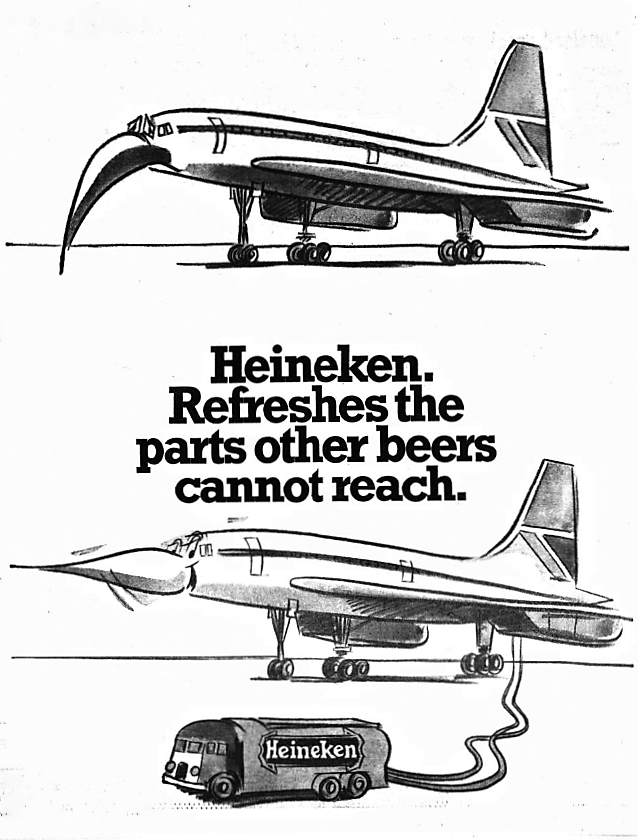
UK, 1976—from “Heineken. Refreshes the parts other beers cannot reach”, an advertising slogan for Heineken lager, in use from 1975 onwards
Read MoreUK, 1963—ostentatious vulgarity in social life—from the literal sense of a fashionably dressed woman whose appearance covers vulgarity
Read More
UK, 1899—warning that touring actors wrote in the visitors’ books of low-quality lodgings—alludes to ‘Quoth the raven, “Nevermore.”’ in Edgar Poe’s ‘The Raven’
Read More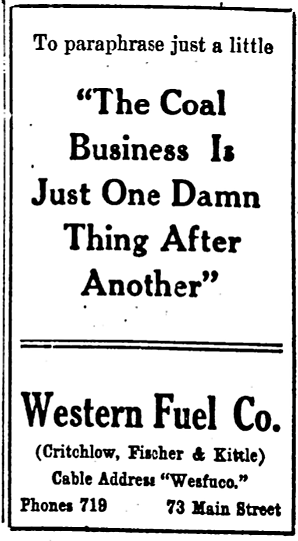
USA, 1909—first with grammatical subject ‘life’, meaning ‘life consists of a succession of unpleasant or unlucky events’—then with other grammatical subjects
Read Moredon’t be so niggardly with your money—USA, 1935—the image is of moths that are living in a purse or wallet because it is not frequently opened
Read More word histories