‘Double Pay’: meaning and origin of this Australian phrase
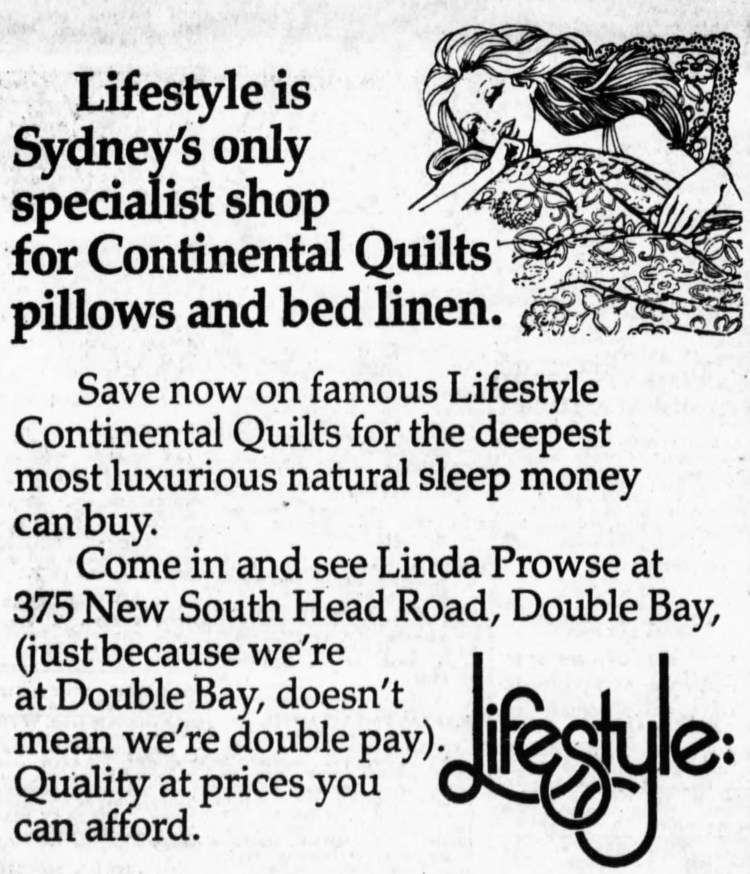
1966—With punning allusion to the high cost of living in that affluent harbourside suburb of Sydney, New South Wales, Double Bay is colloquially referred to as ‘Double Pay’.
Read More
“ad fontes!”
1966—With punning allusion to the high cost of living in that affluent harbourside suburb of Sydney, New South Wales, Double Bay is colloquially referred to as ‘Double Pay’.
Read MoreAustralia, 1900: rabbit meat—later also: rabbits—‘mutton’, denoting a choice meat, was derisively substituted for ‘rabbit’, denoting the inferior meat that had to be eaten when butcher’s meat was too costly
Read MoreAustralia—to test somebody’s fortitude; to put pressure on somebody—coined in 1983 by Neville Wran, Premier of New South Wales, to characterise the inexperience of Nick Greiner, the newly elected Leader of the Opposition
Read MoreIrish English, 1834—extremely cold, literally (i.e., with reference to low temperatures) and figuratively (i.e., with reference to lack of feeling, of emotion)
Read MoreFrance, 1891; UK, 1908—a sandwich filled with ham and cheese, and toasted or grilled—from ‘croque’, conjugated form of the verb ‘croquer’, to bite, to crunch, and the noun ‘monsieur’ (the reason that this noun was chosen is unknown)
Read MoreAustralia, 1930—describes a person who is reluctant, or very slow, to pay for something—the image is of a snake biting the person when they put their hand in their pocket to get at their money
Read More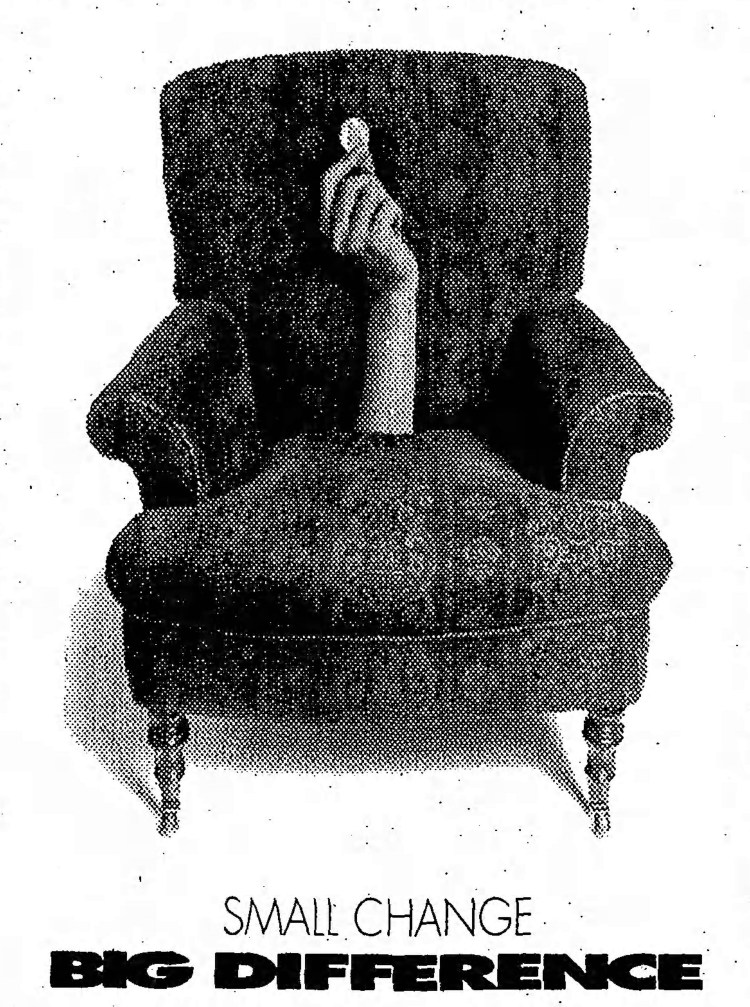
UK and Ireland—the small change that has slipped down between the cushions and the back, or the arms, of a sofa—also used figuratively: public funds that are ‘miraculously’ found; permanent end; wasted money
Read More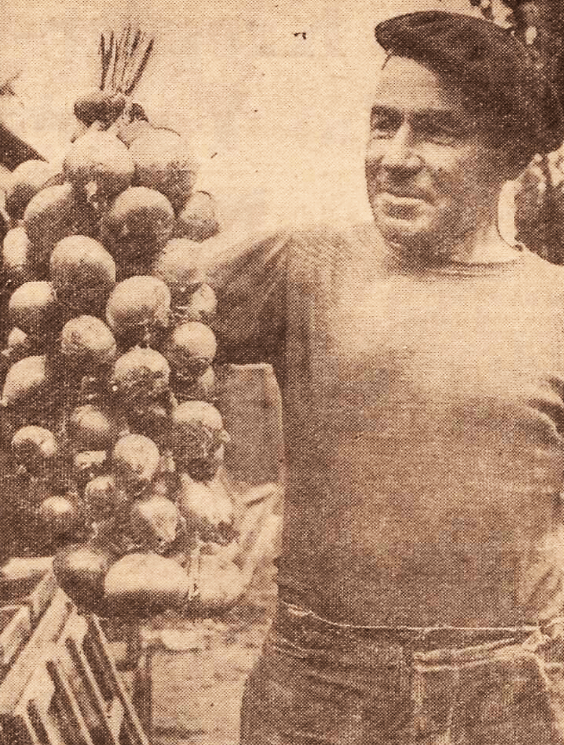
UK, 1877—an onion-seller from Brittany who sold onions door-to-door around the coasts of Britain—used with modifying word, ‘Johnny’ designates a person of the type, profession, etc., specified
Read Morea hypothetical ordinary working man—USA, 1970—refers to a man who buys beer in six-packs—apparently coined by a political informant on the blue-collar area of Fields Corner in Dorchester, neighbourhood of Boston, Massachusetts
Read More
refers to “All right, have it your own way—you heard a seal bark”, the caption to a drawing by James Thurber, originally published in The New Yorker of 30th January 1932
Read More word histories