‘fudge factor’: meaning and origin
a factor speculatively included in a hypothesis or calculation, especially to account for some unquantified but significant phenomenon or to ensure a desired result—USA, 1947
Read More
“ad fontes!”
a factor speculatively included in a hypothesis or calculation, especially to account for some unquantified but significant phenomenon or to ensure a desired result—USA, 1947
Read MoreUSA—(1957) of computer data: incorrect or poor-quality input will produce faulty output—also applied (1964) to processes likened to computerised data processing
Read Moreused of something impossible to obtain or achieve—1796—the image is of an illusory quest for the treasure supposed to lie where the rainbow appears to touch the ground
Read More
a cheap suit of clothes; a (cut-price) tailoring business—UK, 1920, informal—refers to Harry Mallaby-Deeley (1863-1937), a Member of Parliament who opened a cut-price tailoring business in 1920
Read Moreto take away from one person, cause, etc., in order to pay or confer something on another; to discharge one debt by incurring another—late 14th century—from the association of ‘Peter’ and ‘Paul’, the names of two leading apostles and saints, and fellow martyrs at Rome
Read Morethe political, military or economical threat regarded as being posed by certain peoples of South-East and East Asia, especially the Chinese and the Japanese—UK, 1895—loan translation from French ‘péril jaune’
Read More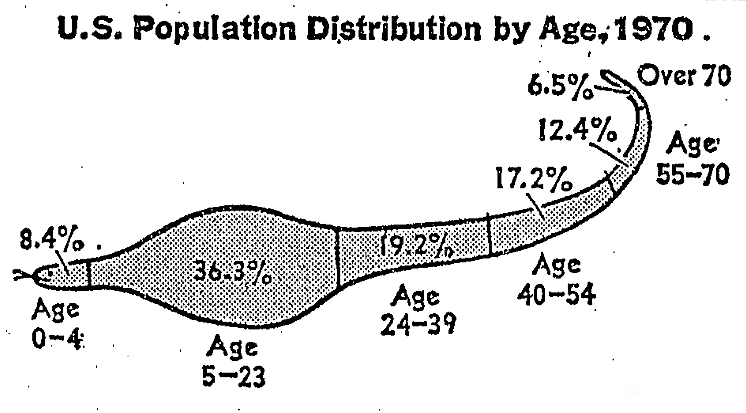
Canada, 1970—the people who were born during the ‘baby boom’ of the years immediately following WWII, considered as a demographic bulge—any short-term increase or notably large group
Read Morea reader of, or a writer in, The Guardian, seen as being typically left-wing, liberal and politically correct—UK, 1997—The Guardian is a centre-left newspaper published in London and Manchester, England
Read Moreto ensure that politicians, large business organisations, etc., behave fairly and openly, and are accountable for their actions—Australia, 1980—coined by Don Chipp, Leader of the Australian Democrats, with reference to the major political parties
Read MoreUK, 1804—literal meaning: a robbery committed during daylight hours, often characterised as particularly conspicuous or risky—figurative meaning: blatant and unfair overcharging or swindling
Read More word histories