‘molly the monk’: meaning (and origin?)
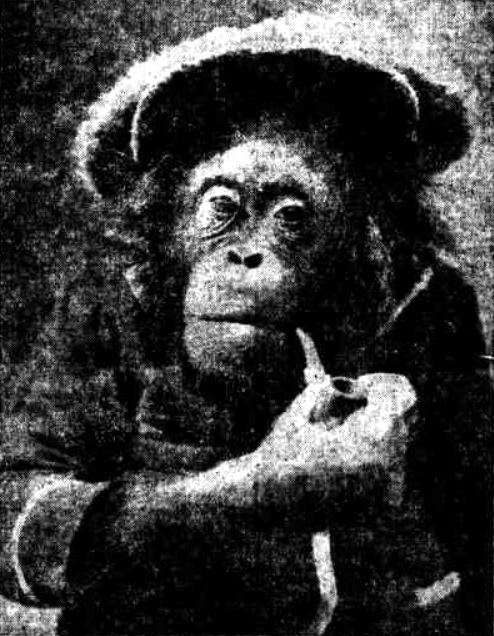
rhyming slang for ‘drunk’—Australia, 1952—may have originally alluded to ‘Molly the Monk’, the name given in Australia to various primates kept in captivity or used for entertainment
Read More
“ad fontes!”
rhyming slang for ‘drunk’—Australia, 1952—may have originally alluded to ‘Molly the Monk’, the name given in Australia to various primates kept in captivity or used for entertainment
Read Morea drink of frothy milk, designed as an alternative to coffee for young children—also: a small cup of cappuccino—Australia, 1995—from ‘baby’ and ‘‑ccino’ in ‘cappuccino’
Read Morea schoolchild responsible for distributing servings of milk to other children—USA, 1922—UK, 1935
Read MoreUSA, 1956—diarrhoea suffered by travellers, originally and especially in Mexico—borrowed from Spanish ‘turista’, translating as ‘tourist’
Read Moreindicates that a place or event is one to which guests may or should bring their own alcoholic drink—UK, 1858—USA, 1910—in early U.S. use, often referred to the prohibition of alcohol
Read More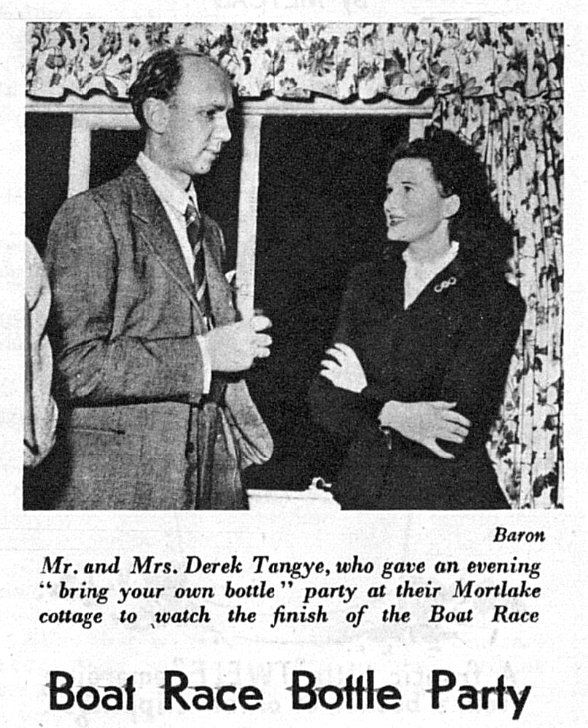
a party to which attendees are encouraged to bring their own drinks, especially alcohol—‘bring-your-own-bottle party’: USA, 1923, in the context of Prohibition—‘bring-a-bottle party’: UK, 1928
Read Moreto hurry up (1849 in Charles Dickens’s David Copperfield); the image is of a skater gliding rapidly over an ice surface—also, in early use (USA, 1886): to get drunk; the rolling gait of a drunk person is likened to the swaying motion of an ice skater
Read MoreUK & Ireland, 2005—the last Friday before Christmas—refers to the high number of fights caused by revellers on that day
Read Morehighly convincing circumstantial evidence—USA, 1862—ascribed to Henry David Thoreau—refers to the practice of surreptitiously diluting milk with stream-water
Read MoreUSA, 1930—a rhetorical question calling attention to a non-sequitur or irrelevant statement or suggestion made by another person—one of the phrases built on the pattern ‘what has that got to do with the price of ——?’
Read More
