meaning and origin of ‘Vicar of Bray’
one who changes their principles to suit the circumstances—from a vicar who was twice a Catholic and twice a Protestant from Henry VIII to Elizabeth I’s reigns
Read More
“ad fontes!”
one who changes their principles to suit the circumstances—from a vicar who was twice a Catholic and twice a Protestant from Henry VIII to Elizabeth I’s reigns
Read More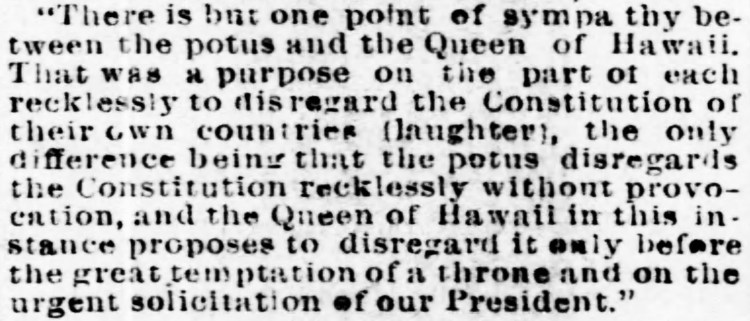
late 19th century—‘POTUS’ was originally an abbreviation used in the Phillips code, a telegraphic code created in 1879 by Walter P. Phillips (1846-1920).
Read More
The phrase ‘to have someone’s guts for garters’, used as a hyperbolical threat, is first recorded in the late 16th century.
Read More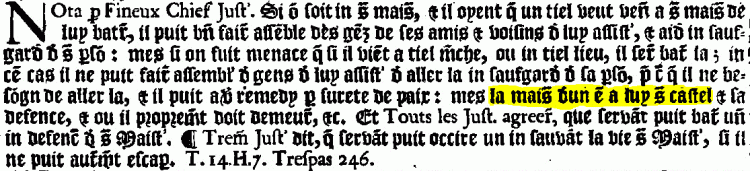
19th century—edulcoration of the legal notion of the fortress-like security of the English home, dating from the early 16th century
Read More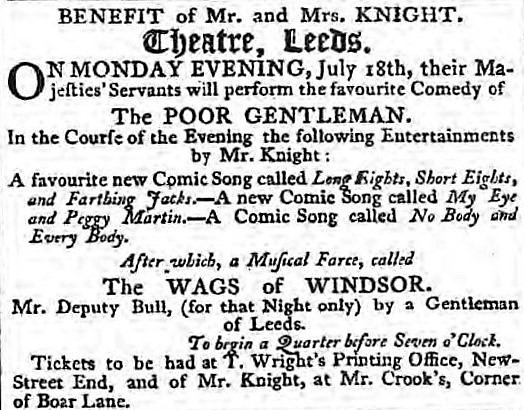
second half of the 18th century—a mere fanciful extension of ‘all my eye’—maintained in a sort of artificial life by persistent conjectures about its origin
Read More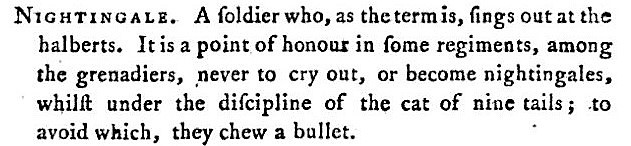
late 19th century—from the practice consisting, for a soldier, in biting on a bullet when being flogged
Read MoreThe verb unfriend was coined by the Church of England clergyman Thomas Fuller (1608-61) in The Appeal of Injured Innocence (1659).
Read More
‘according to Gunter’: correctly; reliably—early 18th century, from the name of the English mathematician Edmund Gunter (1581-1626)
Read More
‘caper’: probably abbreviation of ‘cabriole’, from Italian ‘capriola’, literally ‘female roe deer’, from Latin ‘capreola’, ‘wild goat’, from ‘capra’, she-goat
Read More‘betwixt and between’, late 18th century—not fully or properly either of two things, in an intermediate or middling position
Read More word histories