How ‘to call a spade a spade’ originated in a mistranslation.
originated in the mistranslation by Erasmus of Greek ‘skáphē’ (meaning anything hollowed out) as a word denoting a digging tool
Read More
“ad fontes!”
originated in the mistranslation by Erasmus of Greek ‘skáphē’ (meaning anything hollowed out) as a word denoting a digging tool
Read More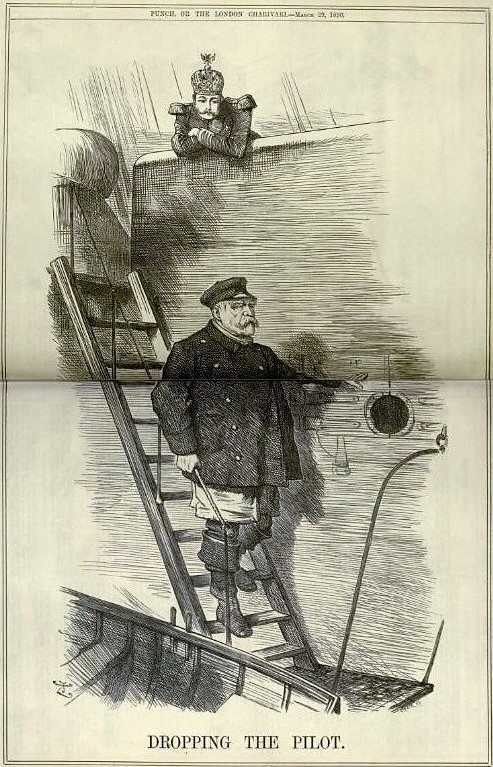
John Tenniel popularised the phrase in a cartoon depicting the dismissal of Otto von Bismarck, published in Punch (London) of 29 March 1890.
Read MoreAustralia, 1880—from the fact that bananas grow in abundance in Queensland (a state comprising the north-eastern part of Australia)
Read MoreUK—‘a legend in your lifetime’ (1913): allegedly said by Benjamin Jowett to Florence Nightingale—‘a legend in his own lunchtime’ (1969): first recorded in a theatrical review by John Cunningham
Read More
UK, 1852—of a person or thing: irretrievably defunct or out of date—with reference to the extinct bird of Mauritius
Read Morefrom Old French and Anglo-Norman ‘aveir de peis’, ‘goods of weight’, as distinguished from the goods sold by measure or number
Read Morepayday—UK, 1831, theatrical slang—from ‘Hamlet’, where Horatio asks the Ghost if he walks because he has “hoorded treasure in the wombe of earth”
Read Moreappeared as a London catchphrase in 1897—not from the title and refrain of an 1898 song
Read Moremeaning: everything is or will turn out all right—Scotland, 1891—‘bob’ probably related to the adjectives ‘bob’ and ‘bobbish’, meaning ‘well, in good health and spirits’
Read More‘to know where the bodies are buried’: to have personal knowledge of the secrets or confidential affairs of an organisation or individual—USA, 1928, as ‘to know where the body is buried’
Read More word histories