Primary Menu
  • home
  • alphabetical index
  • about me
  • contact
  • donate
word histories

word histories

“ad fontes!”

Tag: dictionaries

history of the phrase ‘are you there with your bears?’
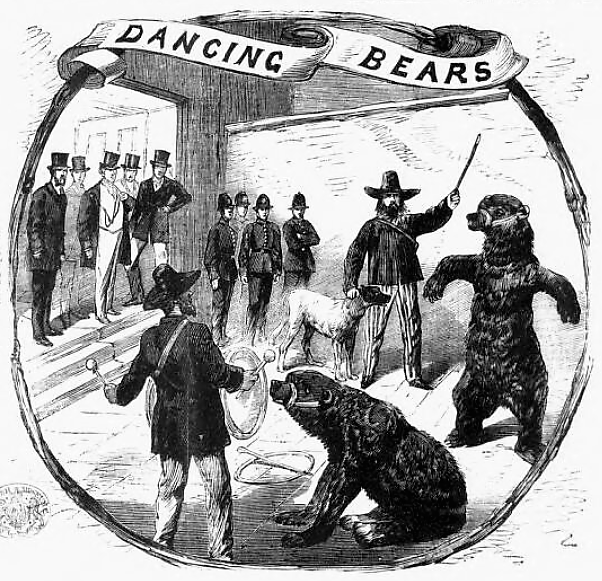
16th Feb 2020.Reading time 10 minutes.

16th century—exclamation of annoyance at the reappearance of someone or something—from bear-leaders’ regular visits or from story of Elisha and the bears

Read More

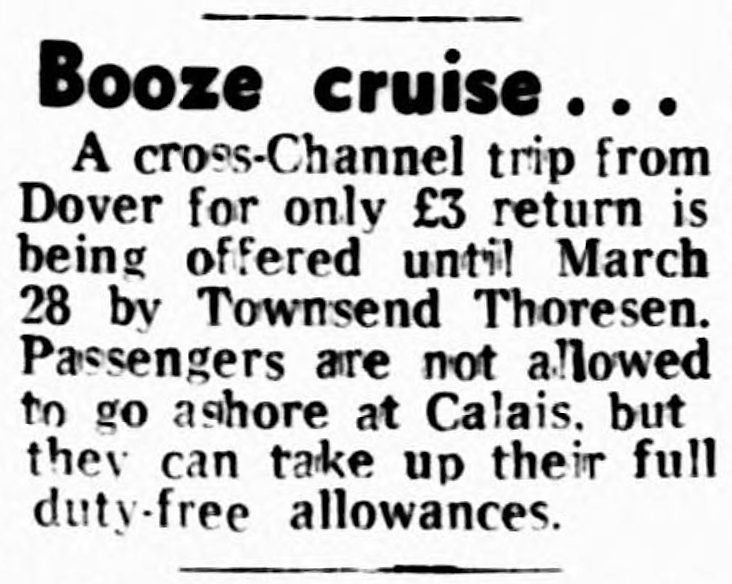
‘booze cruise’ #2: a British acceptation

9th Feb 2020.Reading time 8 minutes.

1980—a brief excursion by ferry from Britain to France for the purposes of buying cheap alcohol, cigarettes, etc.—soon extended to a trip by coach, rail or car

Read More

‘booze cruise’ #1: a Scottish acceptation

8th Feb 2020.Reading time 12 minutes.

1950—Sunday trip by car or bus, making use of the bona fide clause in licensing laws, by which non-residents got alcohol—coined by Scottish novelist George Blake

Read More

notes on the phrase ‘don’t hurry, Hopkins!’

25th Jan 2020.Reading time 5 minutes.

addressed to slow persons—1858—said to be from a promissory note in which a Kentuckian named Hopkins wrote it was agreed he was not to be hurried into paying

Read More

‘to play billiards well is a sign of a misspent youth’

7th Jan 2020.Reading time 15 minutes.

UK, 1884—often erroneously attributed to philosopher Herbert Spencer, who said he only repeated an assertion made by a friend of his, Charles Roupell

Read More
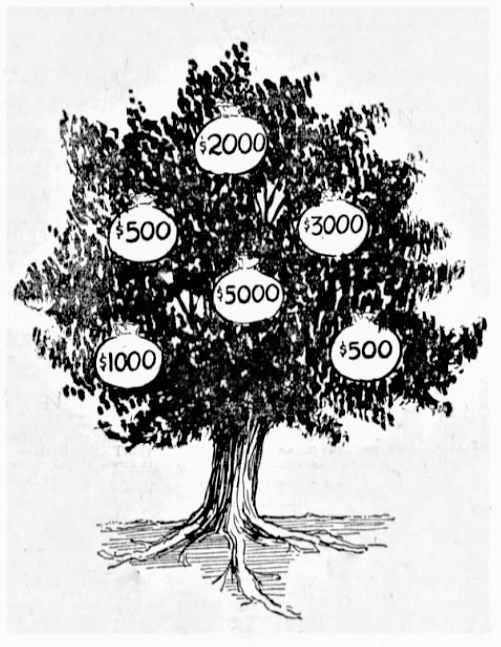
history of ‘money tree’ and ‘to shake the money tree’

23rd Dec 2019.Reading time 12 minutes.

‘money tree’ (UK, 1749): a source of easily obtained or unlimited money—‘to shake the money tree’ (UK, 1851)—related to proverb ‘money does not grow on trees’

Read More
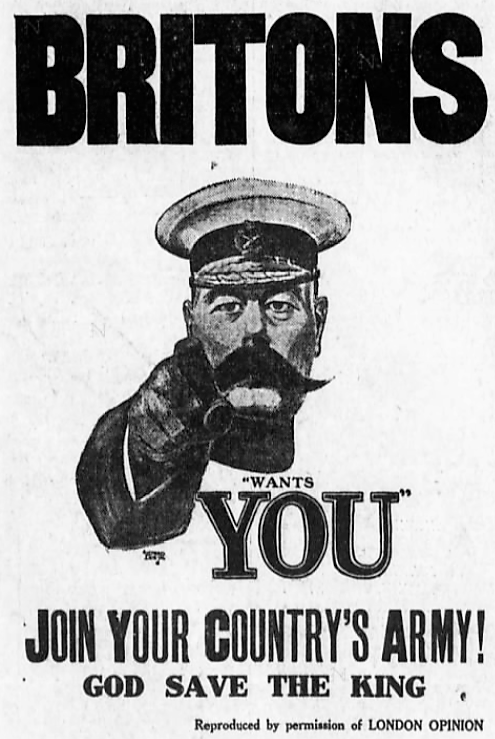
history of the phrase ‘(Lord) Kitchener wants you’

3rd Dec 2019.Reading time 8 minutes.

UK, 1914—from a poster showing Lord Kitchener, Secretary of State for War, used in the recruitment campaign at the beginning of World War One

Read More

‘great minds think alike’ | ‘les grands esprits se rencontrent’

28th Nov 2019.Reading time 8 minutes.

English phrase (1728) preceded by ‘good wits jump’, i.e. ‘agree’ (1618)—French phrase (1775) preceded by ‘les beaux esprits se rencontrent’ (1686)

Read More
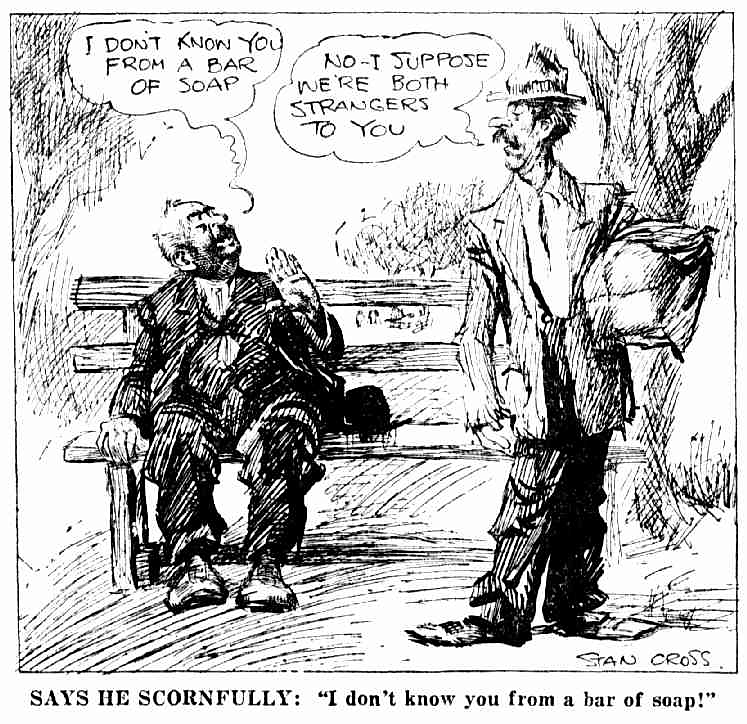
meaning and origin of the phrase ‘not to know — from a bar of soap’

13th Nov 2019.Reading time 15 minutes.

to be completely unacquainted with someone or something—most earliest uses (late 19th century) in U.S. publications, but a few in Australian publications

Read More

meaning and history of the phrase ‘feed the brute’

17th Oct 2019.Reading time 12 minutes.

nourish your husband—1882 in ‘Vanity Fair’ (London)—popularised in 1885 by a cartoon by George du Maurier, published in ‘Punch, or the London Charivari’

Read More

Posts navigation

Older Posts
Newer posts
Creative Commons License
All posts by word histories are licensed under a Creative Commons Attribution-NonCommercial-NoDerivatives 4.0 International Licence.

Search this blog

Enter your email address to follow this blog and receive notifications of new posts by email.

Join 877 other subscribers.
Follow word histories on WordPress.com

Categories

arts Australia & New Zealand etymology French/English linguistics literature media music public affairs religion symbolisms uncategorised United Kingdom & Ireland USA & Canada

Main Tags

animals Australia Christianity dictionaries drinks economics food human body Ireland judicial Latin military newspapers & magazines phrases politics slang sports & games theatre United Kingdom USA

links

  • Académie française
  • Australian newspapers, magazines and journals, books, and other formats
  • British and Irish newspaper archive
  • Chronicling America: Historic American Newspapers
  • CNRTL (Centre national de ressources textuelles et lexicales)
  • Collins Dictionary
  • Dictionaries of the Scots Language / Dictionars o the Scots Leid
  • Dictionary of South African English
  • English, French and Latin dictionaries
  • Gallica (bibliothèque numérique de la Bibliothèque nationale de France)
  • Irish newspaper archive
  • Lexilogos (a comprehensive set of resources for the study of the languages of the world)
  • Llyfrgell Genedlaethol Cymru / The National Library of Wales
  • Merriam-Webster Dictionary
  • New-Zealand and Pacific newspapers, magazines and journals, books, and other formats
  • Newspaper archive
  • The Australian National Dictionary
  • U.S. newspaper archive

  • Subscribe Subscribed
    • word histories
    • Join 877 other subscribers.
    • Already have a WordPress.com account? Log in now.
    • word histories
    • Subscribe Subscribed
    • Sign up
    • Log in
    • Report this content
    • View site in Reader
    • Manage subscriptions
    • Collapse this bar
This website uses cookies. By continuing, you agree to their use. Learn more, including how we use cookies and how you can change your settings.
 

Loading Comments...