the changing identities of the butterfly
Since antiquity, European languages have variously named the butterfly, in particular by using sound reduplications expressive of its fluttering.
Read More
“ad fontes!”
Since antiquity, European languages have variously named the butterfly, in particular by using sound reduplications expressive of its fluttering.
Read More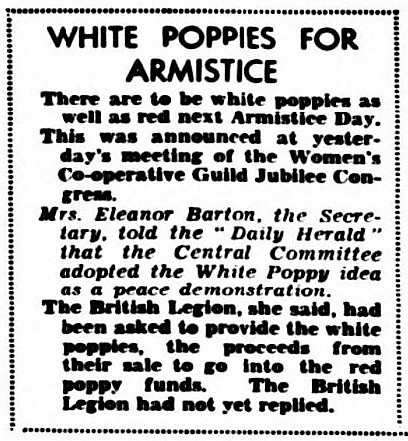
white poppy: introduced in 1933 by the Women’s Co-operative Guild, which wanted it to be made by, and to benefit, ex-servicemen, but the British Legion refused
Read More‘blanket’: from Old-Northern-French and Anglo-Norman forms such as ‘blankete’ (white woollen material), composed of ‘blanc’ (white) and the diminutive suffix ‘-ette’
Read More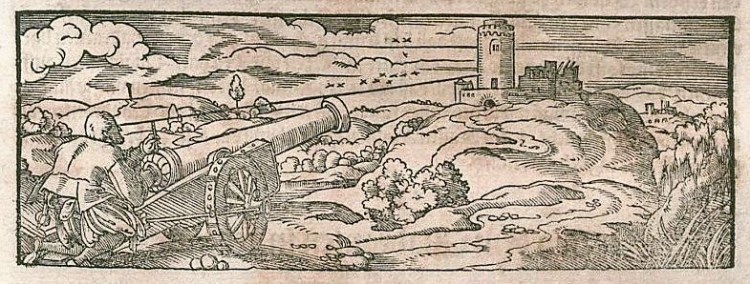
1571—probably from obsolete French ‘de pointe en blanc’, used of firing into empty space for the purpose of seeing how far a piece of artillery would carry
Read More
‘blues’—from ‘blue’ (‘sorrowful’) and elliptically from ‘blue devils’ (‘depression’)—originally a metaphorical use of ‘blue’ (‘bruised’), as in ‘black and blue’
Read Morefrom ‘a bolt out of the blue’, denoting a sudden and unexpected event, with reference to the unlikelihood of a thunderbolt coming from a clear blue sky
Read More
Red herring, used in laying trails for hounds to follow, was misunderstood as a deliberate attempt to distract them, hence the figurative use of ‘red herring’.
Read More‘Once in a blue moon’ is a development from ‘once in a moon’, meaning ‘once a month’, hence ‘occasionally’—‘blue’ is merely a meaningless fanciful intensive.
Read More
three red tops: the Daily Mirror, The Sun, the Daily Star In the following, the noun tabloid has the sense of a newspaper having pages half the size of those of the average broadsheet, aimed at the mass market, with relatively little serious political or economic content but considerable amounts of sport, celebrity gossip, scandal and trivial […]
Read More
The white cliffs of Dover— to which the name Albion did not originally refer [cf. note]. (photograph: Wikimedia Commons/Fanny) The name Albion first appeared in English in the very first sentence of the first Book of the 9th-century translation of Historia ecclesiastica gentis anglorum (The Ecclesiastical History of the English People) originally written by the English monk, […]
Read More word histories