‘Tom Mix in Cement’: meaning and origin

a retort to ‘what’s on at the pictures?’—USA, 1924—with pun on ‘to mix cement’, refers to U.S. film actor Tom Mix
Read More
“ad fontes!”
a retort to ‘what’s on at the pictures?’—USA, 1924—with pun on ‘to mix cement’, refers to U.S. film actor Tom Mix
Read More
one is experiencing remarkably good fortune; one has everything one could have wished or hoped for—Australia, 1932
Read More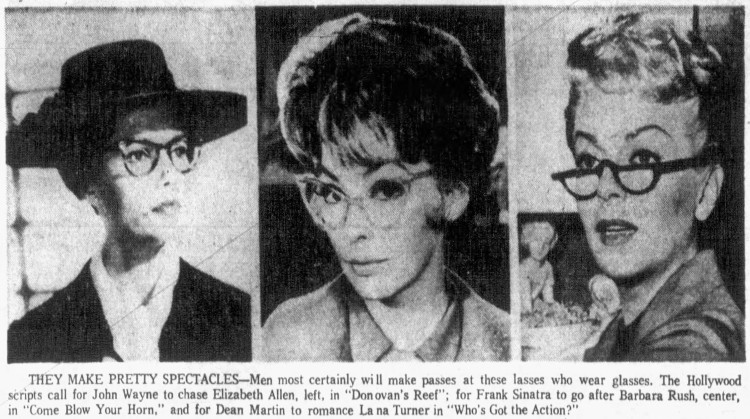
USA—from two-line poem ‘News Item’ (1926), by Dorothy Parker—has given rise to jocular variants, especially playing on ‘glasses’ (eyewear/drinking containers)
Read More
UK, 1976—from “Heineken. Refreshes the parts other beers cannot reach”, an advertising slogan for Heineken lager, in use from 1975 onwards
Read Morean ironically resigned, yet far from submissive, reflection upon the vicissitudes of life—UK, 1937 in The Games Mistress, a monologue by Arthur Marshall
Read More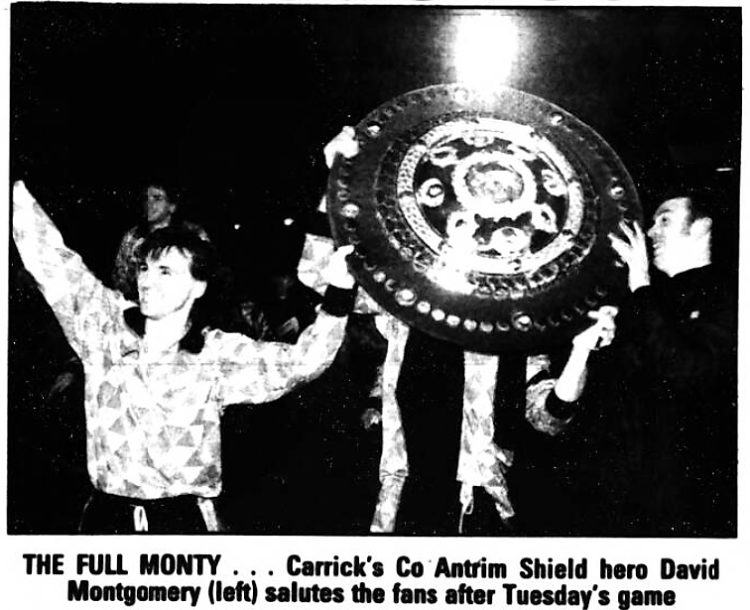
used to mean ‘everything which is necessary, appropriate or possible’, sometimes with punning reference to the British comedy group ‘Monty Python’
Read More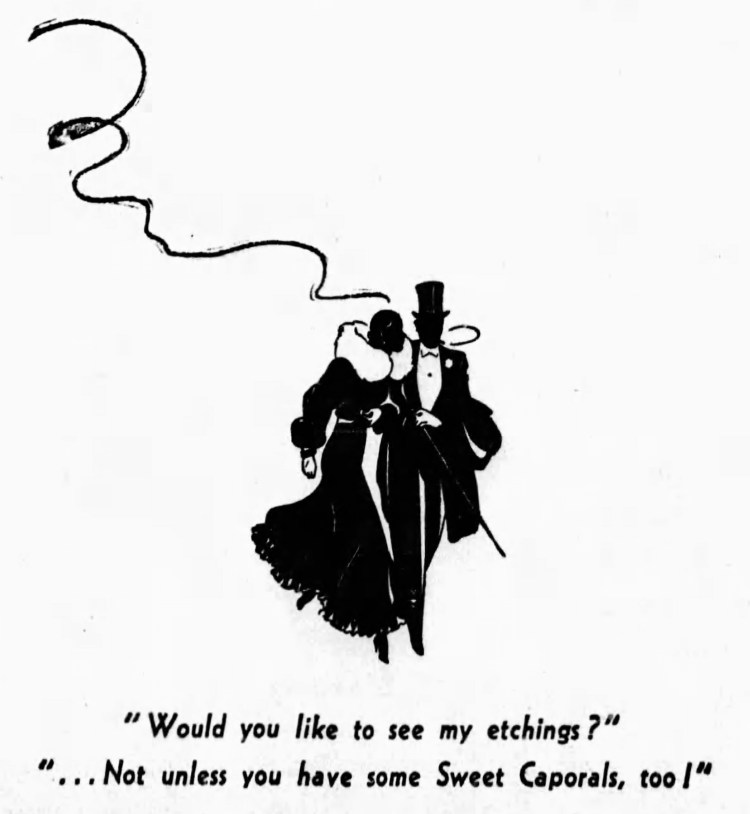
USA, early 20th century—used as an invitation to sexual dalliance—in 1937, William Hays’s censorship office apparently banned it in cinema films
Read More
“half a moment, Kaiser!”—1914 as the caption to a drawing by Bert Thomas, published in the Weekly Dispatch (London) to advertise a tobacco fund for soldiers
Read More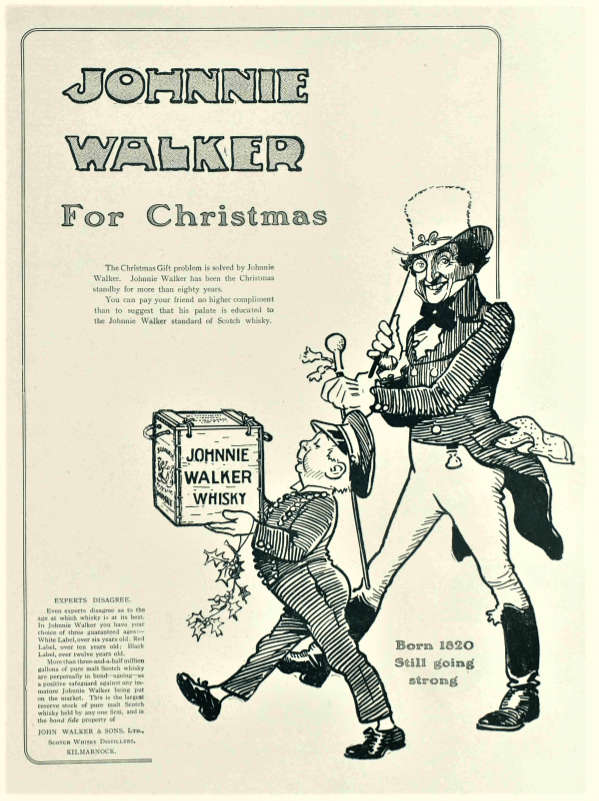
UK, 1910—extended form of ‘going strong’ (continuing to be healthy, vigorous or successful)—from the advertising slogan for Scotch whisky Johnnie Walker
Read More
USA, 1929—said to a man to mean ‘you need a haircut’—from the conventional image of male musicians wearing their hair long
Read More
