used to rebuke an unrealistic conditional—USA, 1808: ‘if my aunt had been my uncle, what would have been her gender?’—France, 1843: ‘si ma tante était un homme, ça serait mon oncle’ (‘if my aunt were a man, that would be my uncle’)
1951—with pun on the noun ‘camp’ (i.e.: encampment): extremely camp (i.e.: ostentatiously and extravagantly effeminate; deliberately exaggerated and theatrical in style)
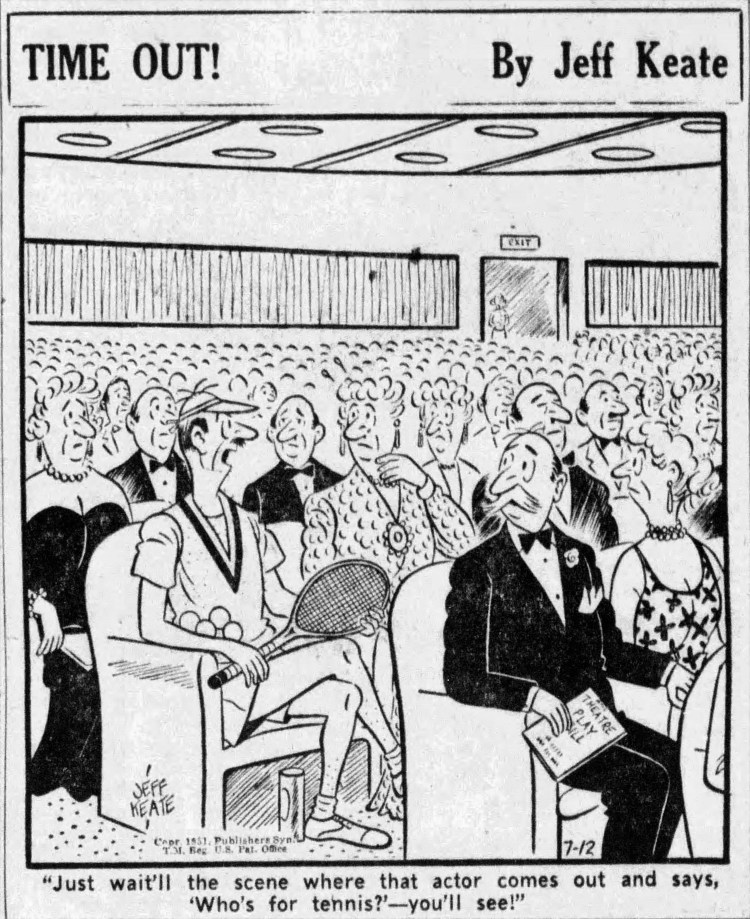
theatre—a typical entrance or exit line given to a young man in a superficial drawing-room comedy—USA 1934—but 1908 in a short story evoking the pastimes of members of the leisured class during a stay at a country house
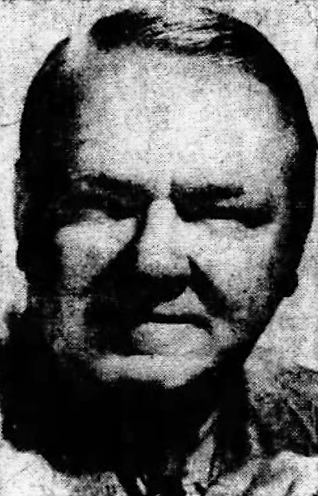
used in 1939 by Leo Rosten about U.S. actor W. C. Fields—has been wrongly attributed to the latter—but first used by U.S. journalist Byron Darnton, according to an article of 1937
USA, 1938—male-chauvinistic phrase meaning that the place of women is in the home and that their role is to bear children—also ‘pregnant and barefoot(ed)’