origin and sense development of Anglo-Irish ‘bejesus’
1825, Anglo-Irish alteration of ‘by Jesus’—1867 as one word—‘the bejesus out of’ (1931) intensifies the action conveyed by the preceding verb
Read More
“ad fontes!”
1825, Anglo-Irish alteration of ‘by Jesus’—1867 as one word—‘the bejesus out of’ (1931) intensifies the action conveyed by the preceding verb
Read Morefrom Phormio, by the Roman dramatist Terence—appeared in English in the 1539 translation of Erasmus’s adages
Read More
UK, 1816—successful person attracting envious hostility—from Tarquin’s decapitation of the tallest poppies to indicate the fate of enemies
Read More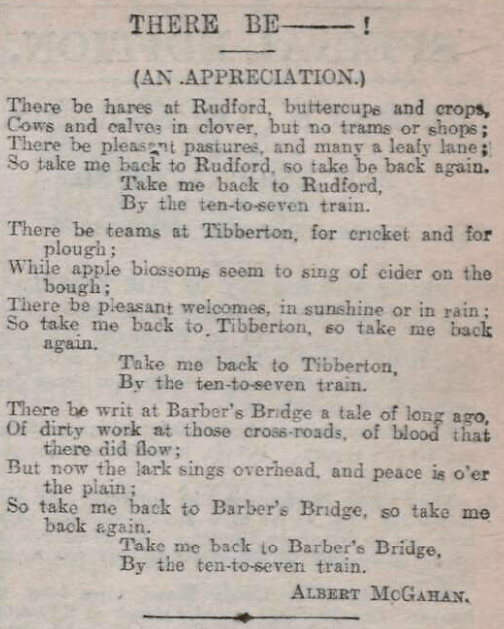
UK, 1906—dishonest or illicit dealings—probably alludes to crossroads as settings for sinister actions, in particular to their former use as burial places for suicides
Read More
(jocular) to become unduly agitated or angry—twisted clothing as a metaphor for mental confusion—UK, 1971, in the comic strip Andy Capp
Read More
Irish English, 1907—out of touch with reality—ultimately refers to the belief that the fairies spirit away human beings
Read MoreUK, 1930—‘as the bishop said to the actress’, ‘as the actress said to the bishop’: mischievously implies a sexual innuendo or ambiguity in a preceding innocent remark
Read More
the city or university of Oxford; the sheltered condition of unworldly academics—from the poem ‘Thyrsis’ (1866), by Matthew Arnold
Read MoreUK, 1789—aided by alliteration, arose from a long-established figurative use of ‘brass’, sometimes in association with ‘bold’
Read Moreto avoid work, to shirk one’s duty—originated in military slang during the First World War, the word ‘column’ denoting a formation of marching soldiers
Read More word histories