‘the (little) man in the boat’: meaning and origin
UK, 1896—the clitoris—likens the clitoris, placed between the inner labia of the vulva, to a person in a boat
Read More
“ad fontes!”
UK, 1896—the clitoris—likens the clitoris, placed between the inner labia of the vulva, to a person in a boat
Read More
On the pattern of phrases such as ‘nom de guerre’, ‘nom de théâtre’ and ‘nom de plume’, ‘nom de —’ is used, often humorously, to form phrases denoting a pseudonym, an alternative name.
Read MoreCanada and UK, 1978—to publicly disclose perceived wrongdoing or failure on the part of a person or institution; to expose private behaviour to public censure—earlier longer phrases include ‘blame’
Read More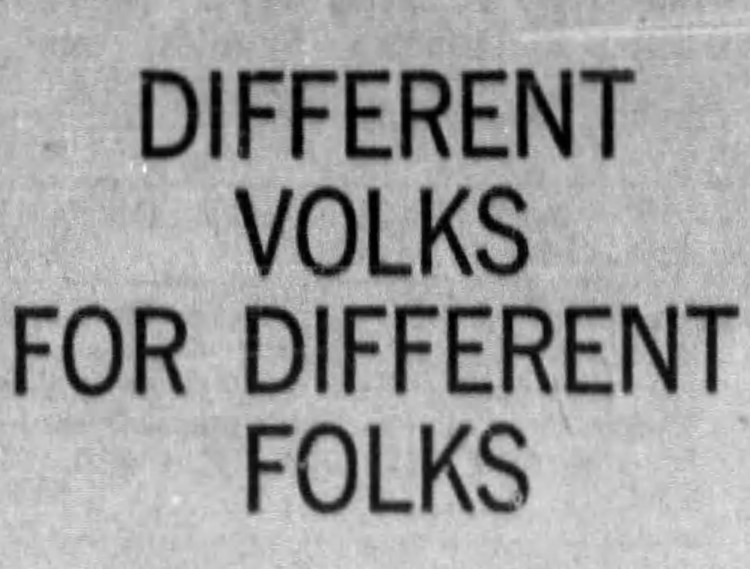
African-American, 1966—different things please or satisfy different people—‘stroke’ denotes a comforting gesture of approval or congratulation, and, by extension, a flattering or friendly remark
Read More
‘square eyes’ 1955: eyes fancifully imagined as made square by habitual or excessive television viewing; a person characterised as watching too much television—‘square-eyed’ 1953: affected by, or given to, excessive viewing of television
Read MoreUSA—‘asphalt jungle’ 1920—‘concrete jungle’ 1924—designate a city or urban area which has a high density of large, unattractive, modern buildings and is perceived as an unpleasant living environment
Read More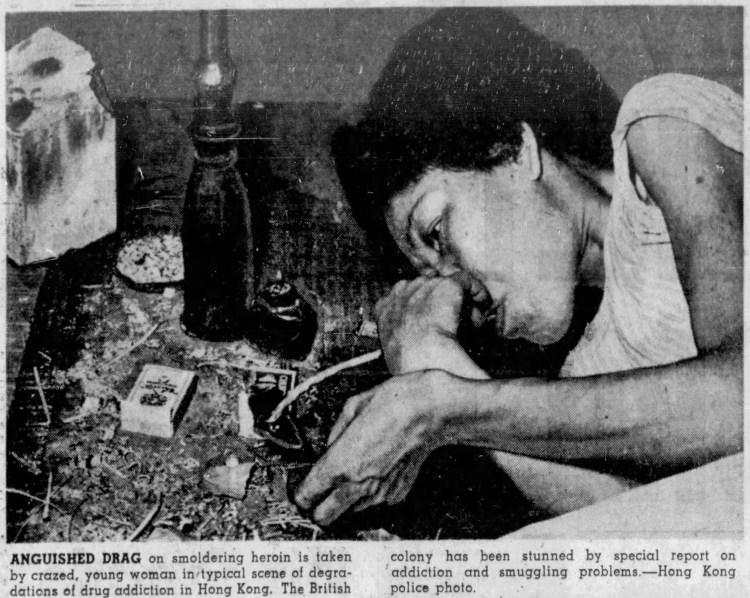
to take heroin by heating it and inhaling the fumes, which form a pattern resembling the tail of a dragon—originated in Hong Kong in the 1950s as a translation of Cantonese slang ‘chui lung’, ‘dragon chasing’
Read More
American English—a surge of extremely cold air which causes rapid falls in temperature and severe wintry weather in central and eastern areas of the United States and Canada—after ‘Trans-Siberian Express’, the name of a railway running from Moscow to Vladivostok on the Sea of Japan
Read MoreUK, 1763—extremely quickly or suddenly—in all probability, the male forename ‘Jack’, pet form of ‘John’, typifies an ordinary man, and the surname ‘Robinson’ is a generic personal name
Read Moremilitary slang, derisive—of military medals and decorations: to be awarded automatically, without regard to merit—coined during the First World War
Read More word histories