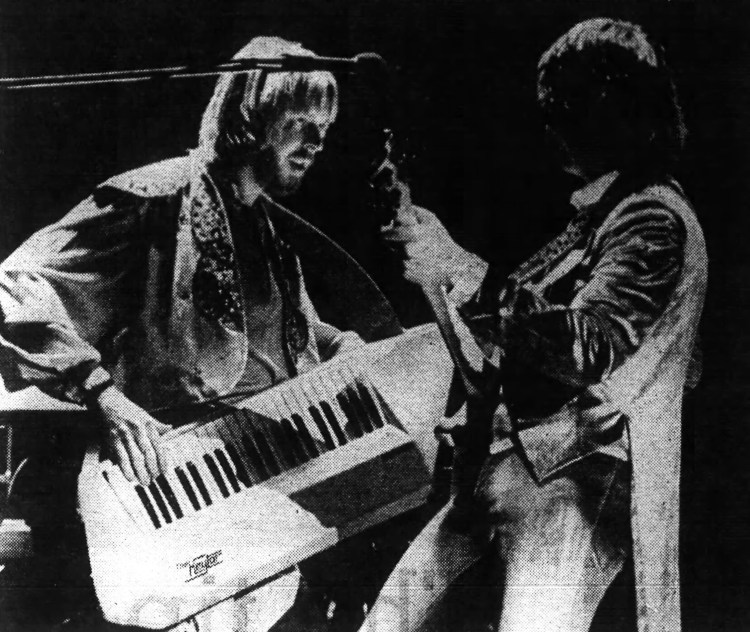
a synthesizer designed to be held in the manner of a guitar, with one hand playing a keyboard while the other operates controls on an extended handle—USA, 1979—from ‘key-’ in ‘keyboard’ and ‘-tar’ in ‘guitar’
‘raspberry’: a rude sound (suggestive of breaking wind) made by blowing with the tongue between the lips, as an expression of mockery or contempt—UK, 1888—‘raspberry’ (short for ‘raspberry tart’): rhyming slang for ‘fart’
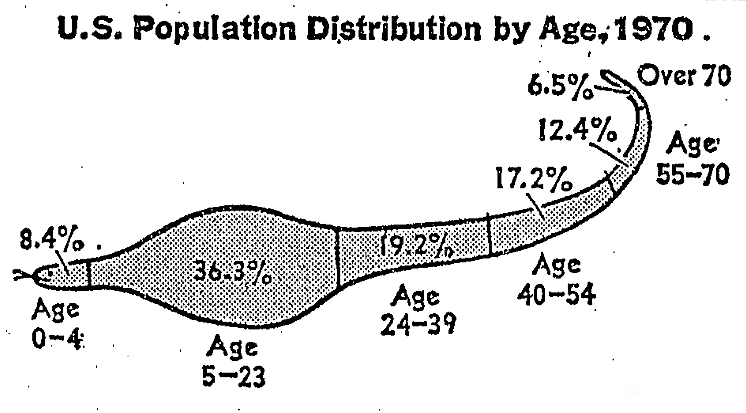
Canada, 1970—the people who were born during the ‘baby boom’ of the years immediately following WWII, considered as a demographic bulge—any short-term increase or notably large group
wine, especially cheap wine of inferior quality—UK, 1973—from ‘château’ (as used in names of expensive wines of superior quality made at vineyard estates) and ‘plonk’, denoting cheap wine of inferior quality
denotes a film, television programme, etc., which adopts the form of a serious documentary in order to satirise its subject—apparently first used (and perhaps coined) in 1952 by the Canadian television producer Ross McLean
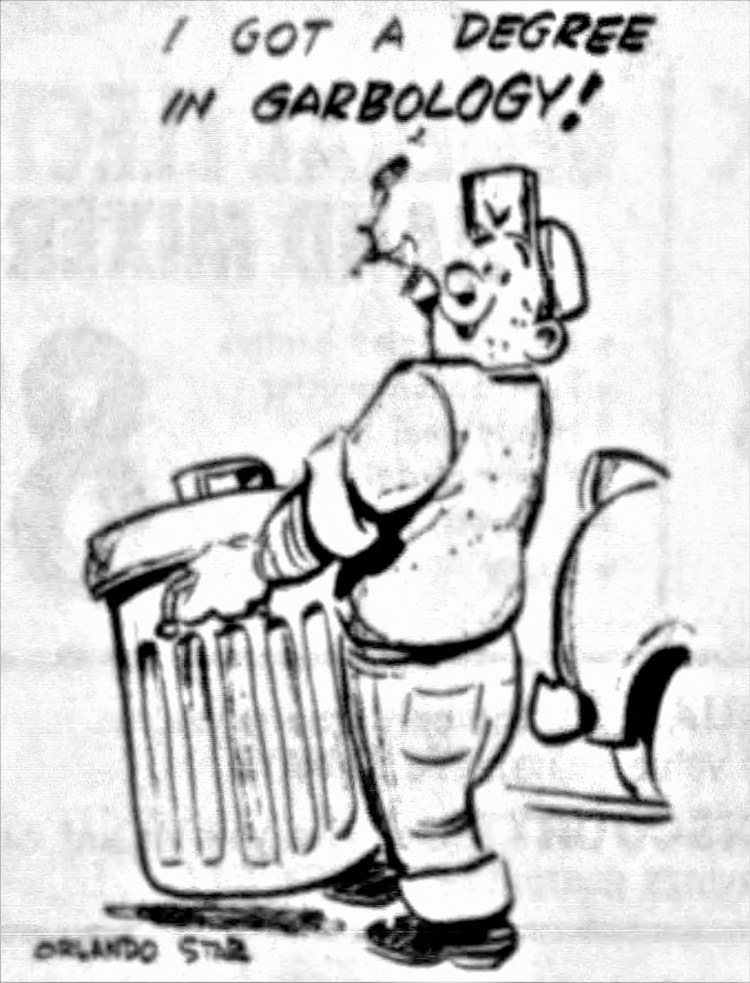
a person whose job is to collect domestic refuse—also, an expert in the treatment of refuse—USA, 1946—from ‘garb-’ in ‘garbage’, and the combining form ‘-ologist’
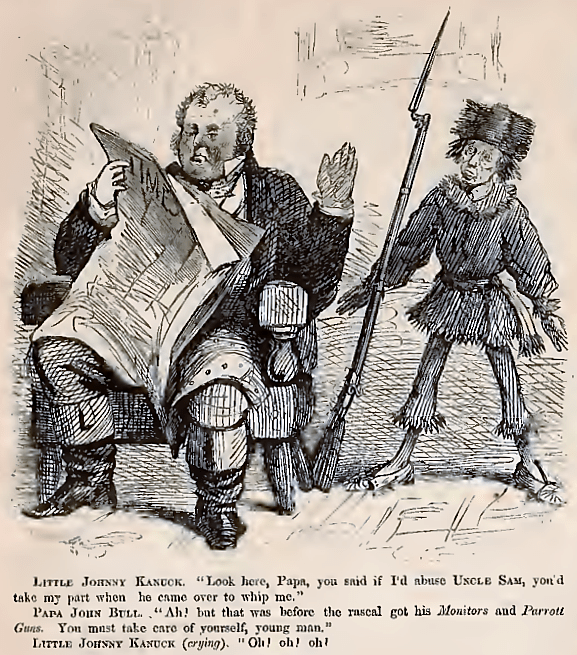
USA, 1858—a personification of the Canadian nation; Canadian people collectively; as a count noun: a Canadian—from ‘Canuck’, meaning Canadian—‘Johnny’ is used with modifying word to designate a person of the type, group, profession, etc., specified
USA, 1973—a suburban mother who spends a lot of time taking her children to play soccer or engage in similar activities—popularised during the presidential election campaign of 1996 as designating an influential voting bloc
used of a person who is implicated in an activity but accepts no responsibility for it—it was used in particular during the Watergate scandal by Senator William Saxbe to characterise President Richard Nixon