‘to drive pigs (to market)’: meaning and origin
to snore—UK, 1828—this phrase likens a person’s snoring to the sound made by a herd of pigs
Read More
“ad fontes!”
to snore—UK, 1828—this phrase likens a person’s snoring to the sound made by a herd of pigs
Read More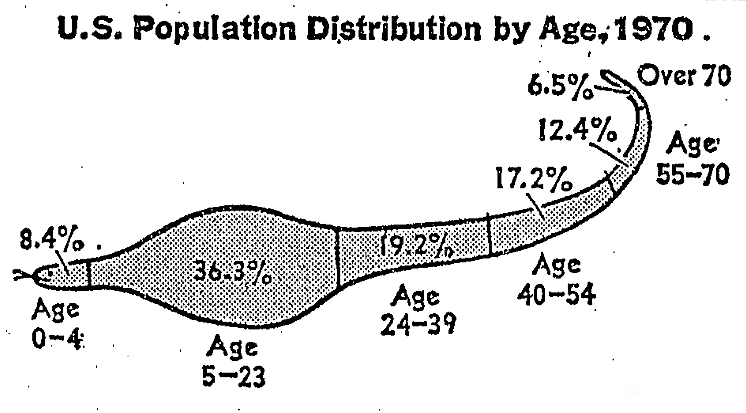
Canada, 1970—the people who were born during the ‘baby boom’ of the years immediately following WWII, considered as a demographic bulge—any short-term increase or notably large group
Read Morewine, especially cheap wine of inferior quality—UK, 1973—from ‘château’ (as used in names of expensive wines of superior quality made at vineyard estates) and ‘plonk’, denoting cheap wine of inferior quality
Read Moredenotes a film, television programme, etc., which adopts the form of a serious documentary in order to satirise its subject—apparently first used (and perhaps coined) in 1952 by the Canadian television producer Ross McLean
Read More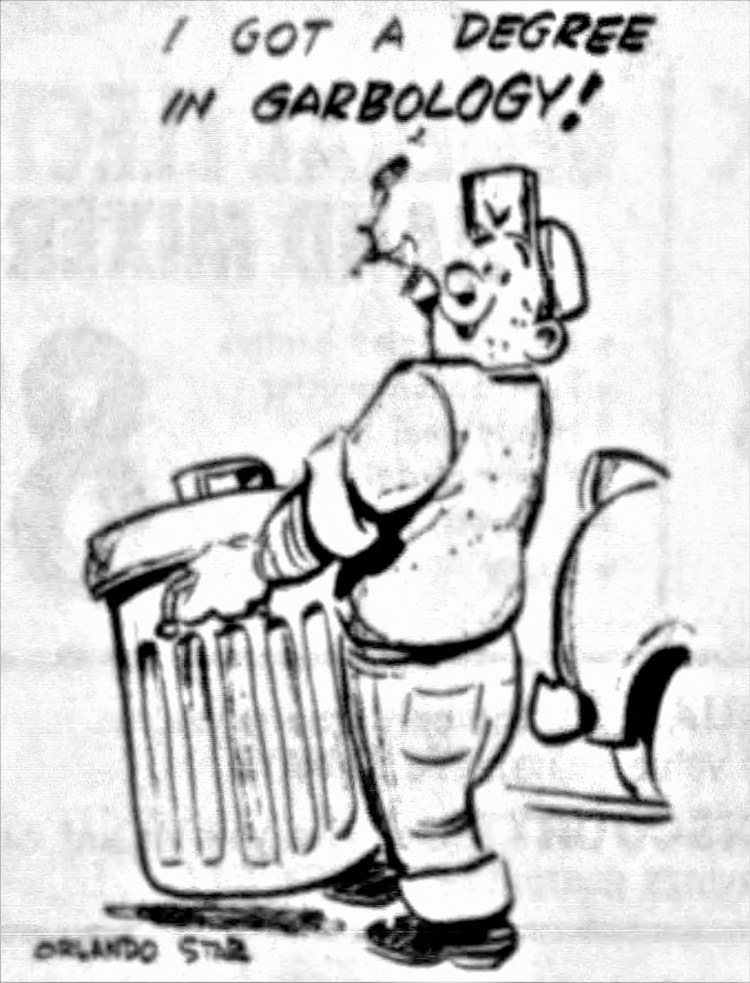
a person whose job is to collect domestic refuse—also, an expert in the treatment of refuse—USA, 1946—from ‘garb-’ in ‘garbage’, and the combining form ‘-ologist’
Read More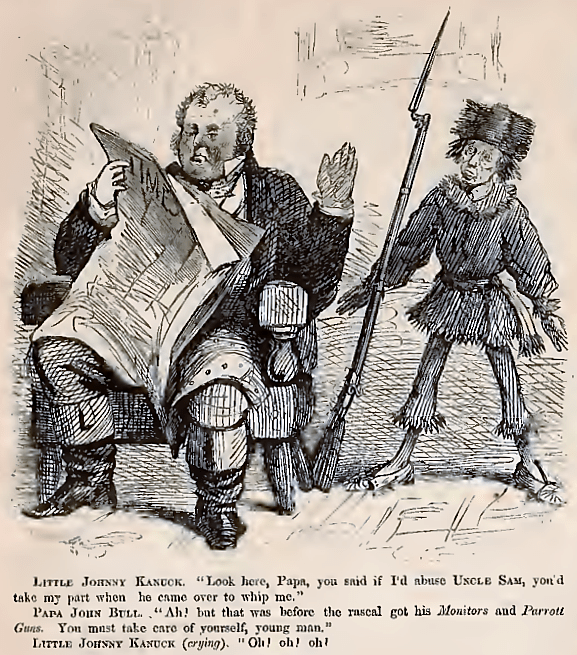
USA, 1858—a personification of the Canadian nation; Canadian people collectively; as a count noun: a Canadian—from ‘Canuck’, meaning Canadian—‘Johnny’ is used with modifying word to designate a person of the type, group, profession, etc., specified
Read MoreUSA, 1973—a suburban mother who spends a lot of time taking her children to play soccer or engage in similar activities—popularised during the presidential election campaign of 1996 as designating an influential voting bloc
Read Moreused of a person who is implicated in an activity but accepts no responsibility for it—it was used in particular during the Watergate scandal by Senator William Saxbe to characterise President Richard Nixon
Read Morediarrhoea suffered by travellers, especially in Egypt—USA, 1973—does not seem to have been coined after the synonymous ‘Montezuma’s Revenge’—may somehow allude to the legendary curse of the pharaohs
Read MoreUSA, 1825—the phrases that are built on the pattern ‘(as) [adjective] as a meat-ax(e)’ intensify the meaning of the adjective—this adjective can be ‘savage’, ‘wicked’, or ‘mad’
Read More word histories