notes on ‘a riddle wrapped in a mystery inside an enigma’
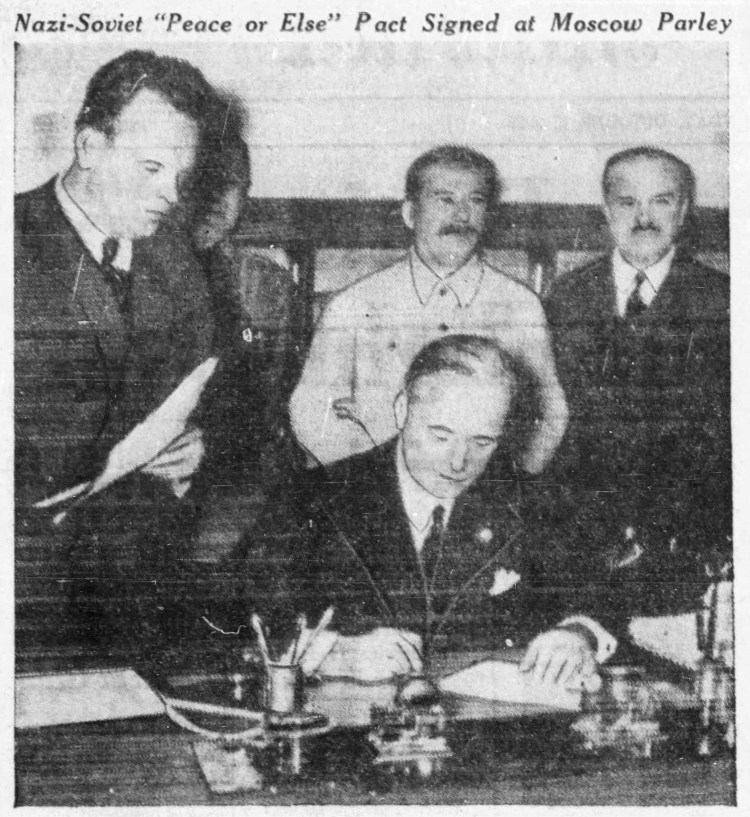
the Union of Soviet Socialist Republics under Stalin, as characterised by Winston Churchill in a speech broadcast on the radio on 1st October 1939
Read More
“ad fontes!”
the Union of Soviet Socialist Republics under Stalin, as characterised by Winston Churchill in a speech broadcast on the radio on 1st October 1939
Read MoreUSA, 1969—a method alternating kindness with harshness—from a police interrogation technique in which one officer is aggressive while the other is sympathetic
Read More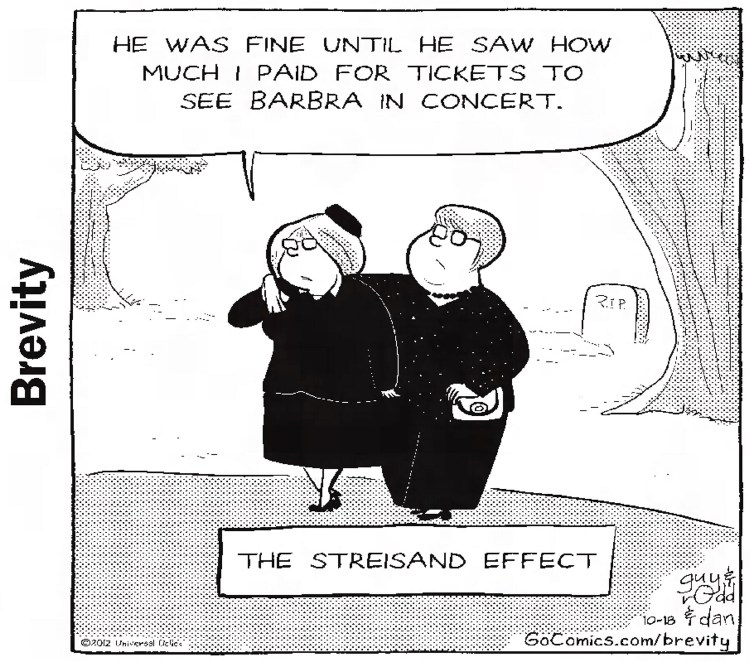
USA, 2005—coined by Mike Masnick on Techdirt.com—refers to Barbra Streisand’s counterproductive attempt in 2003 to ban a photo of her house
Read MoreUSA, 1918—originally a soldier who had lost all four limbs during the First World War and had to be transported in a basket
Read More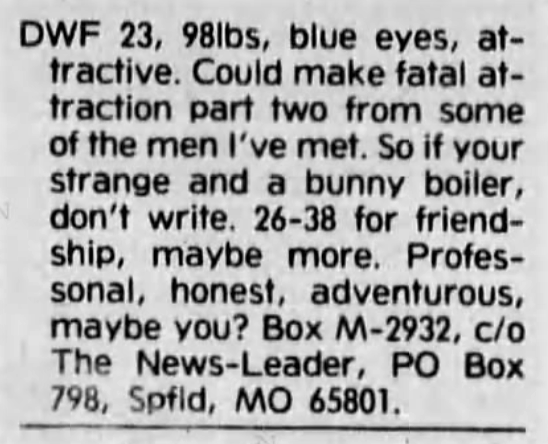
1989—a person acting vengefully after having been spurned by their lover—from 1987 film Fatal Attraction, in which a rejected woman boils her lover’s pet rabbit
Read More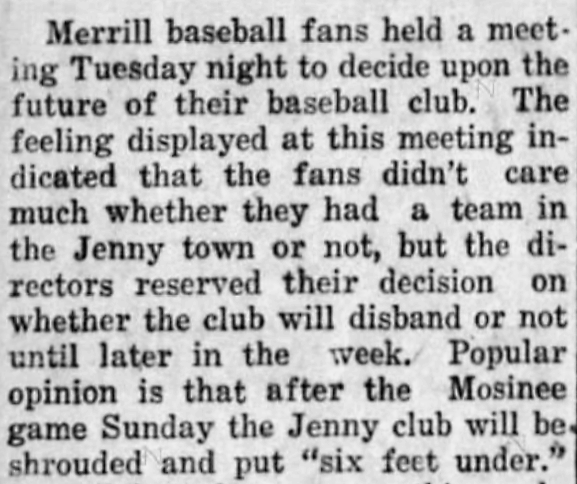
USA, 1924—dead and buried—short for ‘buried six feet under ground’—alludes to the normal depth of a grave
Read More
UK, 1924—used to indicate that the speaker has been inattentive or has not understood what has just been said
Read More
USA, 1905—unremarkable or mediocre—based on the image of something that is worth writing to one’s friends or family at home about
Read More11 September 1906 in a letter addressed to the English novelist H. G. Wells by the American philosopher and psychologist William James
Read More(of an action or decision) hopelessly self-defeating—UK, 1979, with reference to the Scottish National Party’s decision to vote with the Tories
Read More
