meaning and origin of the term ‘bunny boiler’
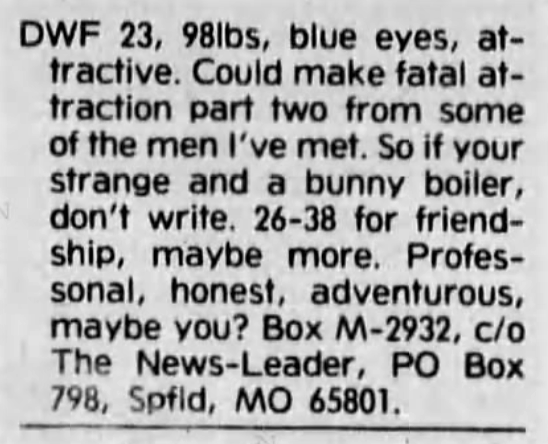
1989—a person acting vengefully after having been spurned by their lover—from 1987 film Fatal Attraction, in which a rejected woman boils her lover’s pet rabbit
Read More
“ad fontes!”
1989—a person acting vengefully after having been spurned by their lover—from 1987 film Fatal Attraction, in which a rejected woman boils her lover’s pet rabbit
Read More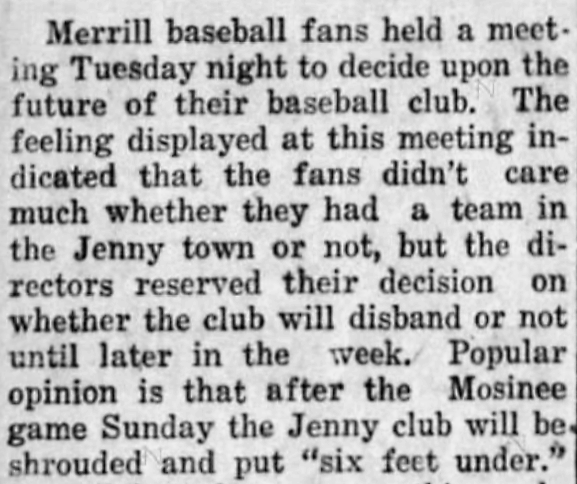
USA, 1924—dead and buried—short for ‘buried six feet under ground’—alludes to the normal depth of a grave
Read More
UK, 1924—used to indicate that the speaker has been inattentive or has not understood what has just been said
Read More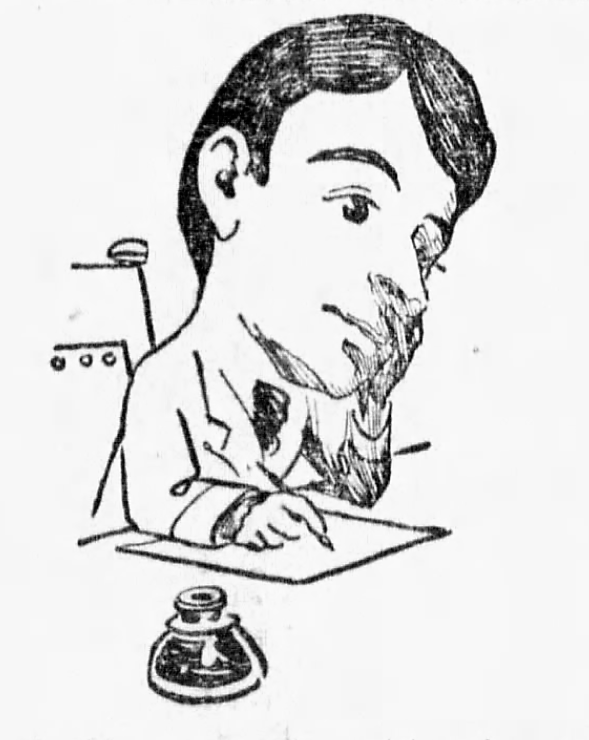
USA, 1905—unremarkable or mediocre—based on the image of something that is worth writing to one’s friends or family at home about
Read More11 September 1906 in a letter addressed to the English novelist H. G. Wells by the American philosopher and psychologist William James
Read More(of an action or decision) hopelessly self-defeating—UK, 1979, with reference to the Scottish National Party’s decision to vote with the Tories
Read More
USA—blend of ‘screen’ and ‘teenager’—(1957) teenagers reacting to a movie—(1985) teenagers as represented by TV and cinema
Read More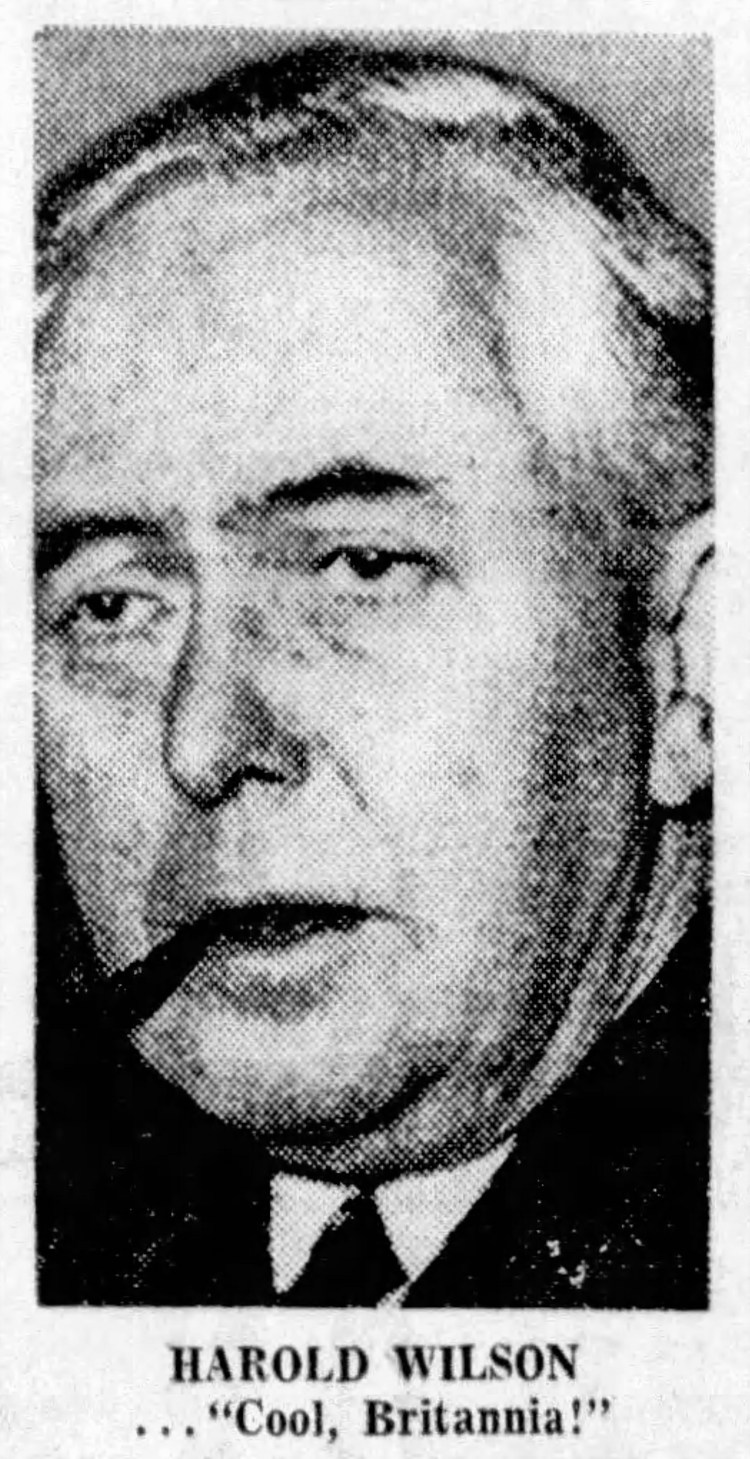
UK and Canada, from 1903 onwards—punningly alludes to ‘Rule Britannia’ (1740), the title of a popular patriotic song
Read MoreUSA, 1822—extremely pleased, delighted—alludes to the belief that a dog wags its tail as a sign of pleasure or happiness
Read MoreUSA, 1960s—those who already have will receive more—refers to gospel of Matthew—coined by sociologist Robert King Merton
Read More word histories