‘don’t laugh—your daughter may be inside’
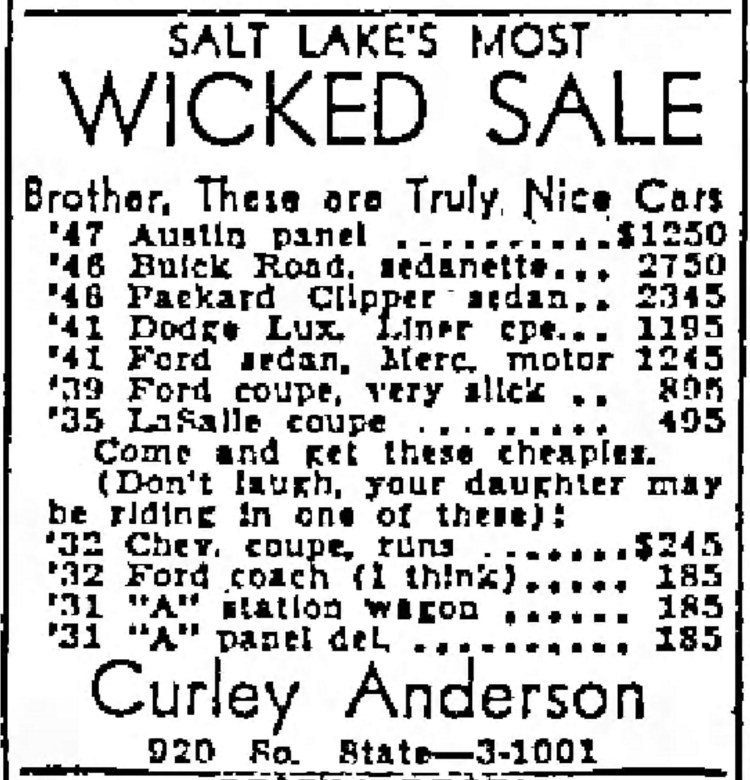
USA, 1938: painted by teenagers on the dilapidated old cars they drove—Australia, 1948: painted on cars, too, but, apparently, not specifically by teenagers—later, on bumper stickers
Read More
“ad fontes!”
USA, 1938: painted by teenagers on the dilapidated old cars they drove—Australia, 1948: painted on cars, too, but, apparently, not specifically by teenagers—later, on bumper stickers
Read Morethe three traditional interests of the stereotypical New-Zealand man—but also applied to both sexes—1962 or 1963 as the title and in the lyrics of a song by the New-Zealand singer-songwriter Rod Derrett
Read MoreUSA, 1925—With, of course, a pun on ‘pee’, meaning ‘to urinate’, the jocular phrase ‘silent like (the) ‘p’ in swimming’ is used when exposing a difficulty in pronunciation.
Read More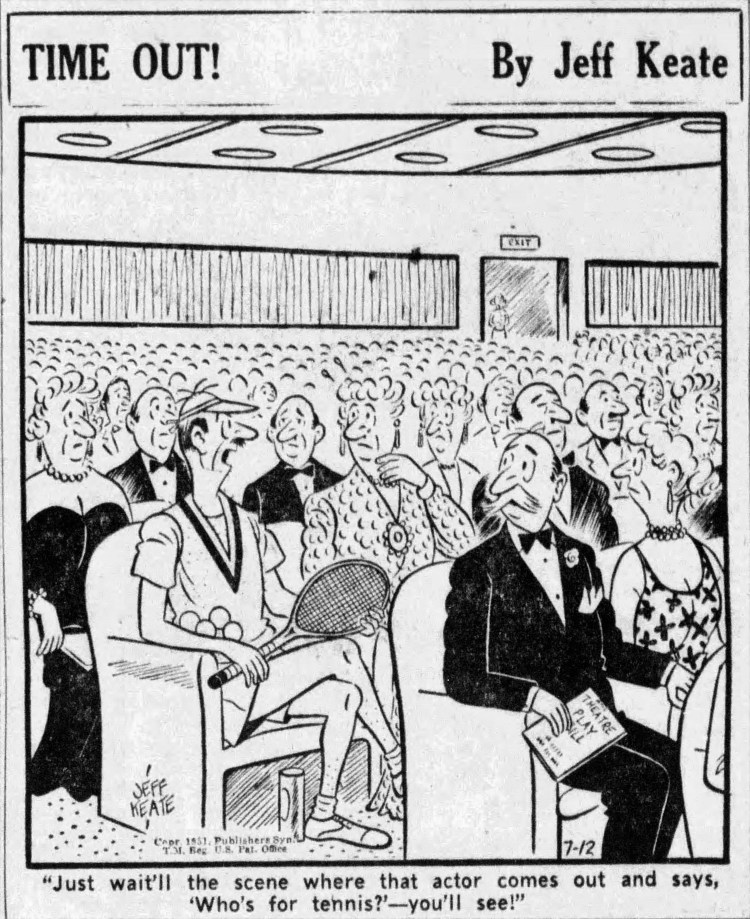
theatre—a typical entrance or exit line given to a young man in a superficial drawing-room comedy—USA 1934—but 1908 in a short story evoking the pastimes of members of the leisured class during a stay at a country house
Read MoreAmerican English, 1823—meaning: if one is falsely reputed to act in a specific manner, then one may as well act in that manner
Read More(baseball) a good fielder, but a poor hitter, i.e., batter—USA, 1925—purportedly coined in 1924 by Miguel Gonzales to describe Moe Berg in a telegram to Mike Kelley
Read More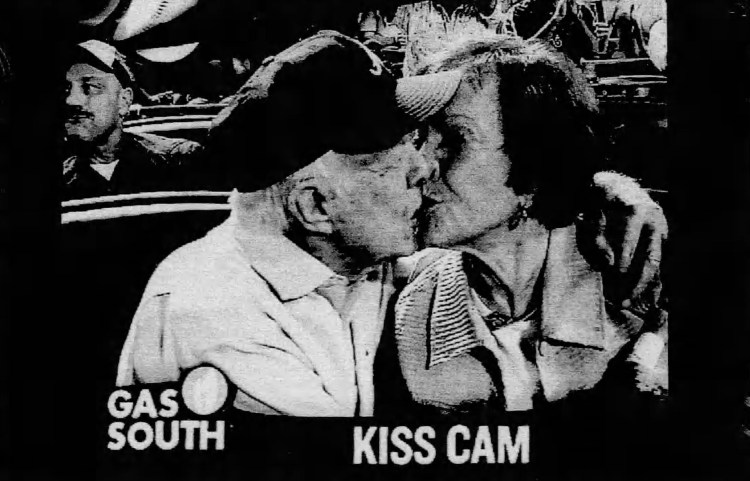
a live video feed in a sports arena showing images of selected couples in the audience in the expectation that they will kiss—USA and Canada, 2001
Read More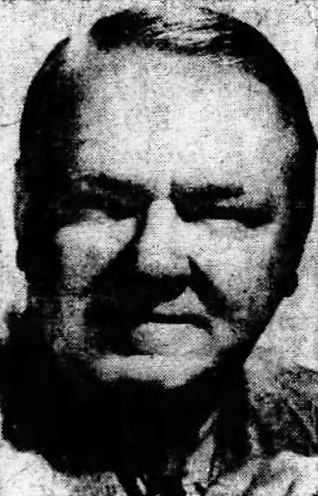
used in 1939 by Leo Rosten about U.S. actor W. C. Fields—has been wrongly attributed to the latter—but first used by U.S. journalist Byron Darnton, according to an article of 1937
Read More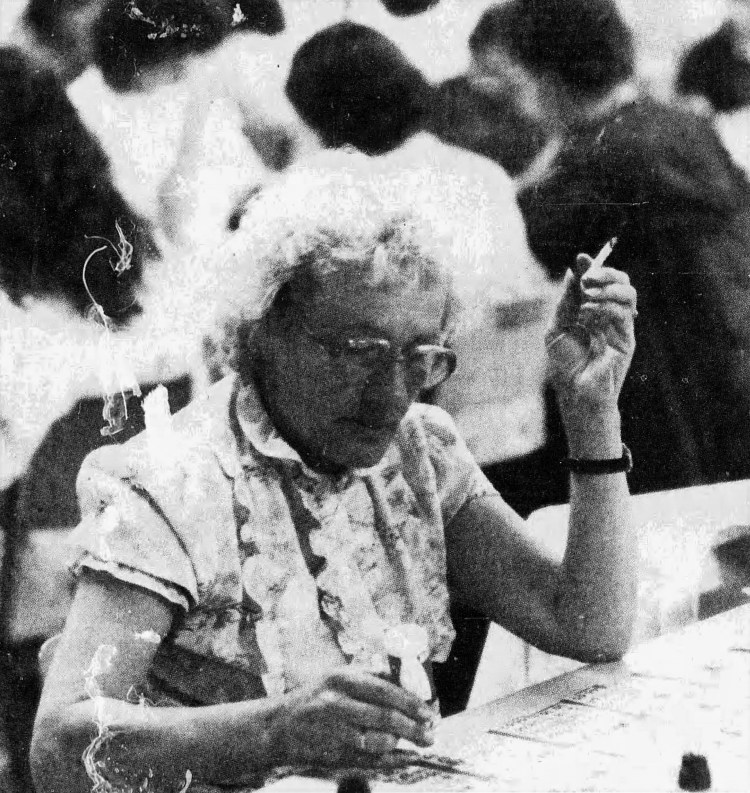
USA, 1992—the folds of loose skin or fat which hang from the undersides of a person’s upper arms—so named because they are common in older women, who are regarded as the type of person most likely to play bingo
Read More
USA, 1938—UK, 1961—satirical phrase referring to the addiction to bingo, a game in which players mark off numbers on cards as the numbers are drawn randomly by a caller, the winner being the first person to mark off all their numbers
Read More word histories