conveys derisive self-congratulation for an action that the speaker has done from a sense of duty rather than for pleasure—from a line uttered by Charles Laughton in the 1933 film The Private Life of Henry VIII
used to rebuke an unrealistic conditional—USA, 1808: ‘if my aunt had been my uncle, what would have been her gender?’—France, 1843: ‘si ma tante était un homme, ça serait mon oncle’ (‘if my aunt were a man, that would be my uncle’)
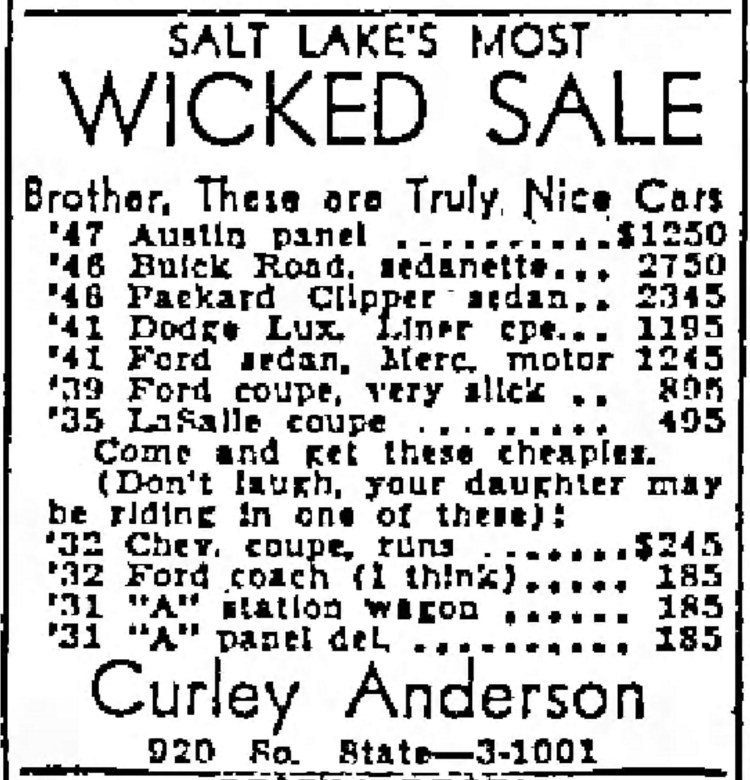
USA, 1938: painted by teenagers on the dilapidated old cars they drove—Australia, 1948: painted on cars, too, but, apparently, not specifically by teenagers—later, on bumper stickers
the three traditional interests of the stereotypical New-Zealand man—but also applied to both sexes—1962 or 1963 as the title and in the lyrics of a song by the New-Zealand singer-songwriter Rod Derrett
USA, 1925—With, of course, a pun on ‘pee’, meaning ‘to urinate’, the jocular phrase ‘silent like (the) ‘p’ in swimming’ is used when exposing a difficulty in pronunciation.
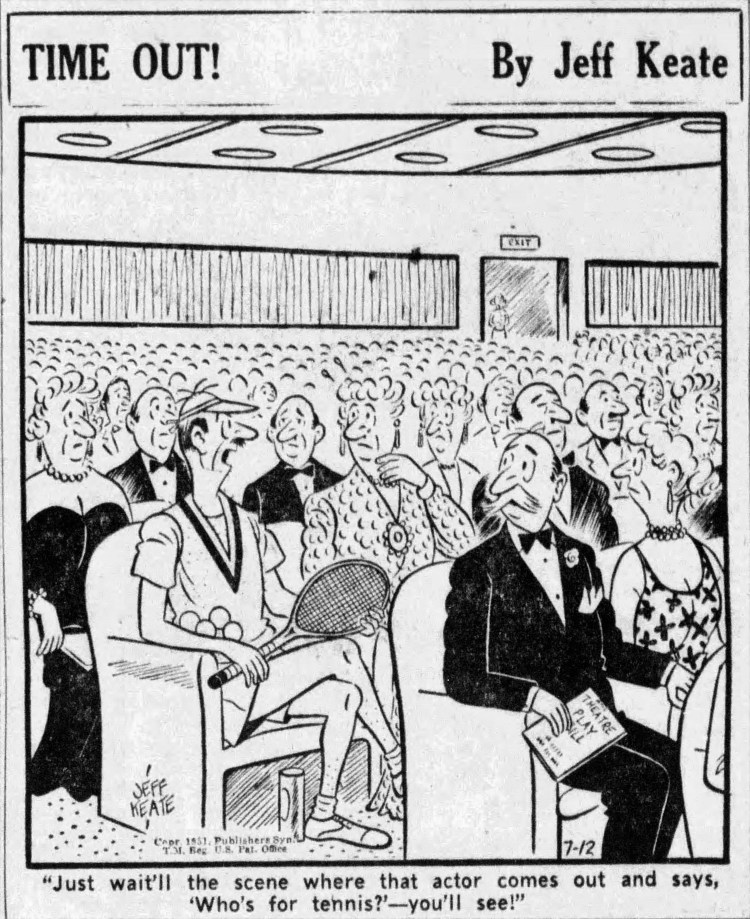
theatre—a typical entrance or exit line given to a young man in a superficial drawing-room comedy—USA 1934—but 1908 in a short story evoking the pastimes of members of the leisured class during a stay at a country house
(baseball) a good fielder, but a poor hitter, i.e., batter—USA, 1925—purportedly coined in 1924 by Miguel Gonzales to describe Moe Berg in a telegram to Mike Kelley
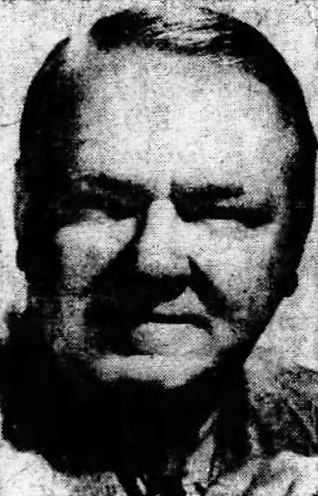
used in 1939 by Leo Rosten about U.S. actor W. C. Fields—has been wrongly attributed to the latter—but first used by U.S. journalist Byron Darnton, according to an article of 1937