meaning and origin of ‘ivory tower’ (‘tour d’ivoire’)
1837—used by Sainte-Beuve to describe French poet Vigny’s seclusion in a turret room and preoccupation with inspiration unconnected with practical matters
Read More
“ad fontes!”
1837—used by Sainte-Beuve to describe French poet Vigny’s seclusion in a turret room and preoccupation with inspiration unconnected with practical matters
Read Moremid-19th cent.—perhaps from a specific application of the general term of abuse ‘Frog’, aided by the shared initial consonant cluster in ‘French’ and ‘frog’
Read More
originally the washing of poor persons’ feet – from ‘mandatum novum’, ‘a new commandment’, in the discourse following Jesus’ washing of the apostles’ feet
Read More‘maudlin’: tearfully sentimental – from the Middle-English name ‘Maudelen’, designating Mary Magdalene, a follower of Jesus, customarily represented as weeping
Read More‘The straight and narrow’: allusion to the Sermon on the Mount. ‘Straight’ is an alteration of ‘strait’, meaning ‘so narrow as to make transit difficult’.
Read MoreThere can be some astonishing differences between the biblical texts belonging to the scholastic tradition and those belonging to the humanist movement.
Read More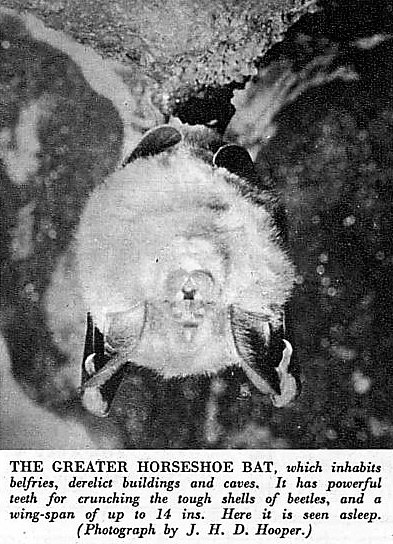
Of American-English origin, ‘to have bats in one’s belfry’ is from the image of bats flying around when disturbed, like confused thoughts in a disordered mind.
Read More
‘Gorgeous Wrecks’ (UK, WWI): members of the Volunteer Training Corps, from the letters ‘G.R.’ (‘Government Recognition’) interpreted as meaning ‘Georgius Rex’
Read MoreThe verb ‘sneeze’ is an alteration of the obsolete verb ‘fnese’ due to misreading or misprinting it as ‘ſnese’ (= ‘snese’).
Read More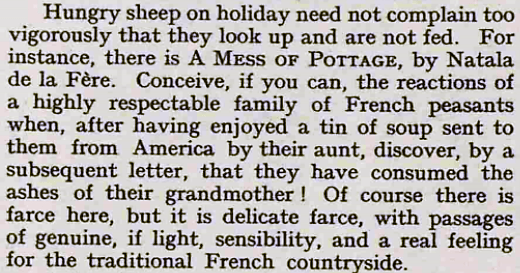
Hungry sheep on holiday need not complain too vigorously that they look up and are not fed. For instance, there is A Mess of Pottage, by Natala de la Fère. Conceive, if you can, the reactions of a highly respectable family of French peasants when, after having enjoyed a tin of soup sent to them […]
Read More word histories