history of the phrase ‘are you there with your bears?’
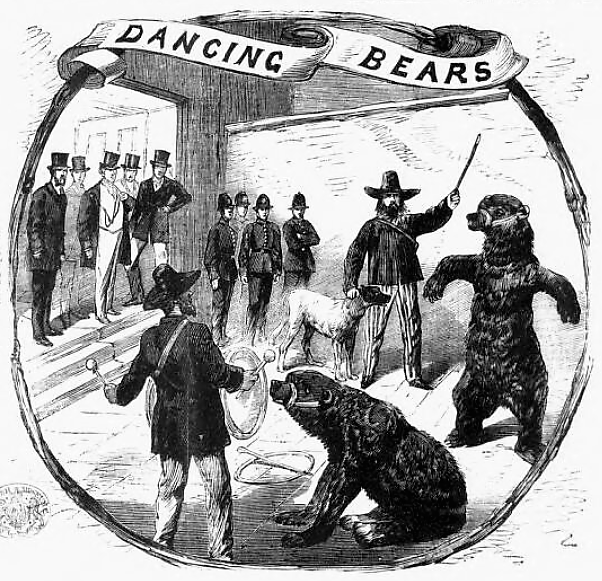
16th century—exclamation of annoyance at the reappearance of someone or something—from bear-leaders’ regular visits or from story of Elisha and the bears
Read More
“ad fontes!”
16th century—exclamation of annoyance at the reappearance of someone or something—from bear-leaders’ regular visits or from story of Elisha and the bears
Read More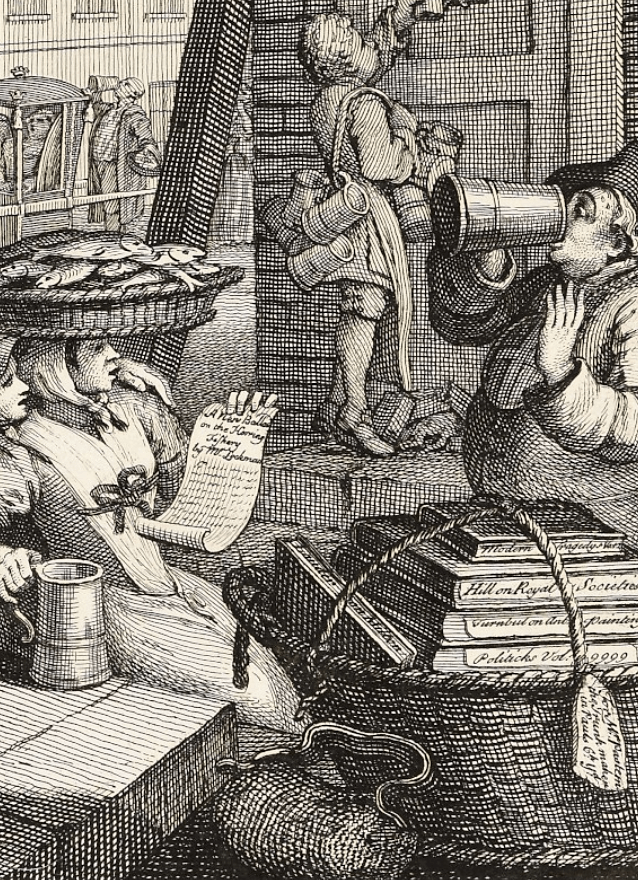
UK, 18th and 19th centuries—‘trunkmaker’ was often employed with allusion to the use of the sheets of unsaleable books for trunk-linings
Read Moresite of a nuclear power station accident (1986)—name associated with the end of the world in the Bible—epithet for Disneyland Paris, seen as a cultural disaster
Read Morechurchyard—from German ‘Gottesacker’, literally ‘God’s field’—image of the bodies of the dead sown like seeds in order to bear fruit at the time of resurrection
Read MoreUK, 1753—the largest share—alludes to Genesis, 43:34, where Benjamin receives the largest portion of food from his brother Joseph
Read MoreEngland, 1627—something which cannot be altered—refers to the unalterableness of the law of the Medes and Persians in the Book of Daniel, 6
Read More
USA, 1953—originally a motto adopted by football coaches—has often been used humorously with variation of the main clause
Read MoreWhy is the element one in words such as alone and only not pronounced like the numeral one? Both the indefinite article an (a before consonant) and the numeral one are from Old English ān—which has survived in Scotland as ane, used both as indefinite article and as numeral. This Old-English word ān meant a/an, one, […]
Read MoreScotland, 1749—from the idea of daring to grab a lion’s “beard” and figurative uses of ‘beard’: (verb) ‘confront’ – (noun) ‘face’
Read More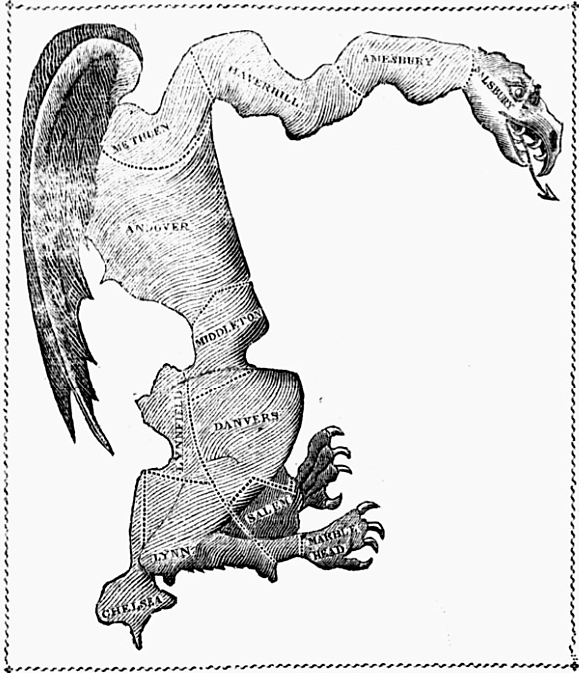
the drawing of the ‘Gerry-mander’ and the accompanying text—as published in the Boston Gazette (Boston, Massachusetts) of 26 March 1812
Read More word histories