‘like the wreck of the Hesperus’: meaning and origin
in a sad state, or, merely, dishevelled—USA, 1897—refers to The Wreck of the Hesperus (1840), by the U.S. poet Henry Wadsworth Longfellow
Read More
“ad fontes!”
in a sad state, or, merely, dishevelled—USA, 1897—refers to The Wreck of the Hesperus (1840), by the U.S. poet Henry Wadsworth Longfellow
Read More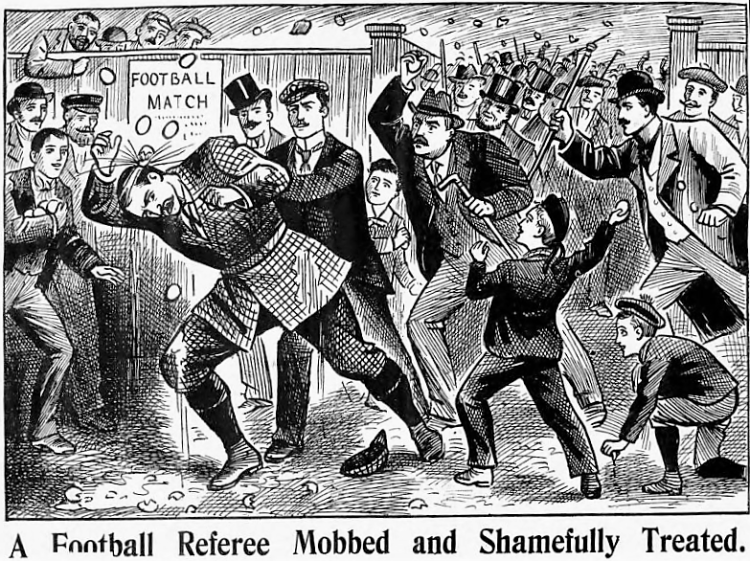
UK, 1935—used to express disagreement with the referee during a soccer match—alludes to the white walking stick carried by a blind person
Read More
one is experiencing remarkably good fortune; one has everything one could have wished or hoped for—Australia, 1932
Read More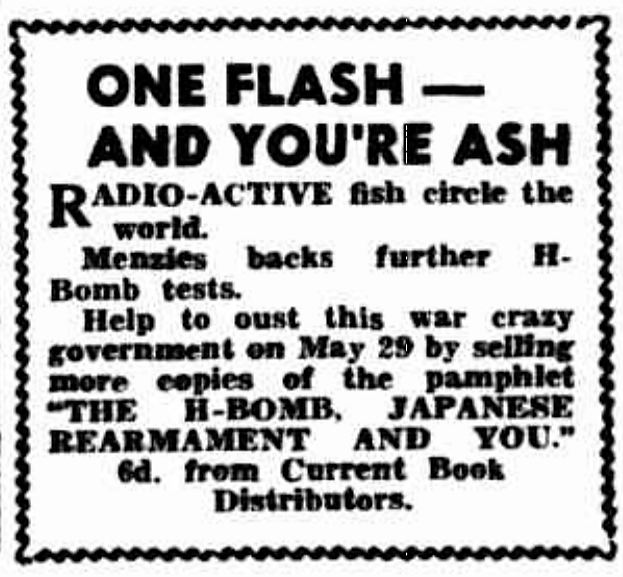
Australia, 1953—slogan used by opponents of nuclear weapons—also used in New Zealand
Read Moremeaning: ‘for a very long time’—UK, 1944—with a pun on ‘Pilate’, originated in the British Royal Air Force during the Second World War
Read More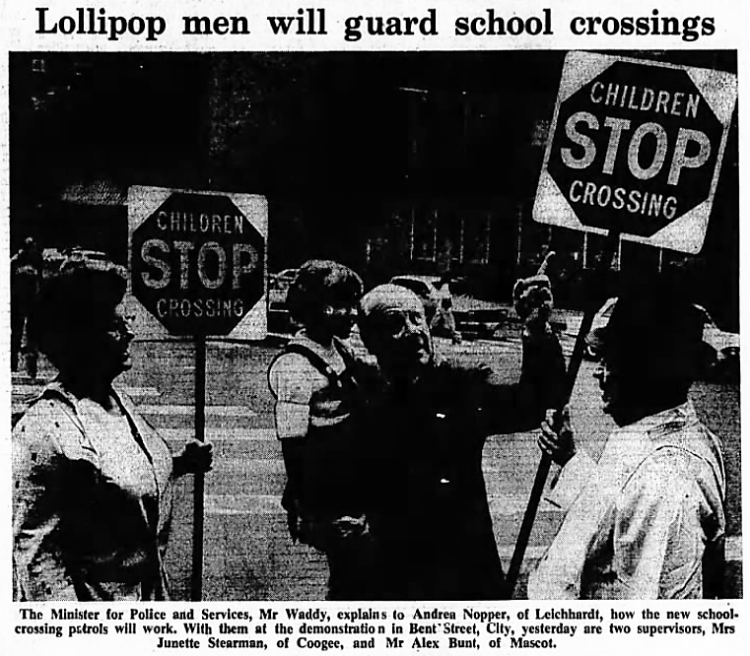
1957—circular sign on a pole held up to stop traffic so that children may cross the road near a school—person who stops traffic by holding up such a sign
Read MoreAmerican English, 1965—signification: to be kept in a state of ignorance and told nonsense—in use a few years later in Australian English and British English
Read MoreUSA, 1984—used to indicate that something is blatantly obvious—humorously from ‘Is the Pope Catholic?’ and ‘Does a bear shit in the woods?’
Read More
USA, 1951—rhetorical question used ironically as a response to a question or statement felt to be blatantly obvious
Read MoreUSA, 1944—sarcastic remark used in exasperation at an impatient motorist who persistently toots their horn—likens the motorist to a child in a toy car
Read More
