meaning and origin of the phrase ‘not to know — from a bar of soap’
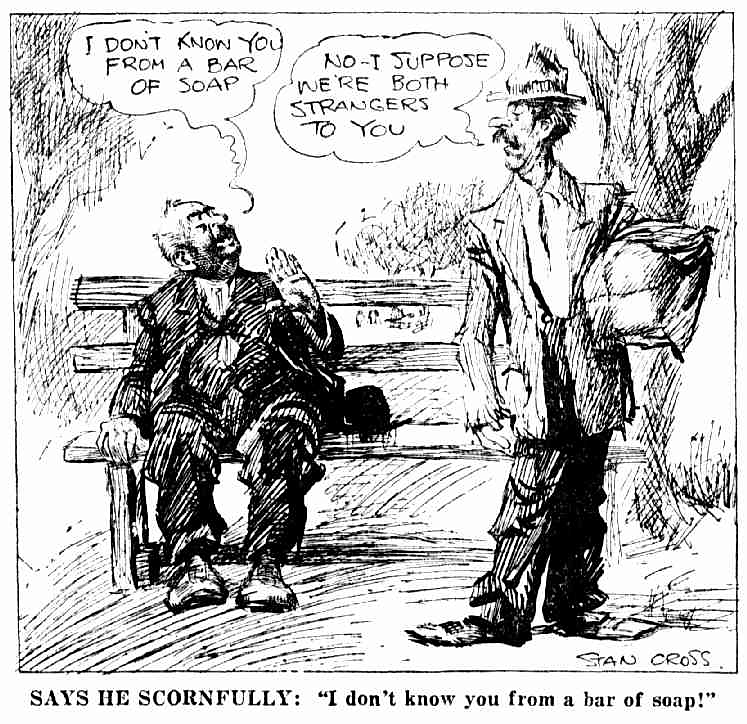
to be completely unacquainted with someone or something—most earliest uses (late 19th century) in U.S. publications, but a few in Australian publications
Read More
“ad fontes!”
to be completely unacquainted with someone or something—most earliest uses (late 19th century) in U.S. publications, but a few in Australian publications
Read More
1950—used of a substance causing death or illness, and by extension of something powerful or disastrous—refers to red kelpie sheep dogs, who can ingest anything
Read More
20th century—originally a precautionary stipulation in announcements of events such as church fêtes—hence used humorously of any forthcoming event
Read More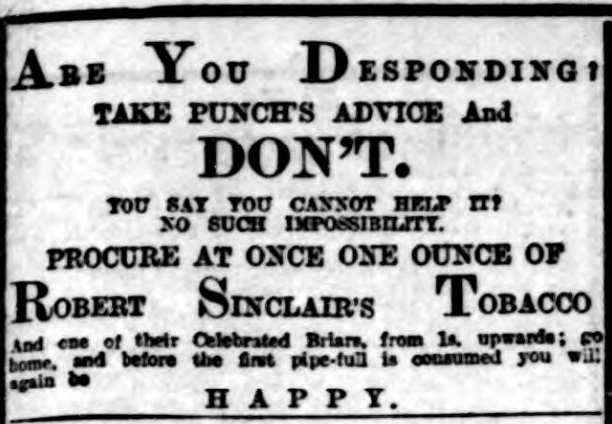
from “advice to persons about to marry—don’t”, published in ‘Punch’s Almanack for 1845’ (24 December 1844) by the magazine ‘Punch, or the London Charivari’
Read MoreAustralia, 1969—used to denote a fast-moving person or situation—alludes to the quickness with which a bride’s nightdress comes off on the wedding night
Read Moreeuphemistic jocular variant of ‘not bloody likely’—UK, 1914—from the sensation caused by the use of the expletive ‘bloody’ in George Bernard Shaw’s ‘Pygmalion’
Read More
1923—from Bernard Pykett’s plea when asking for money after his diving exhibitions—popularised from 1941 onwards by the BBC radio comedy programme It’s That Man Again
Read More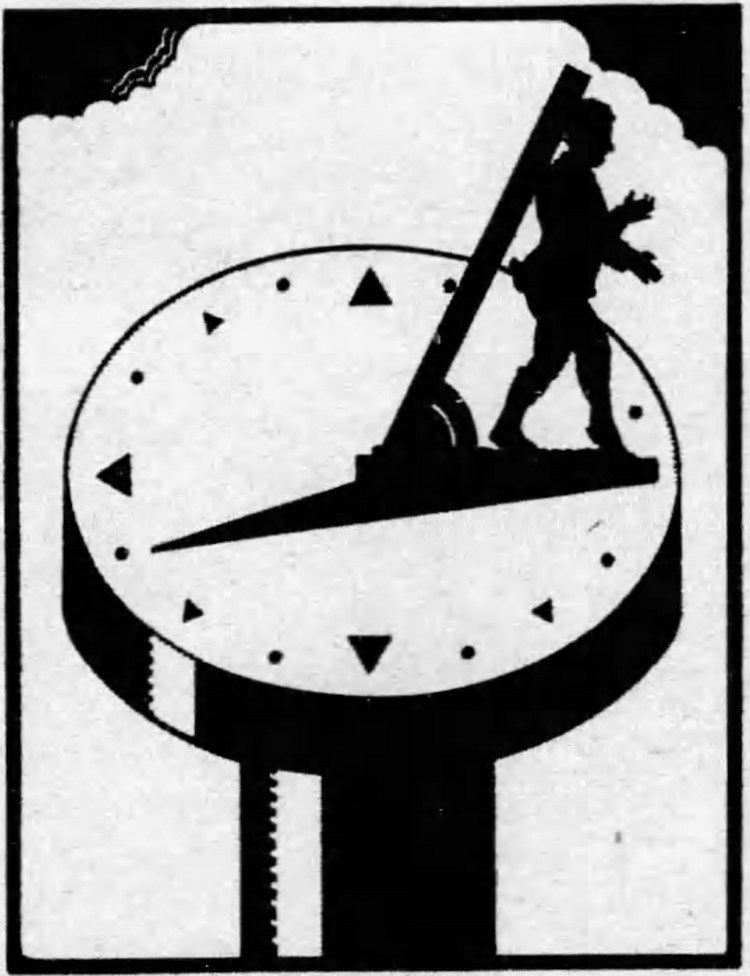
used as a jocular reply by a person who does not have a watch, when asked what the time is—also ‘half past a freckle’, ‘according to the hairs on my wrist’
Read More
USA—from 1848 onwards in contrast to ‘all men are equal’—now often alludes to ‘but some animals are more equal than others’ in Orwell’s Animal Farm (1945)
Read More
Australia and New Zealand 1913—alludes to horse racing, in which a horse wins a race by being the first to pass the finishing post
Read More
